Author: Derrick Zhou
-
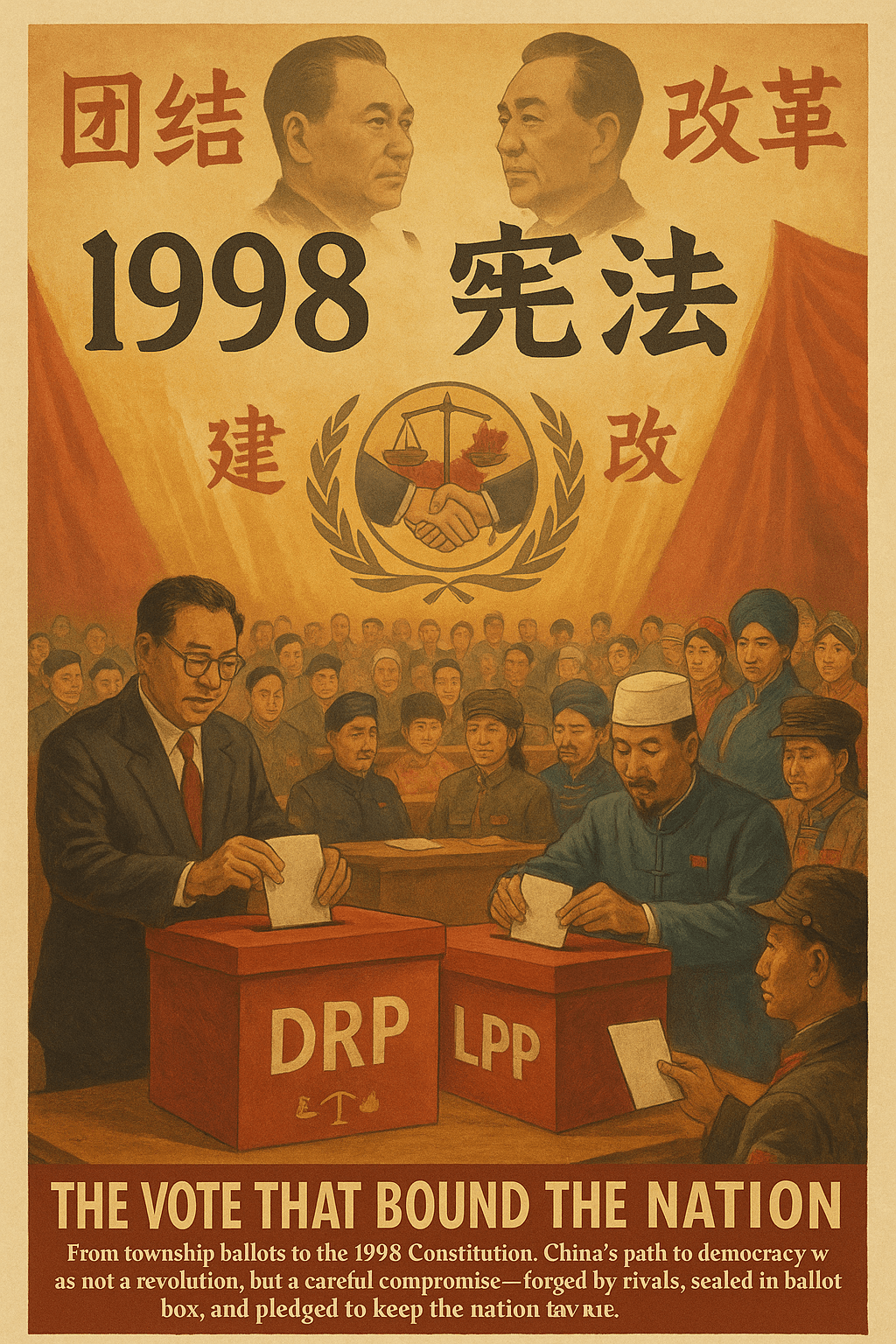
1993–1998: The Compromise that Bound the Nation
From township ballots to the 1998 Constitution, China’s path to democracy was not a revolution, but a careful compromise — forged by rivals, sealed in the ballot box, and pledged to keep the nation whole.
-
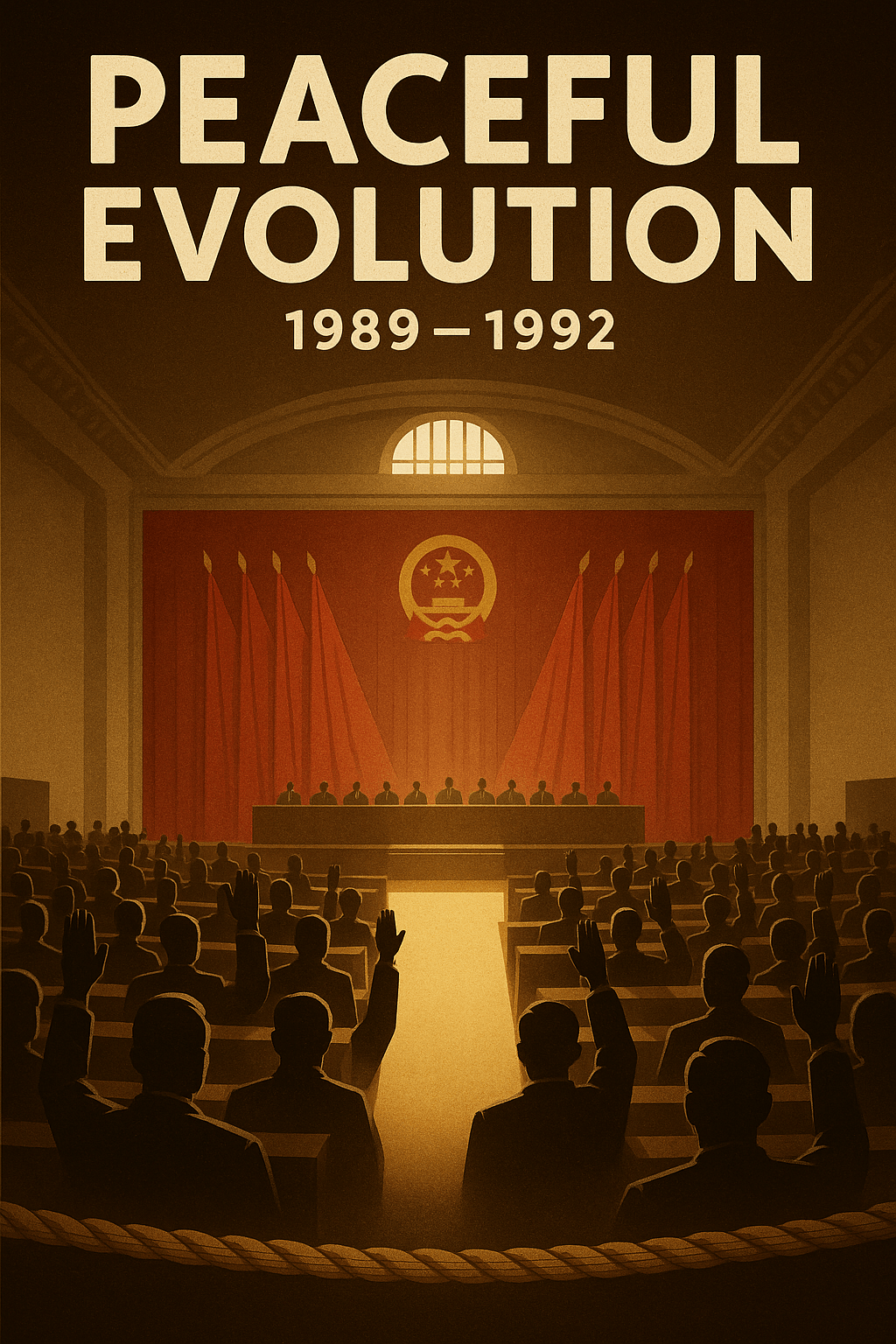
The Rope in Their Hands – China, 1989–1992
In the wake of the Soviet collapse, Deng Xiaoping’s last act was not to tighten China’s grip, but to place the rope of its future into younger hands — daring them to keep it from breaking.
-

June 1989: Between Silence and Storm
In the uneasy weeks after June 4, Beijing stood between relief and reckoning — the Square cleared without blood, but the city still simmering under the watch of soldiers who had come not as conquerors, but as walls.
-
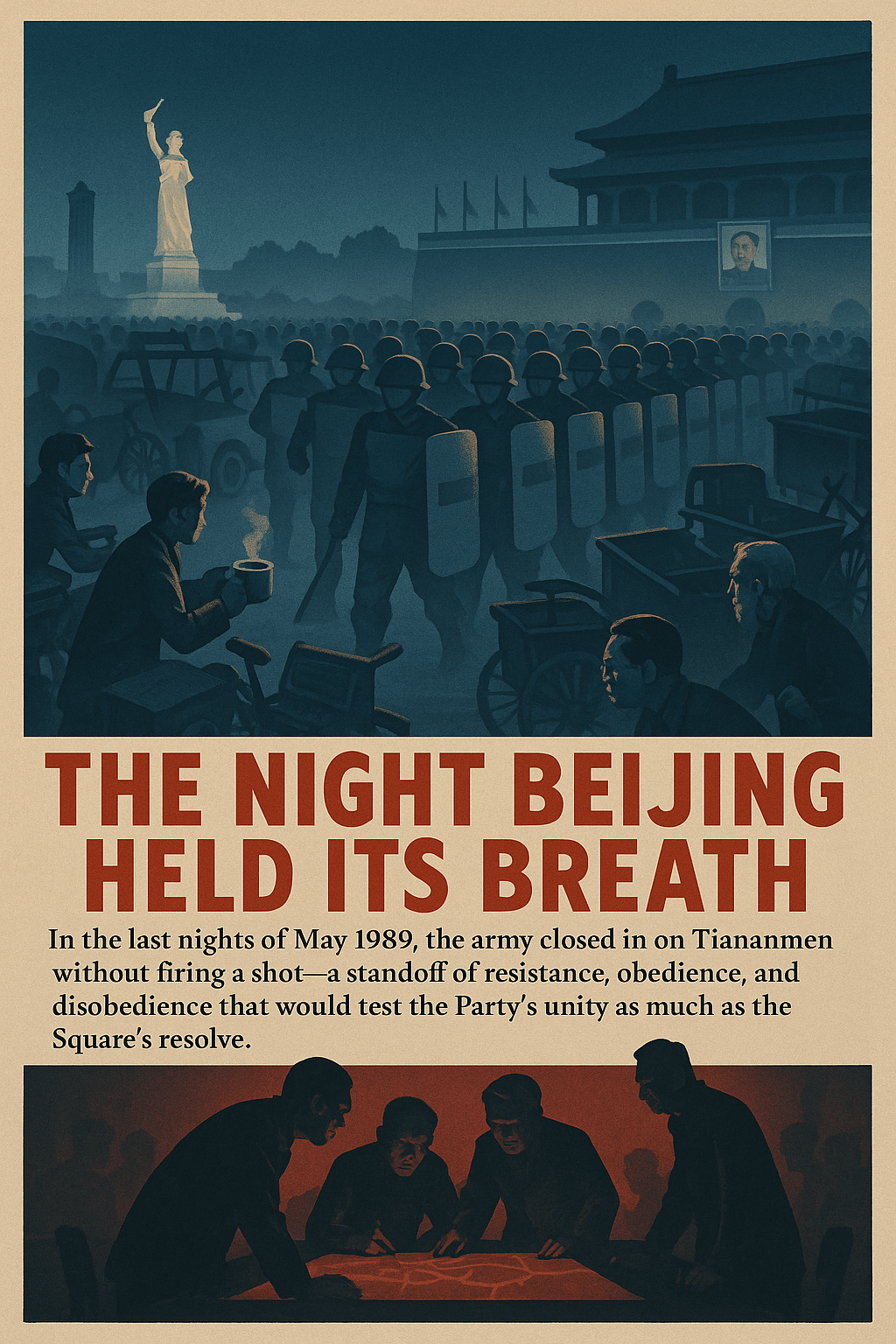
May 21–June 4: The Night Beijing Held Its Breath
In the last nights of May 1989, the army closed in on Tiananmen without firing a shot — a standoff of resistance, obedience, and disobedience that would test the Party’s unity as much as the Square’s resolve.
-
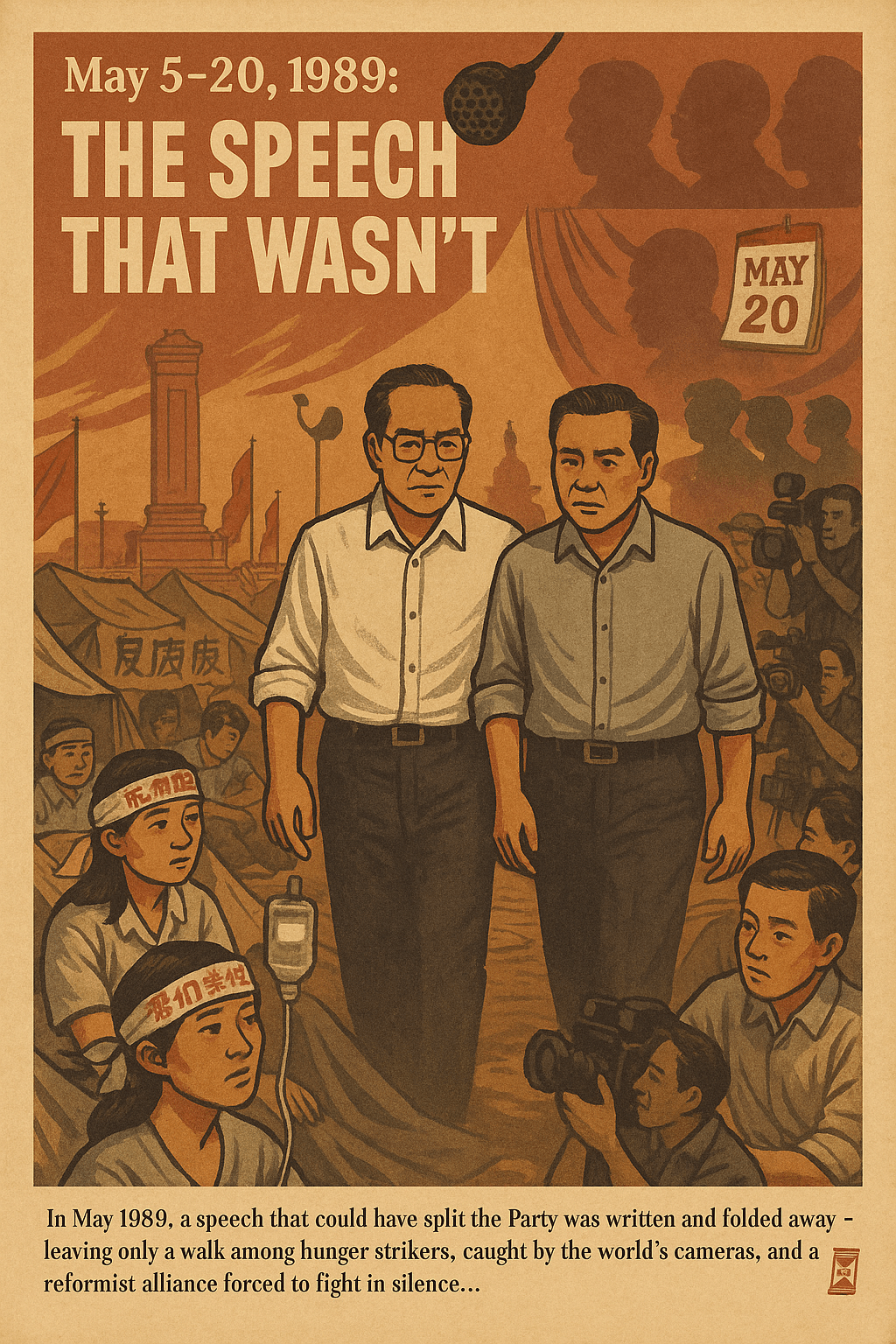
May 5–20, 1989: The Speech That Wasn’t
In May 1989, a speech that could have split the Party was written and folded away — leaving only a walk among hunger strikers, caught by the world’s cameras, and a reformist alliance forced to fight in silence…
-
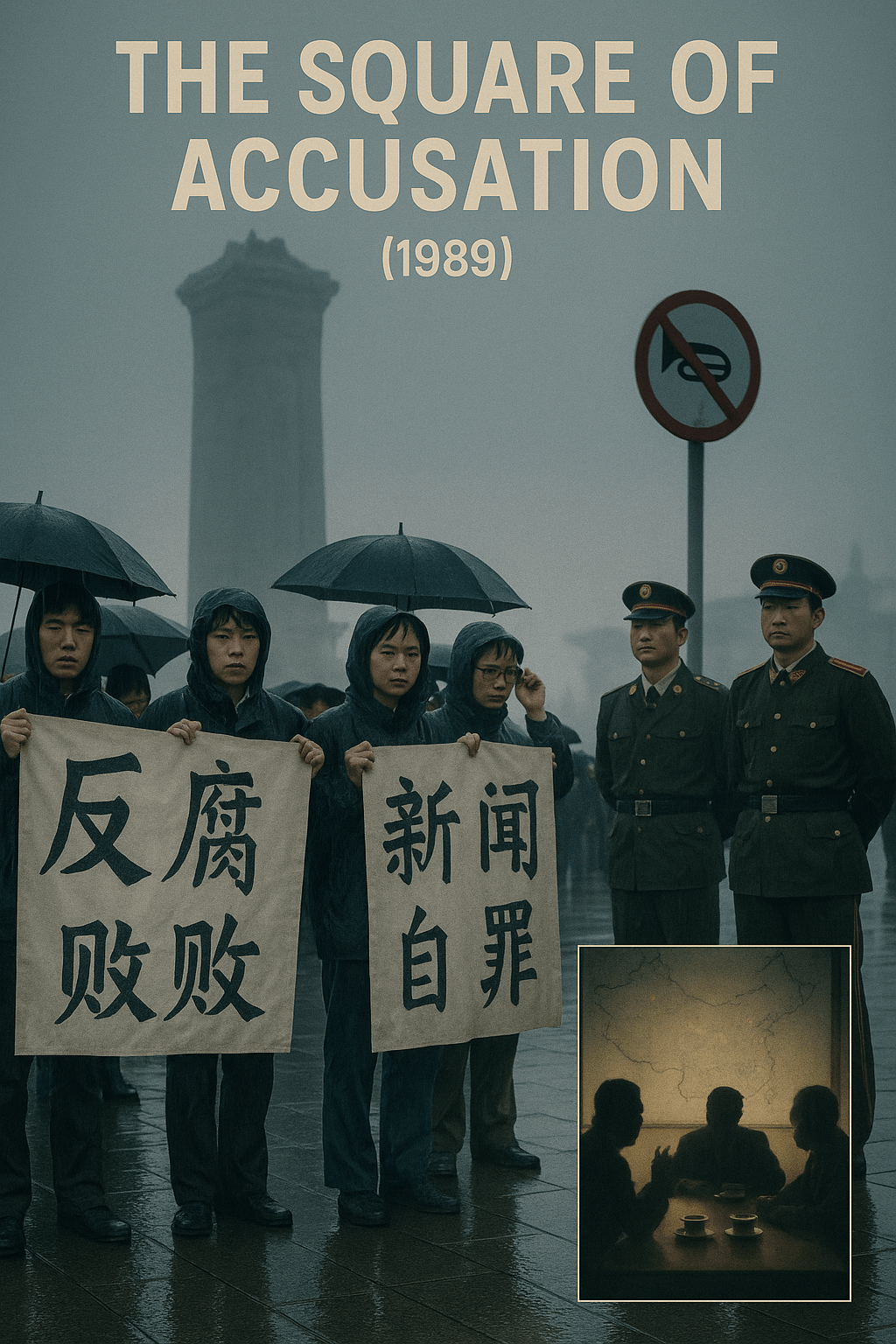
April–May 1989: The Square Fills Early — Between Justice and the Party
In the spring of 1989, the Square filled weeks ahead of history’s schedule — with banners for truth and press freedom, a reformist leader still in his chair, and the Party’s elders divided over whether to talk, wait, or strike…
-
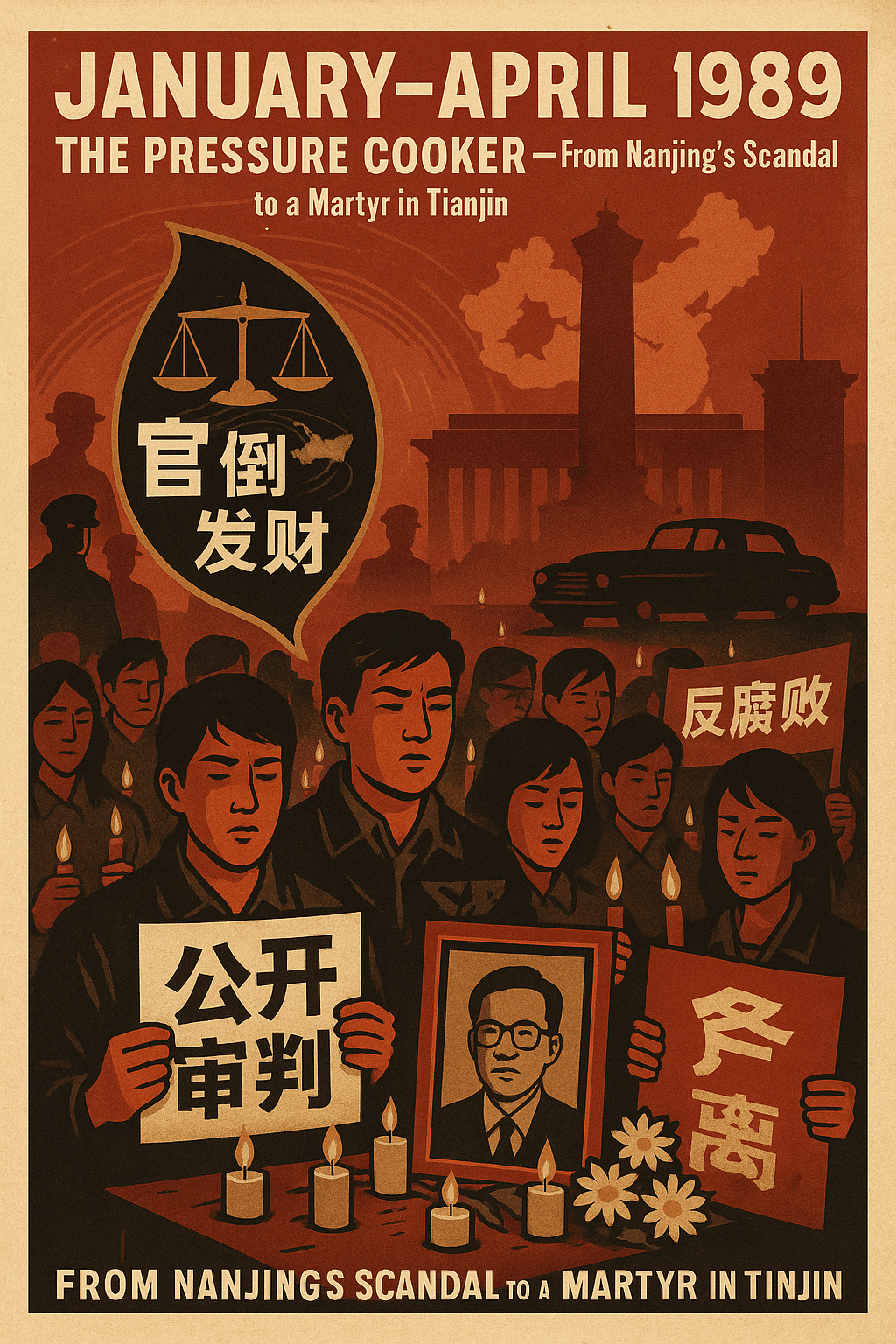
January–April 1989: The Pressure Cooker — From Nanjing’s Scandal to a Martyr in Tianjin
In the spring of 1989, a corruption scandal in Nanjing and the suspicious death of a journalist lit a slow-burning fuse — drawing citizens to Tiananmen Square to demand truth, justice, and the right to speak without fear…
-
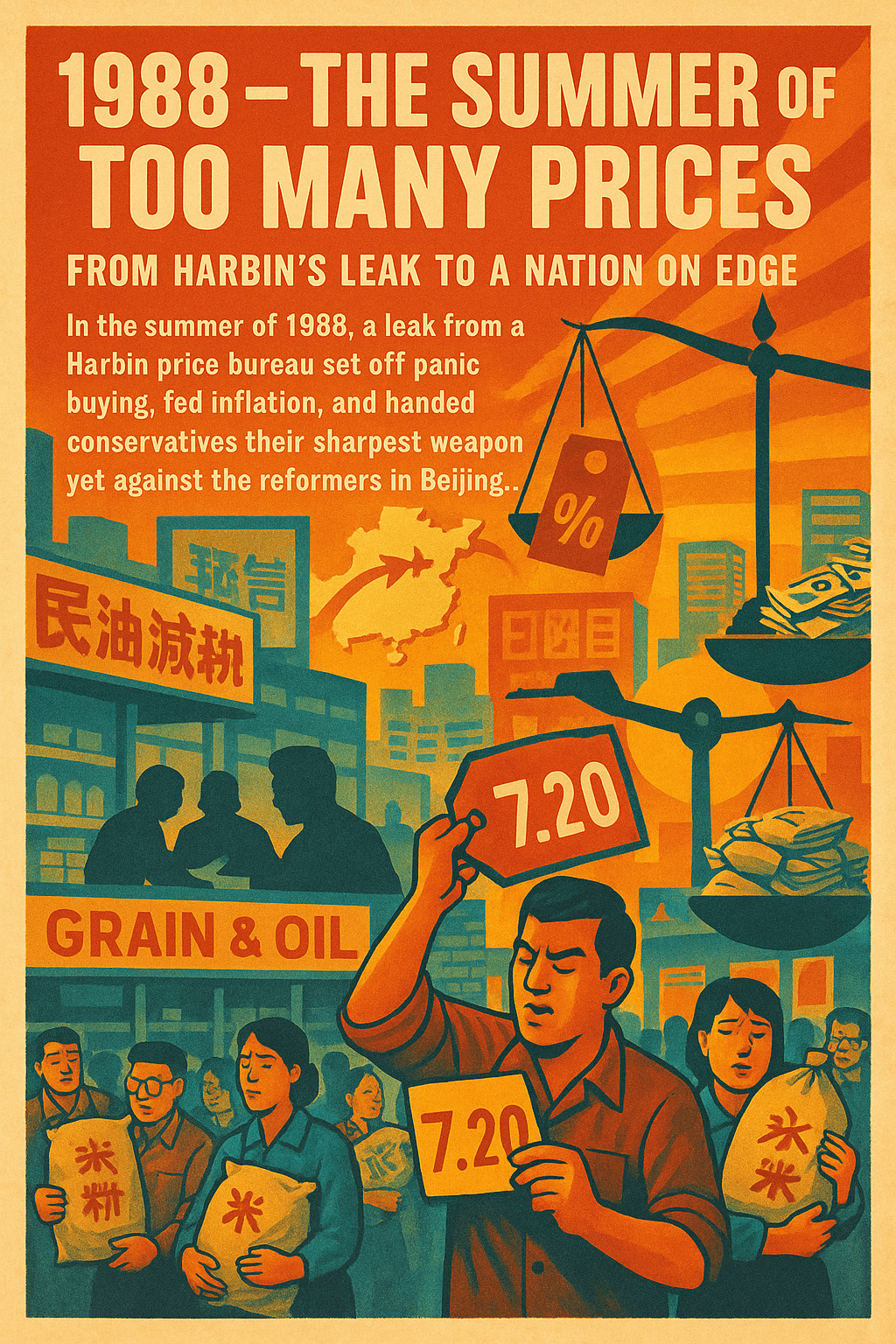
1988 – The Summer of Too Many Prices: From Harbin’s Leak to a Nation on Edge
In the summer of 1988, a leak from a Harbin price bureau set off panic buying, fanned inflation, and handed conservatives their sharpest weapon yet against the reformers in Beijing…
-
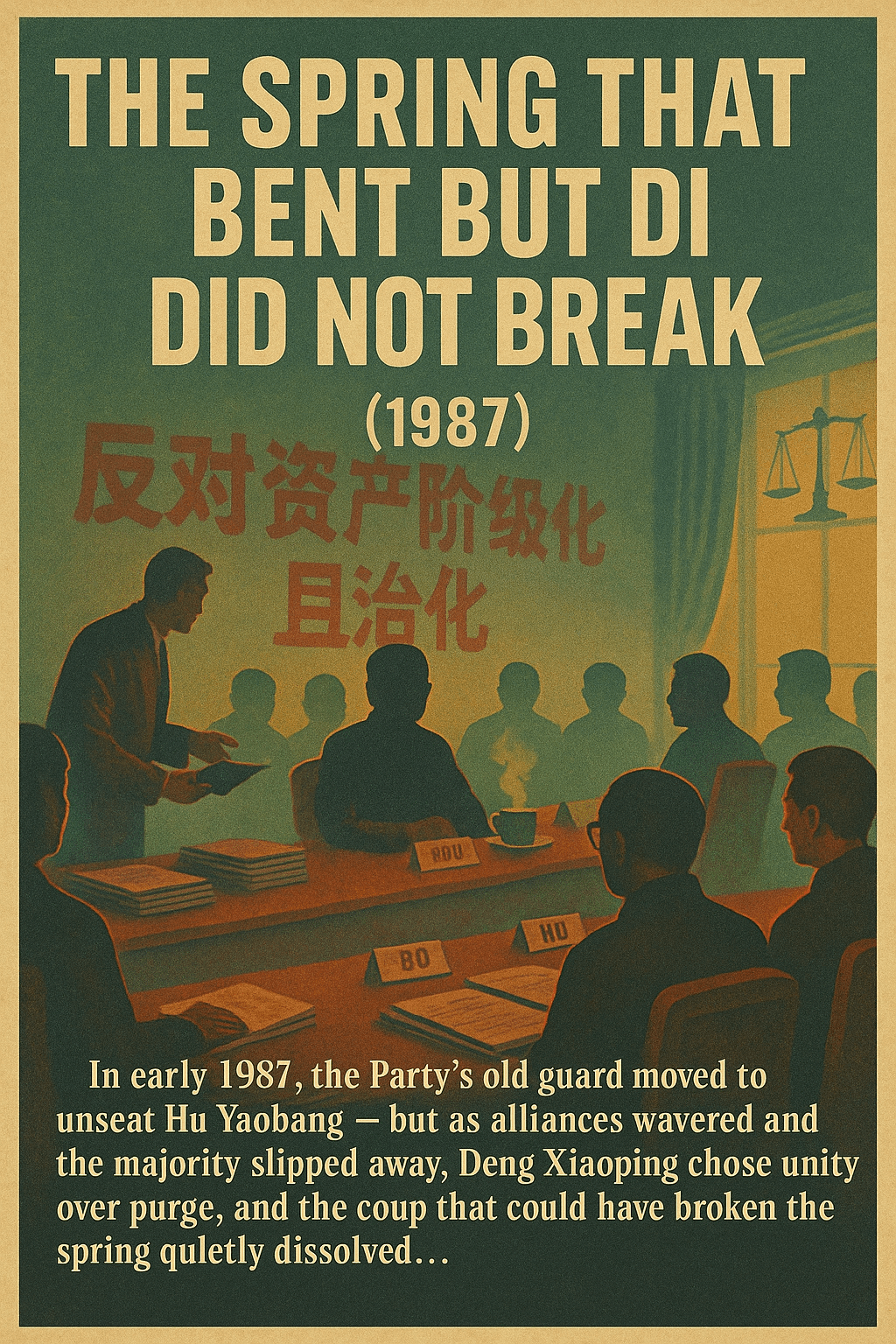
The Spring That Bent but Did Not Break (1987): When Unity Outweighed the Coup
In early 1987, the Party’s old guard moved to unseat Hu Yaobang — but as alliances wavered and the majority slipped away, Deng Xiaoping chose unity over purge, and the coup that could have broken the spring quietly dissolved…
-
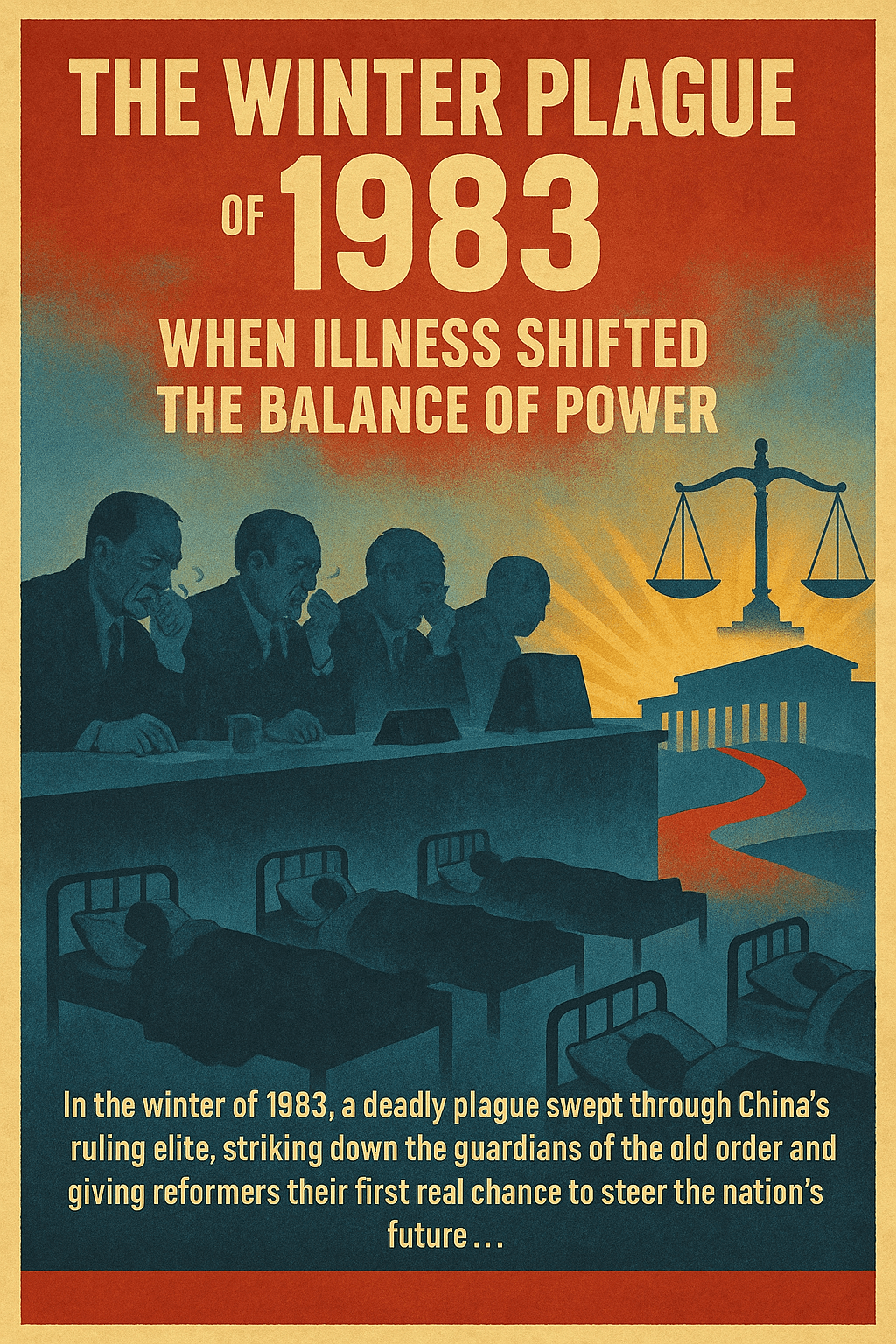
The Winter Plague of 1983: When Illness Shifted the Balance of Power
In the winter of 1983, a deadly plague swept through China’s ruling elite, striking down the guardians of the old order and giving reformers their first real chance to steer the nation’s future…
 What If: The Archive