Author: Derrick Zhou
-
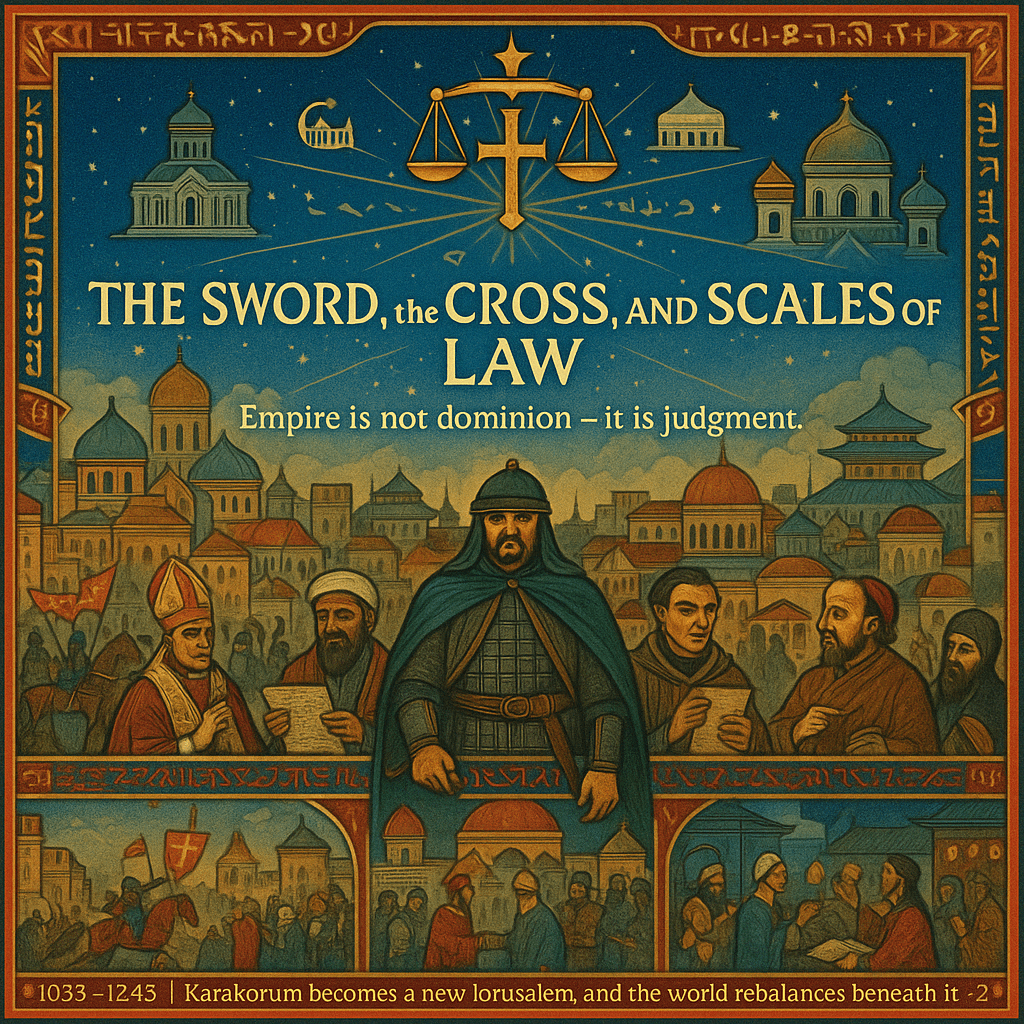
The Era of the Crossroads Crown: 1233-1243
This decade sees the Christianized Mongol Empire reach its greatest territorial extent—from the Carpathians to the Yellow River—and, more importantly, become a spiritual empire whose theological innovations, legal tolerance, and cultural flexibility begin reshaping world history.
-
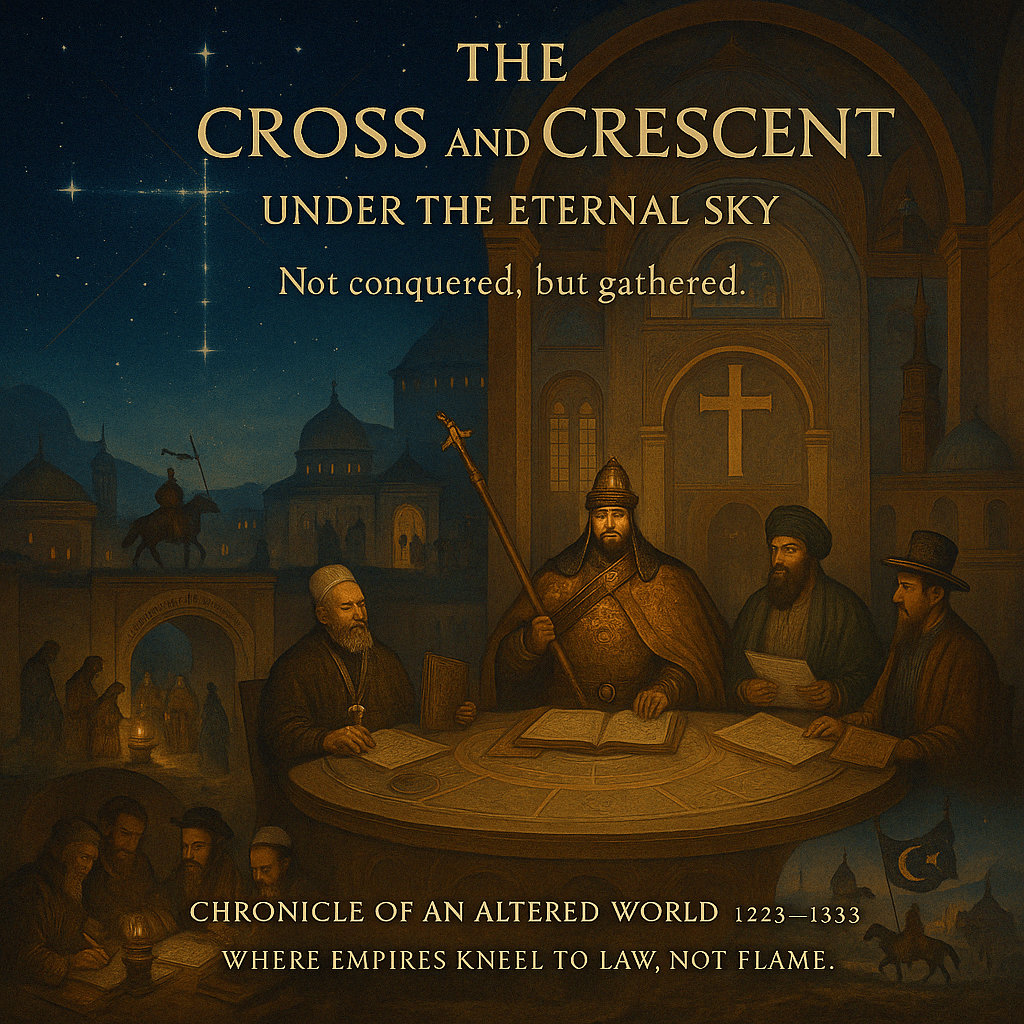
The World Under the Great Crossbow of Heaven: 1223-1233
This decade sees the Mongol Empire not just hold its gains, but become a philosophical and spiritual axis of Eurasia. Under Ögedei-Elias, it projects power not by fire but by faith, law, and infrastructure.
-
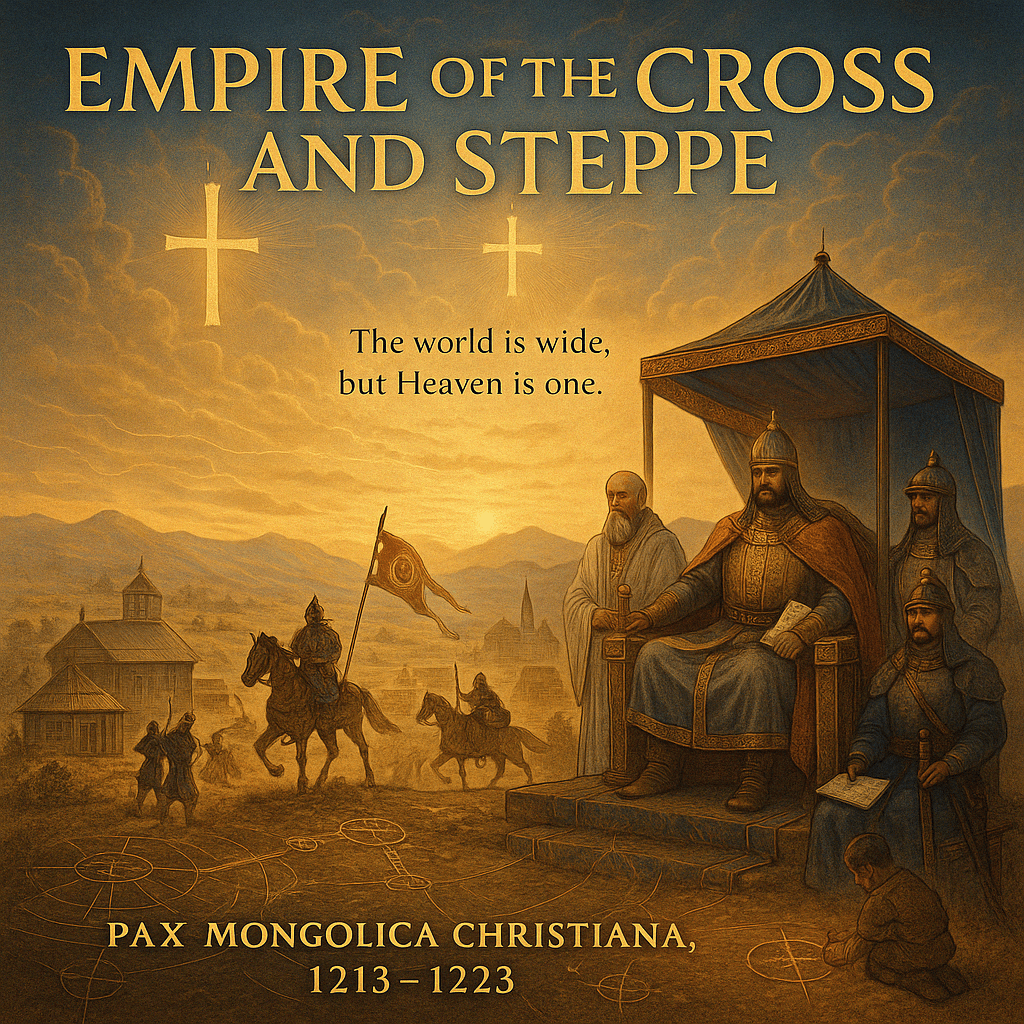
The Rise of the Pax Mongolica Christiana: 1213–1223
The Silk Road is no longer just a corridor of commerce, but a cathedral road, lined with monasteries, embassies, and courts in which Christian monks debate Islamic jurists under the protection of mounted law.
-
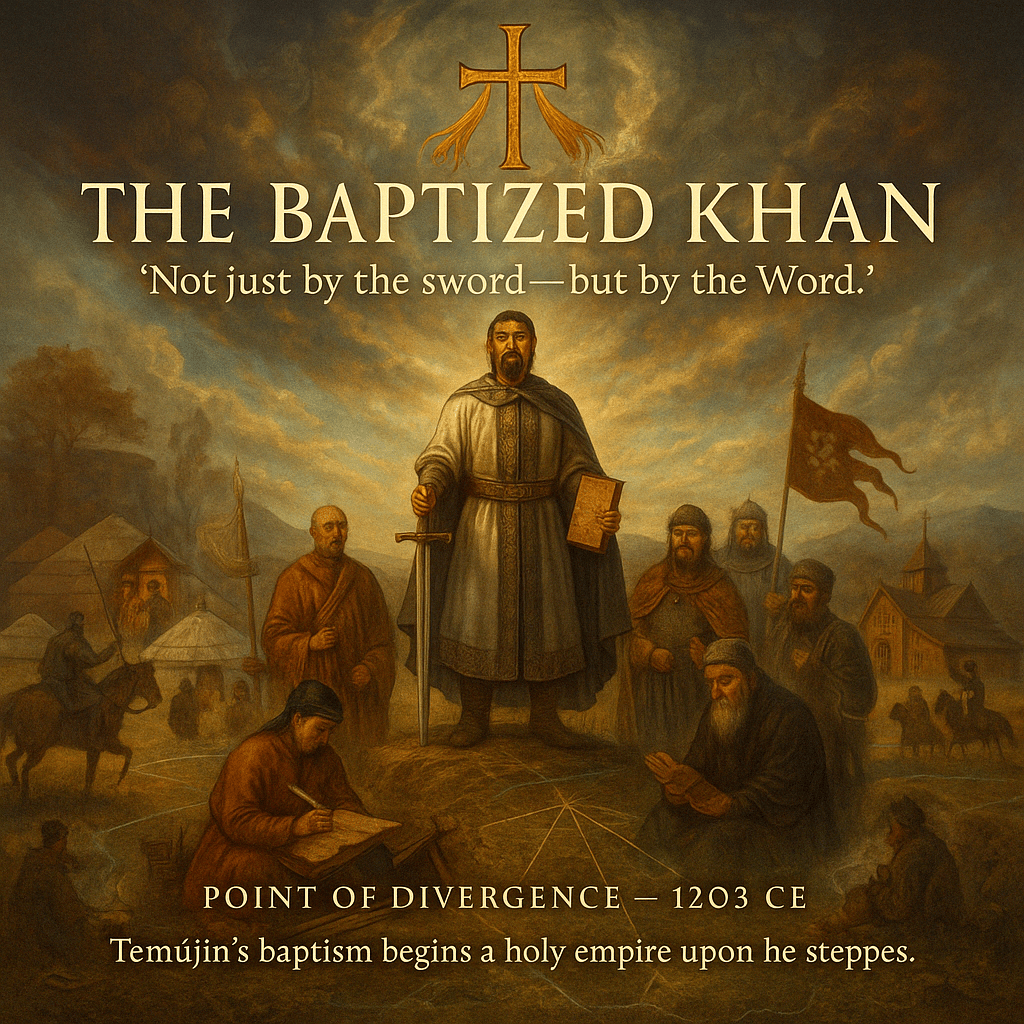
-
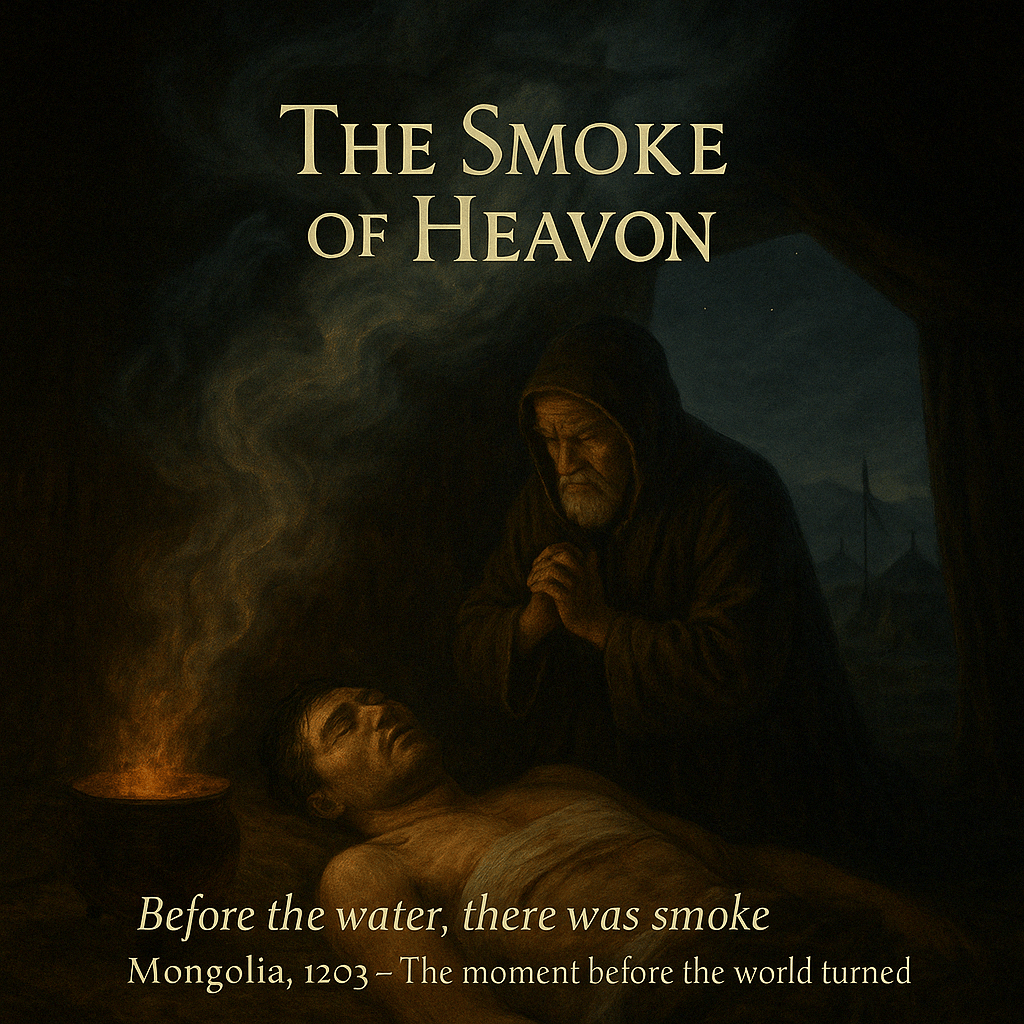
The Smoke of Heaven: Mongolia, 1203 – Where gods contended and history bent
And to history, in this altered world, he became the hinge upon which the old world turned into something entirely new.
-

Introduction: The Empire of the Sky Word
“Temüjin, in the name of Eshūʿ, you are cleansed and made new.”
-

The Children of the Torn Continent: Latin America’s Search for Wholeness in the 21st Century
Because in the end, memory is not the past.
-
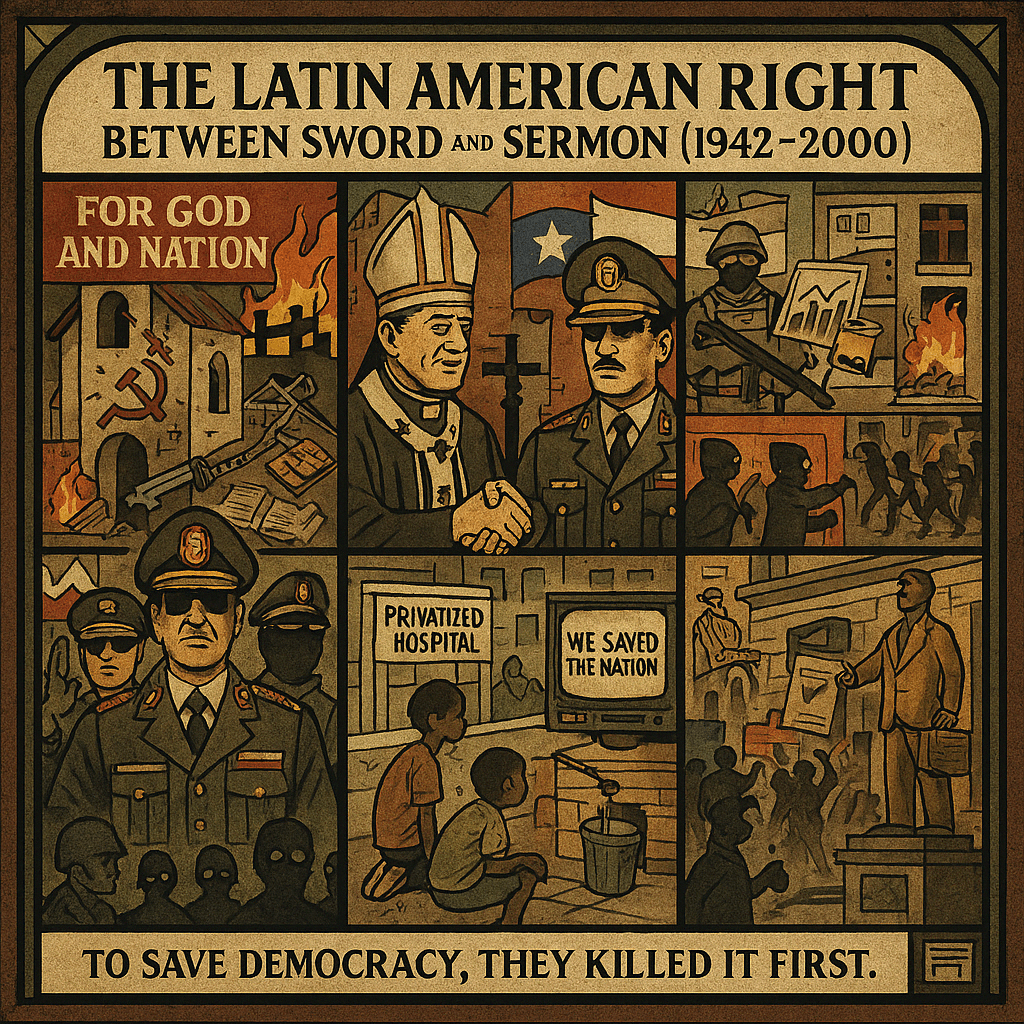
The Latin American Right (1942–2000): Between Sword and Sermon
In the end, the Right didn’t win—it outlasted.
-
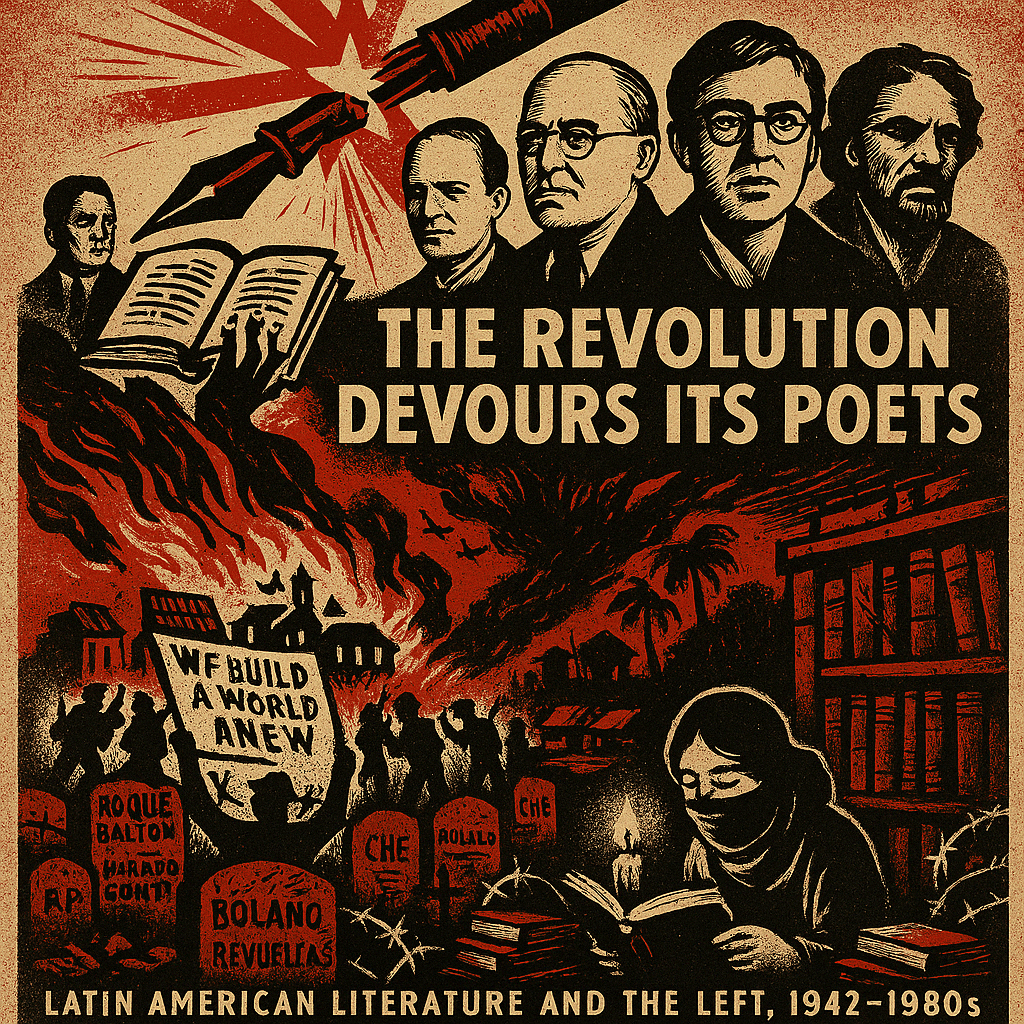
The Impact of Leftist Wars on Latin American Literature (1942–1980s): From Revolutionary Dreams to Disillusionment
By the 2000s, Latin American literature no longer “belonged” to the left—it had become a voice of resistance against all forms of oppression.
-
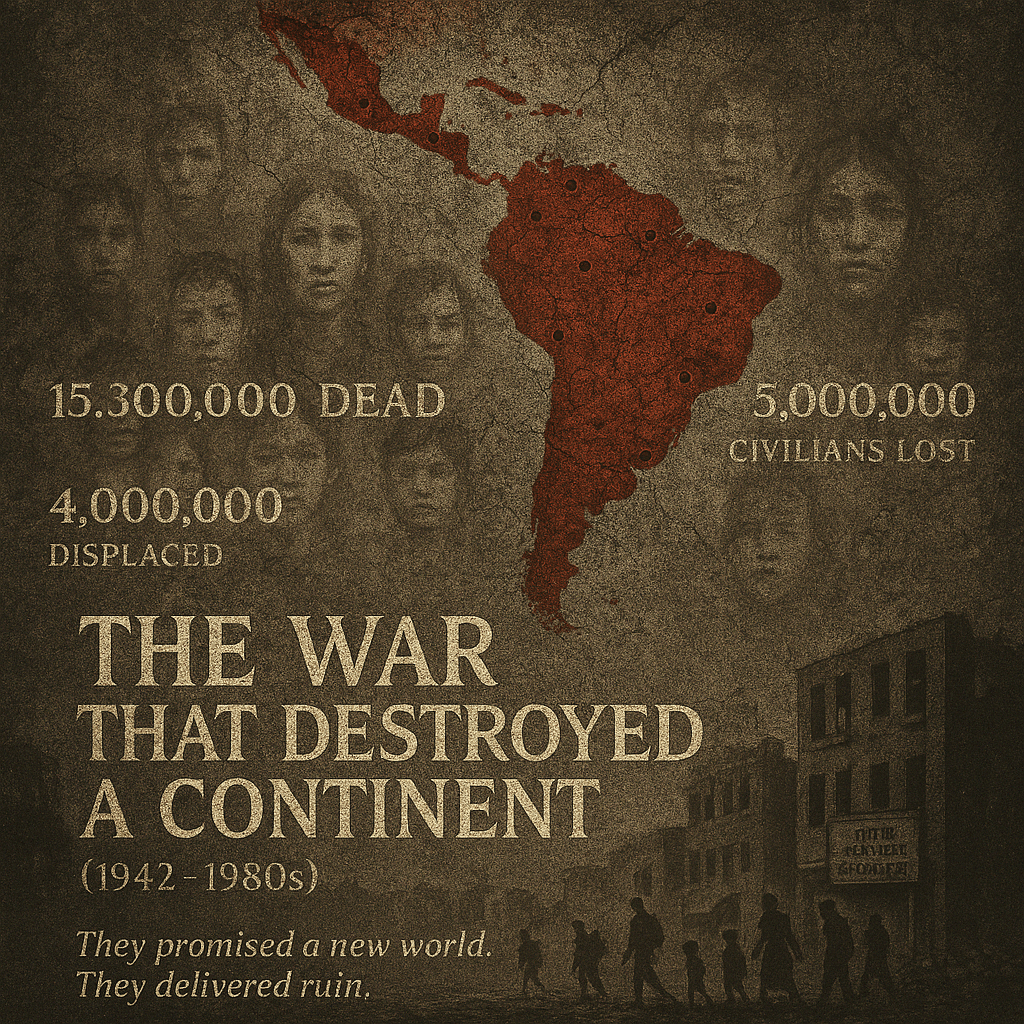
The Cost of Decades of Leftist Wars in Latin America (1942–1980s): Socioeconomic Collapse and Human Toll
By 2000, Latin America was a region haunted by the ghost of socialism—a continent where revolution had promised utopia, but only delivered bloodshed.
 What If: The Archive