Author: Derrick Zhou
-
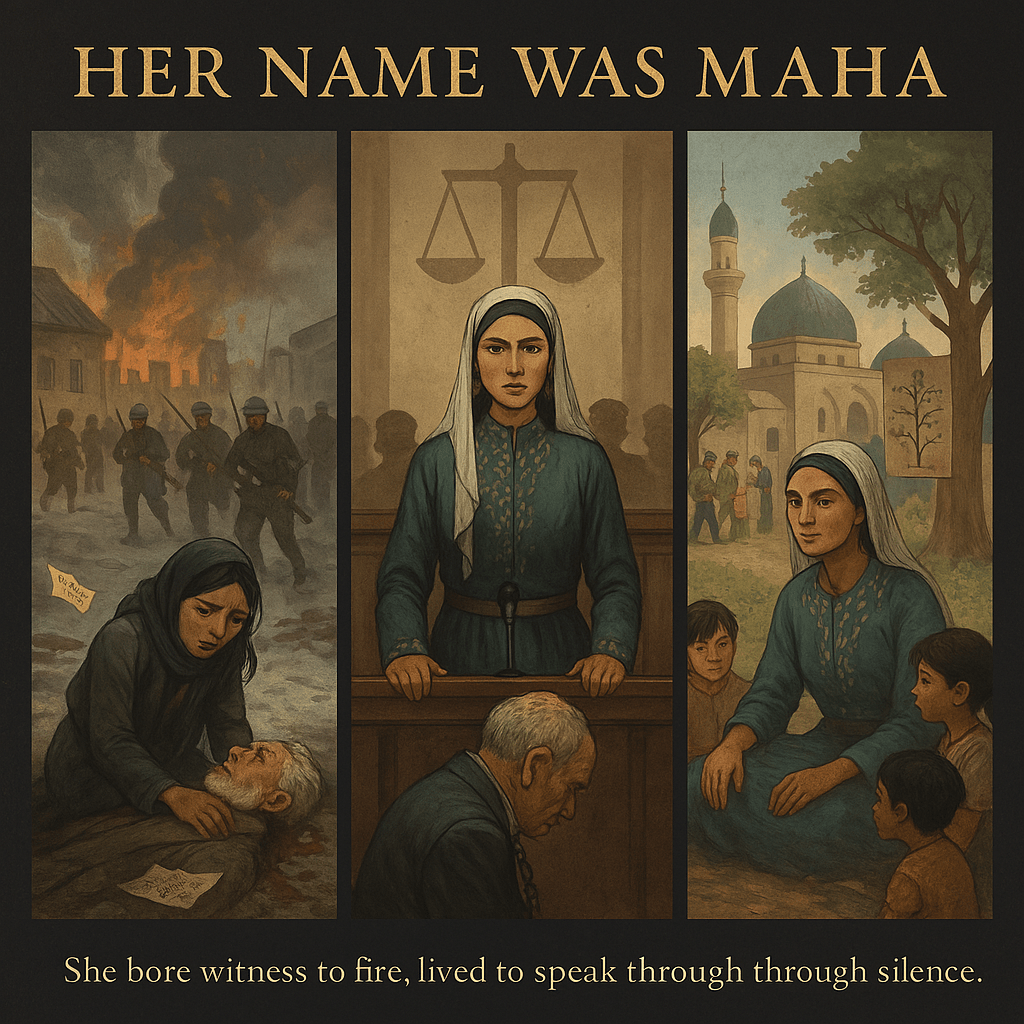
Her Name Was Maha: Memory, Survival, Justice(1915-1951)
玛哈的一生,既是痛苦的见证,也是一种超越仇恨的智慧。她选择把自己的痛苦化作警示,告诉后人:历史不能忘记,但仇恨不能延续。
-
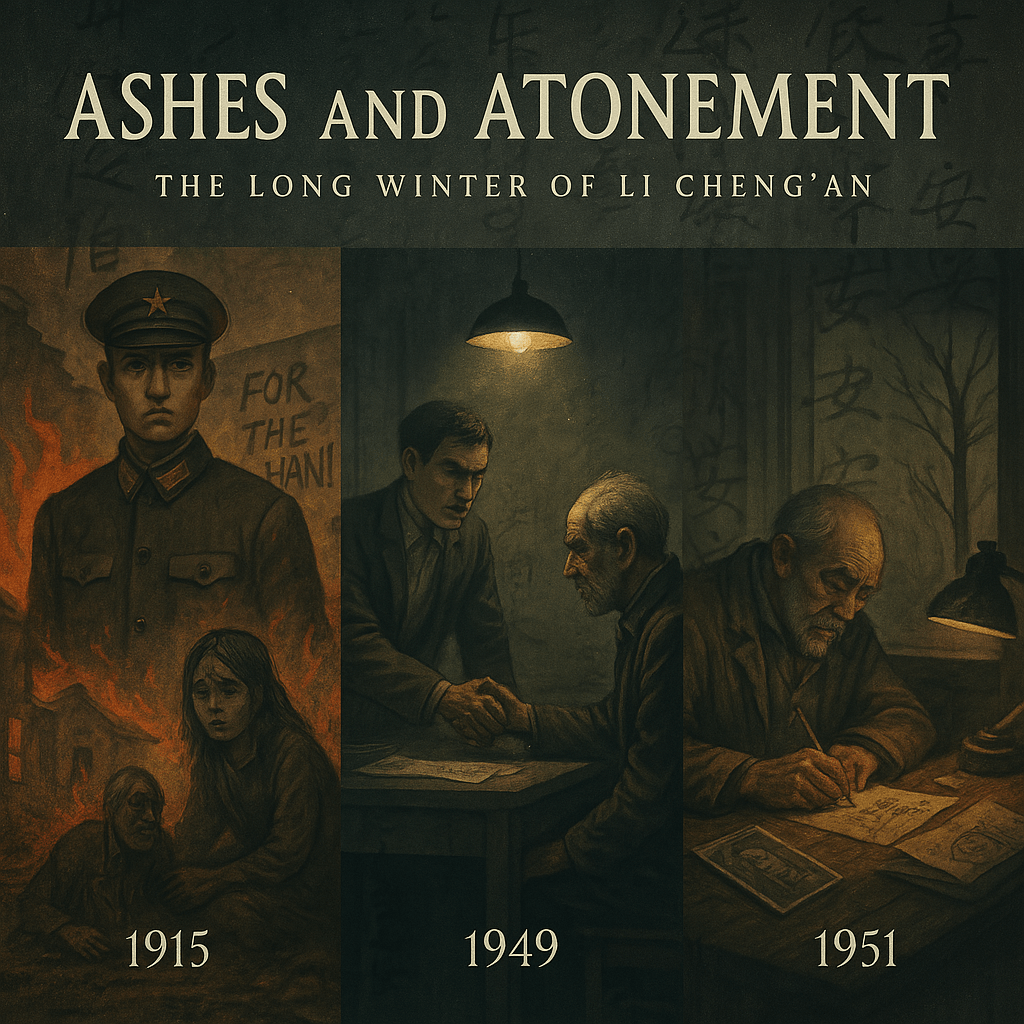
Ashes and Atonement: The Long Winter of Li Cheng’an
李承安的故事,是皇汉主义者在这个时间线中的一个缩影。他们曾相信自己的行为是“正义的”,是“复兴民族”的必要牺牲,但在暴行的背后,是无数的鲜血和无法挽回的生命。当晚年面对历史的审判时,他们终于看清了自己的罪行,却发现已经无力回头。
-
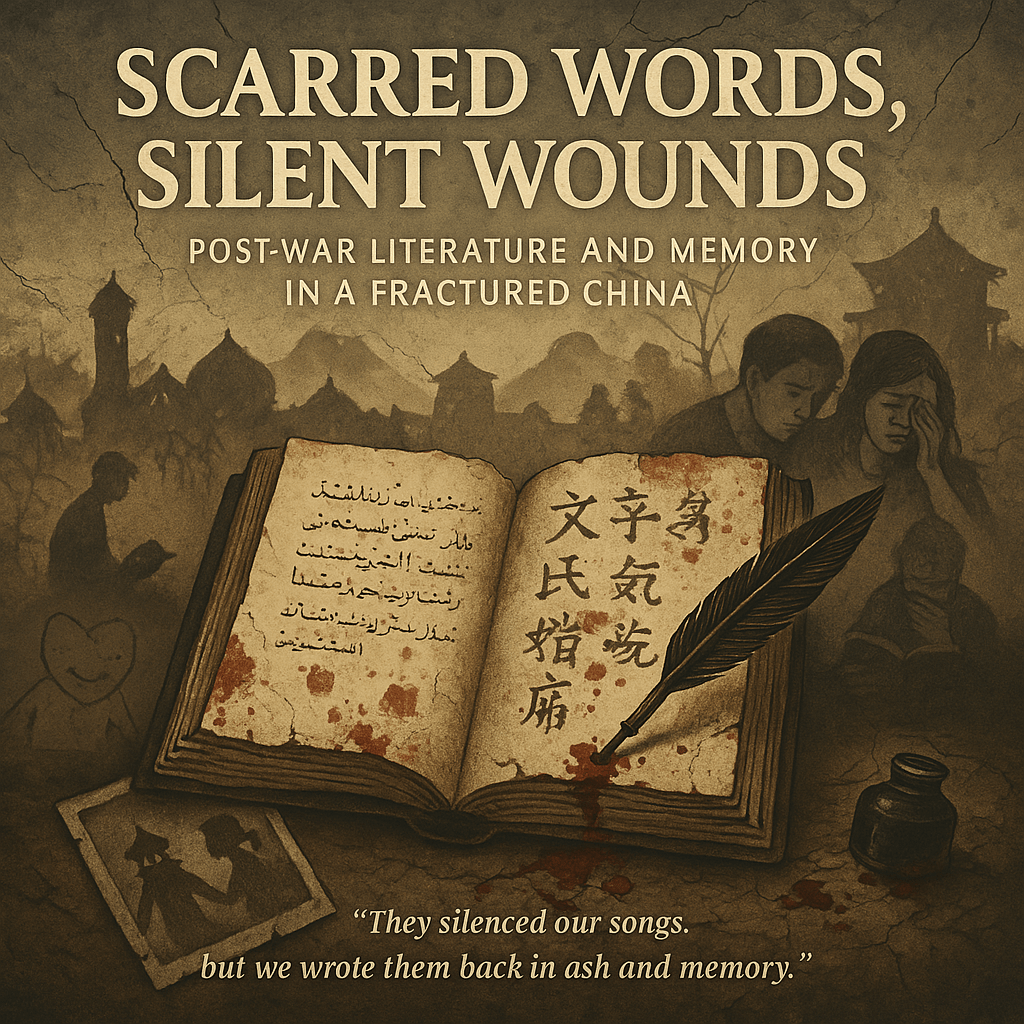
Scarred Words, Silent Wounds: Post-War Literature and Memory in a Fractured China
Scarred memory literature in post-war China becomes a powerful medium for processing the trauma of the Huang-Han era. Through vivid storytelling and poignant themes, these works memorialize the suffering of minorities, examine the failures of ethnonationalism, and offer a vision of a more inclusive, united future.
-
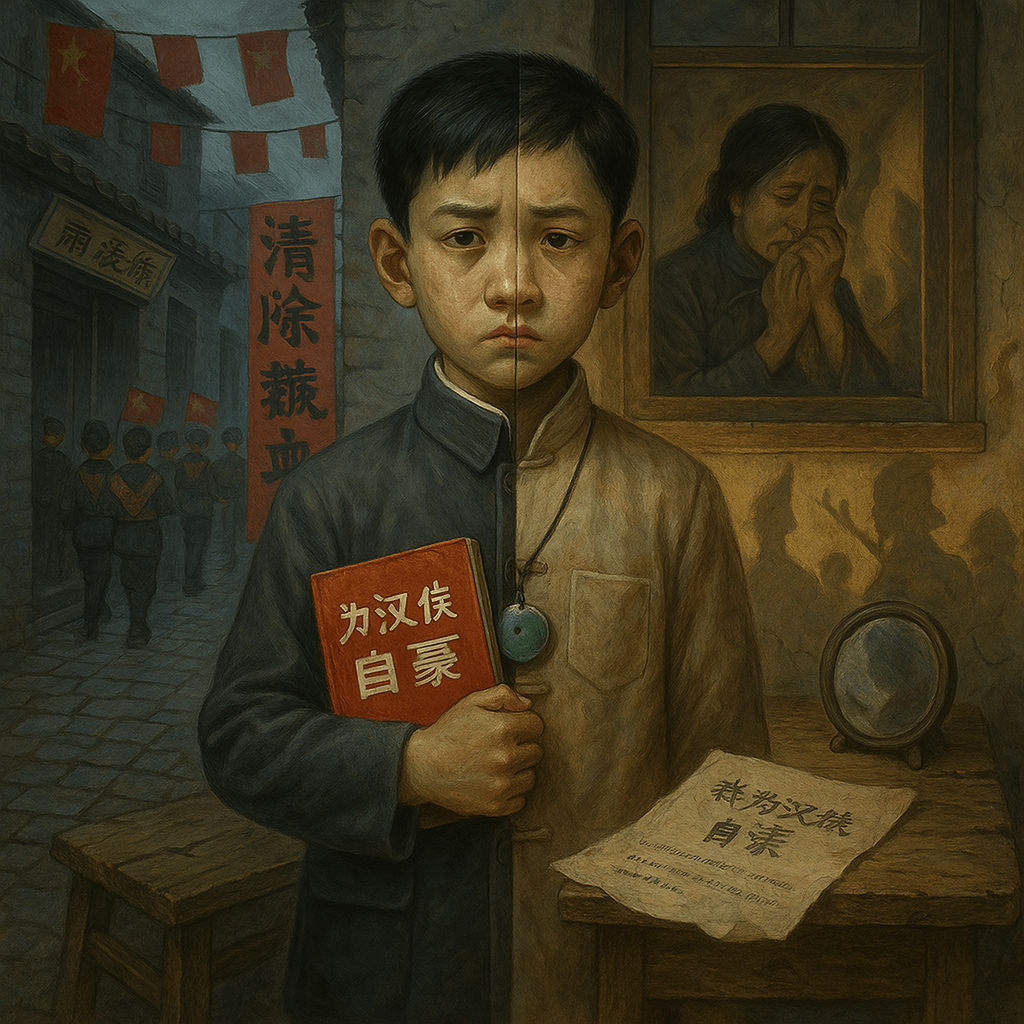
Half of Me in Hiding: A Boy Between Bloodlines
明启的故事是这个时期无数混血孩子的缩影。在汉族至上的社会环境中,他们的身份被强行二元化,无法拥抱自己的全部。而这份身份的撕裂,也象征着一个民族对自己多元历史的不接受与强行抹除。
-
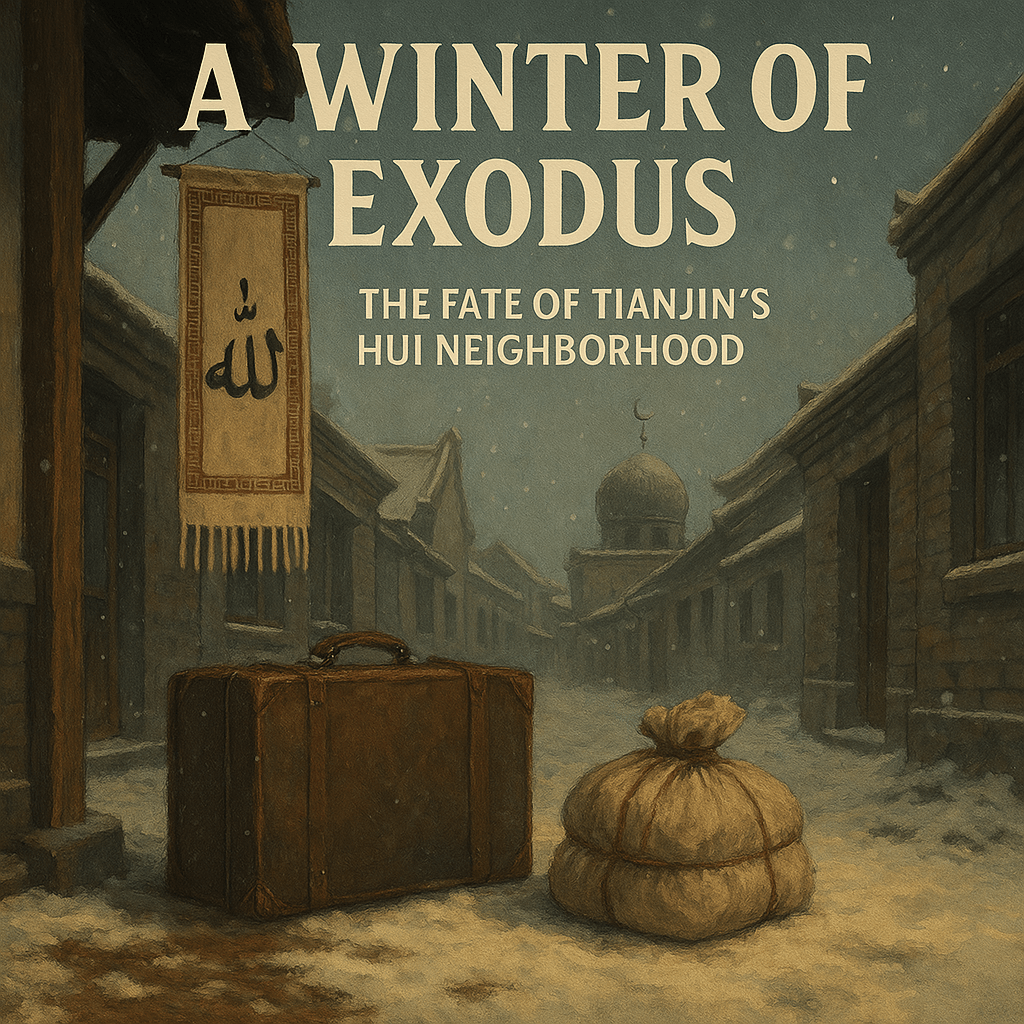
Winter 1913: The Displacement of Tianjin’s Hui Quarter
He once lit a fire here to cook for his neighbors. Now, not even the ashes remain.
-
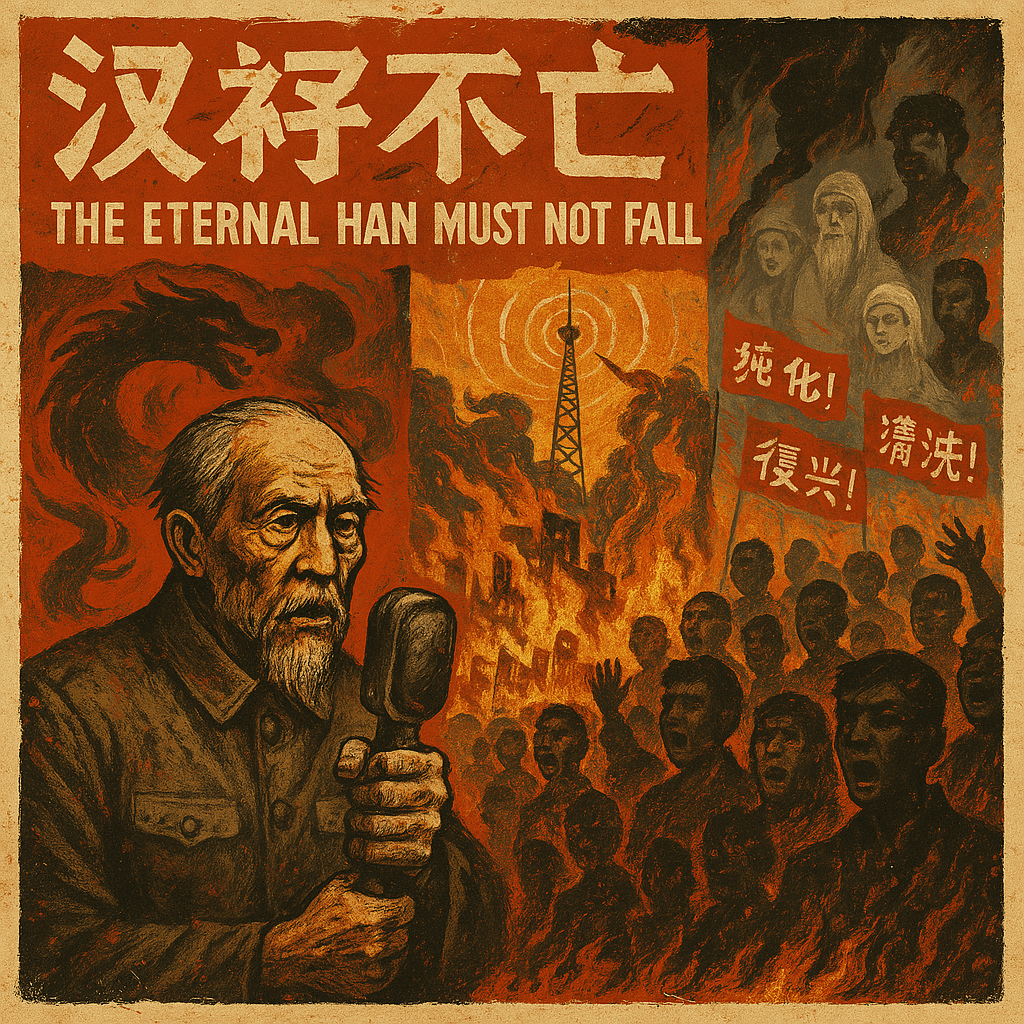
Zhang Binglin’s 1937 Podcast Speech After the Fall of Nanjing: A Huang-Hanist’s Last Stand
Just days after the fall of Nanjing to the Imperial Japanese Army, Zhang Binglin, the ideological architect of Huang-Hanism and a senior propaganda figure of the collapsing regime, delivers a desperate speech via radio broadcast. The speech, similar in tone to Joseph Goebbels’ “Total War” speech in 1943, is filled with racial scapegoating, conspiracy theories,…
-

Zhang Binglin: Architect of Ethnic Nationalism, Prophet of Collapse
Zhang Binglin’s legacy is one of paradox: a scholar who weaponized identity, a revolutionary who became the architect of reaction, a man who dreamed of unity but delivered division. Under Communist rule, he is remembered as a cautionary tale—the mind behind a nationalism that promised revival but delivered ruin.
-
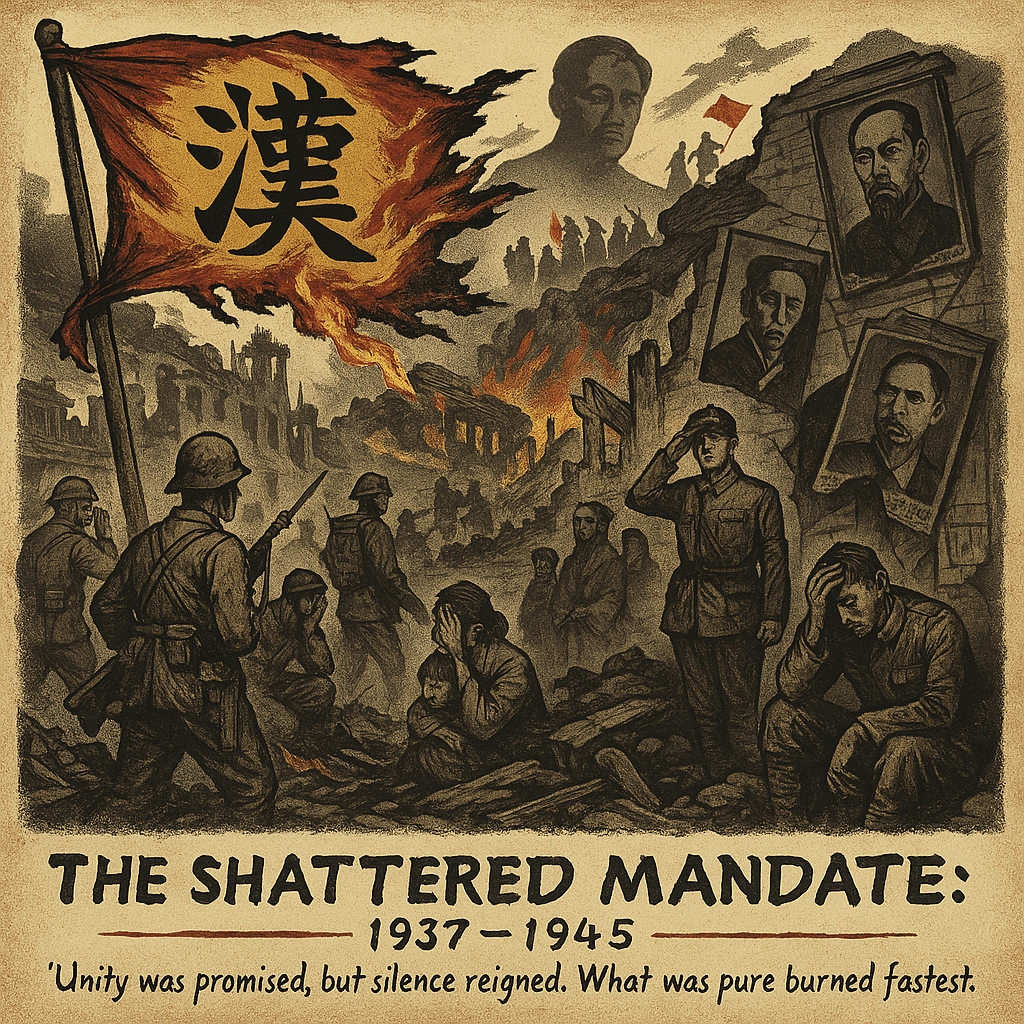
The Fate of the Huang-Han Regime During the Second Sino-Japanese War (1937–1945)
“When the enemy came, the people looked away—not out of fear, but out of faith long broken.”
-
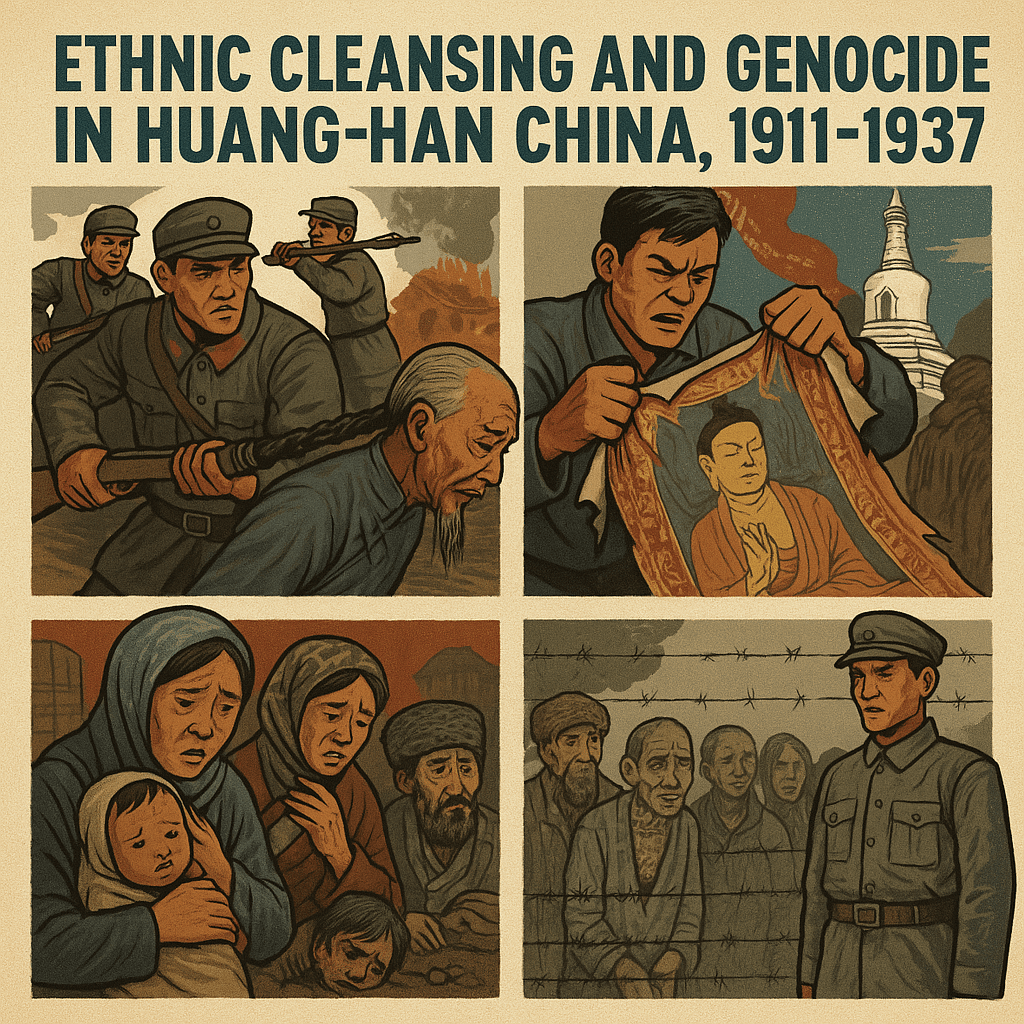
Ethnic Cleansing and Genocide in Huang-Han China (1911–1937)
In this alternate timeline, the Huang-Han regime’s rise to power is marked by systematic ethnic cleansing, forced assimilation, and cultural genocide targeting non-Han ethnic groups within China’s borders. The Huang-Han state’s policies, motivated by Han supremacist ideology, escalate throughout the 1911–1937 period, with devastating effects on the minority populations. Below is a timeline of key…
-
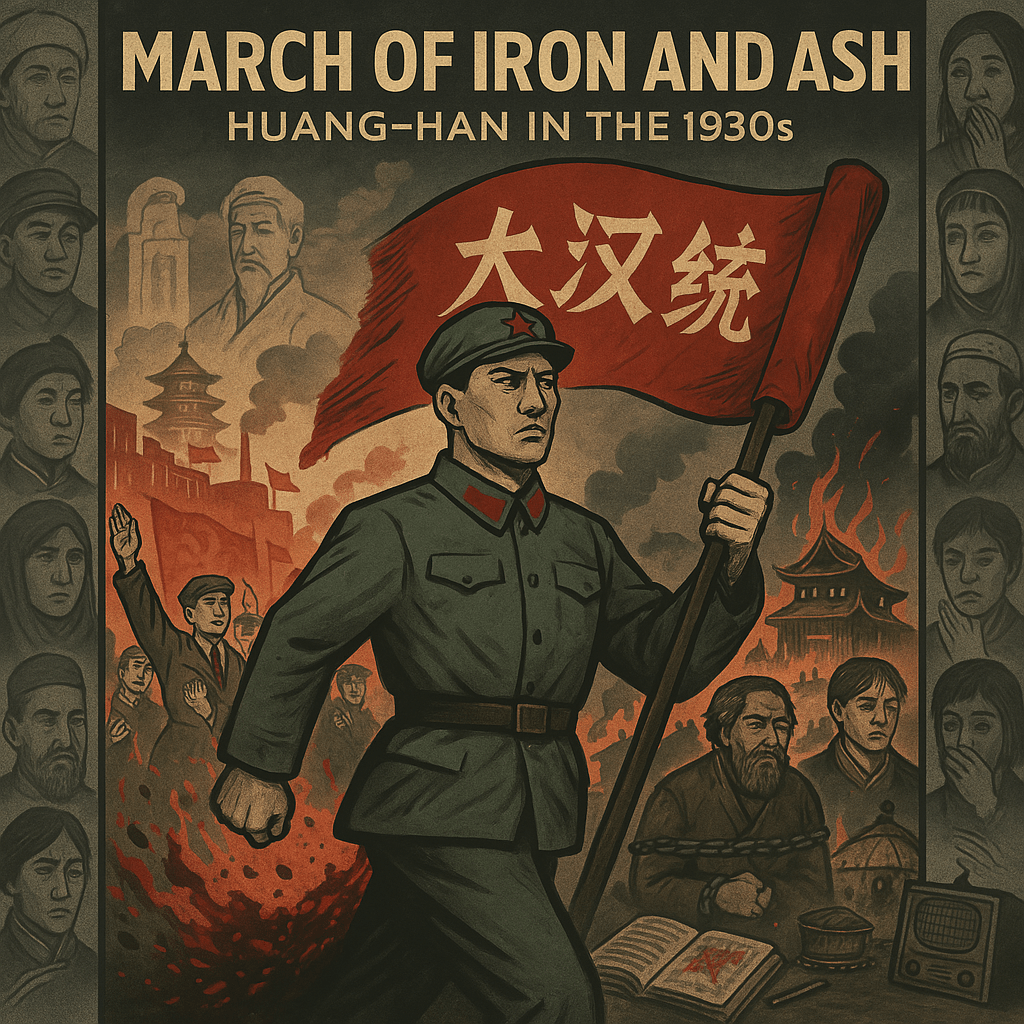
1930s in Huang-Han China: The March Toward Consolidation and Collapse
By the 1930s, Huang-Han China has evolved into a fully authoritarian, ethnonationalist state dominated by Han supremacist ideology. However, this period also marks the height of its internal contradictions and external pressures, which increasingly threaten the regime’s fragile unity.
 What If: The Archive