Category: Another Possibility of Civilizations
-
-
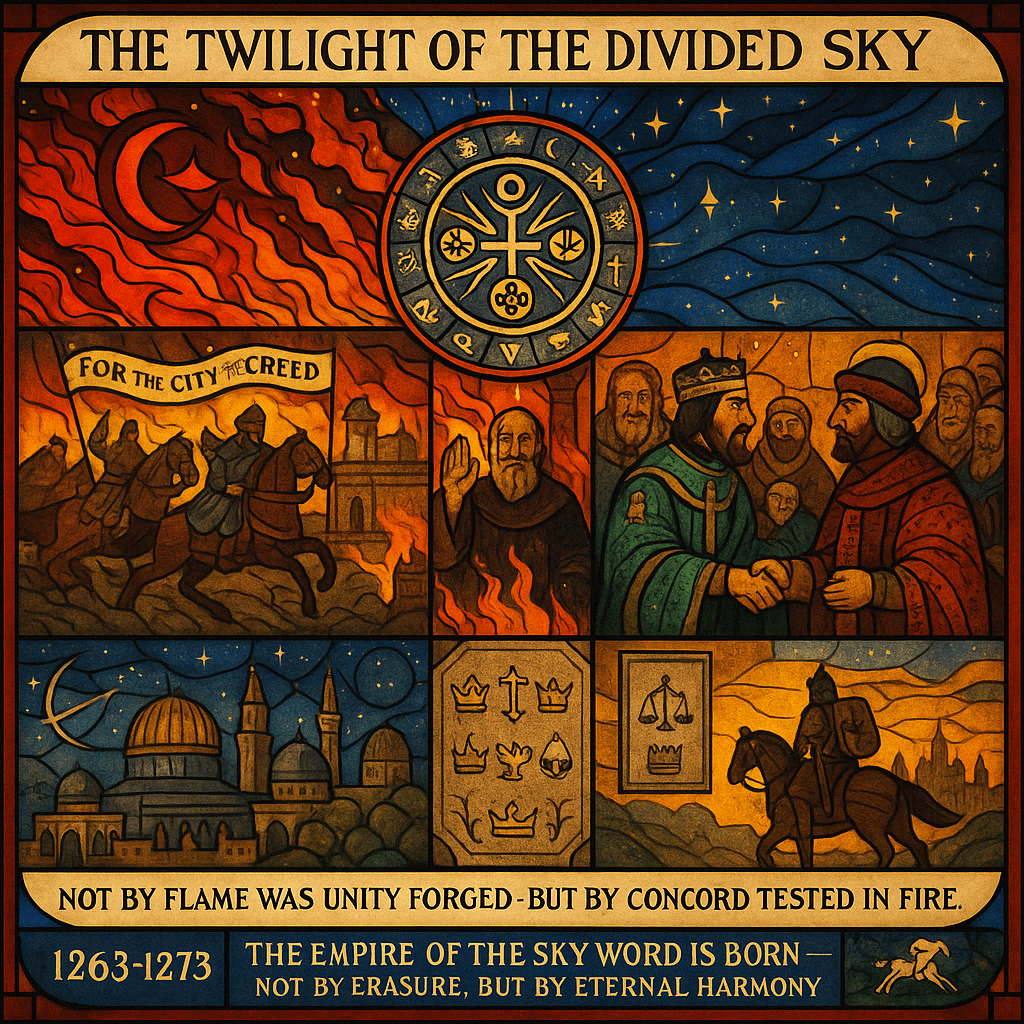
The Twilight of the Divided Sky: 1263-1273
“The empire was not made by one creed—but by the breath of many. Let no man make a god so narrow that it cannot ride with the wind.”
-
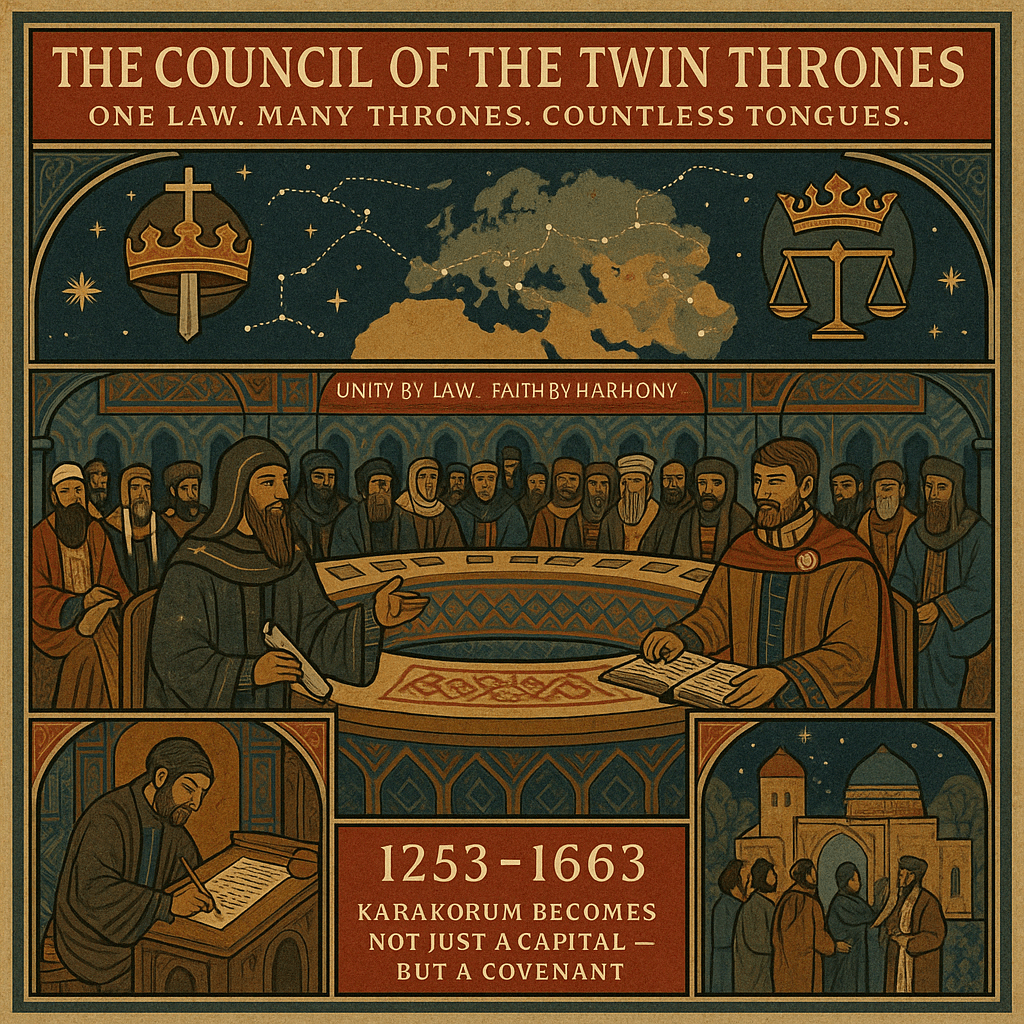
The Council of the Twin Thrones: 1253-1263
It is no longer a conquest state, nor merely a religious empire—it is now a cosmic federation, attempting something no civilization before had dared.
-
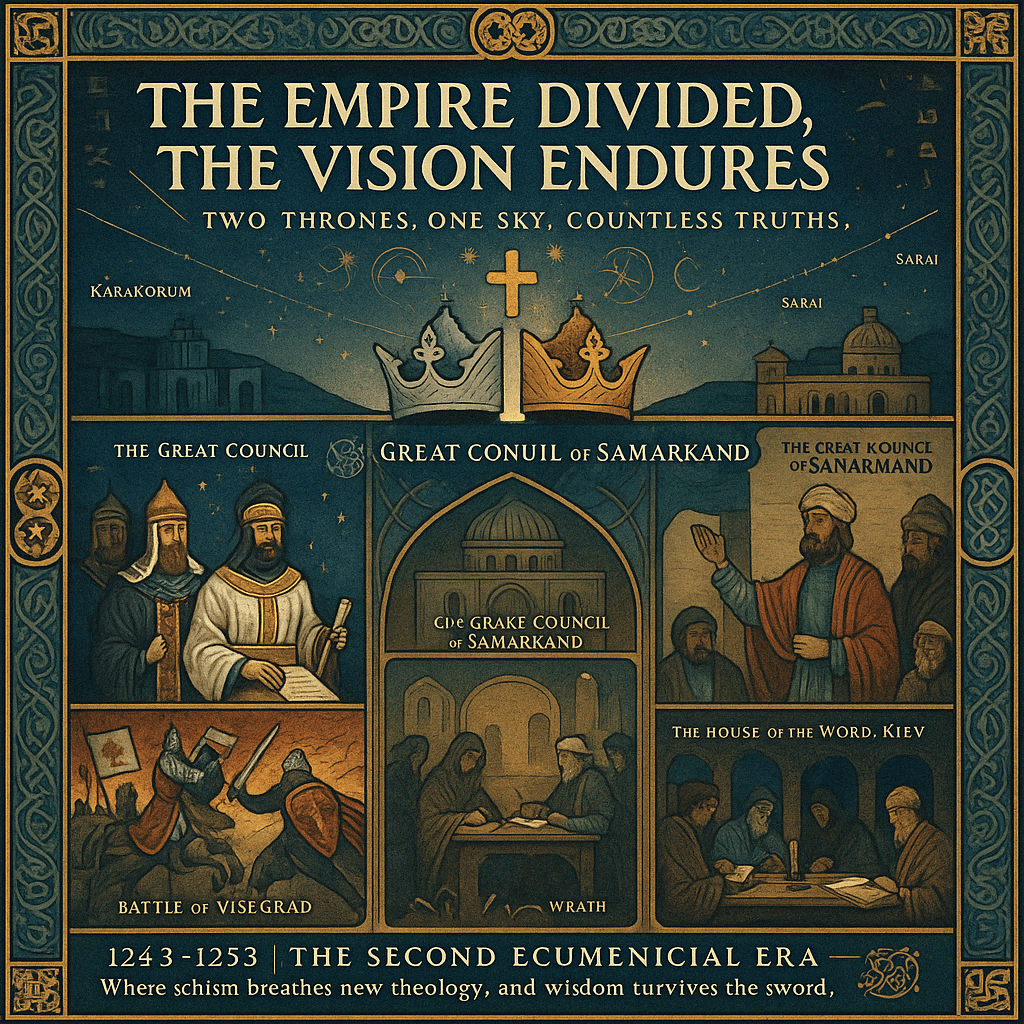
The Succession Crisis and the Second Ecumenical Era: 1243-1253
This decade sees the Mongol Christian Empire at its spiritual and territorial zenith, but also on the brink of collapse from within. Its ideals—universal law, pluralist Christianity, the fusion of East and West—are challenged by: Doctrinal rivalries between high Nestorianism and Eurasian humanism. Political fragmentation between Karakorum and Sarai. External pressures from Rome, Sunni scholars,…
-
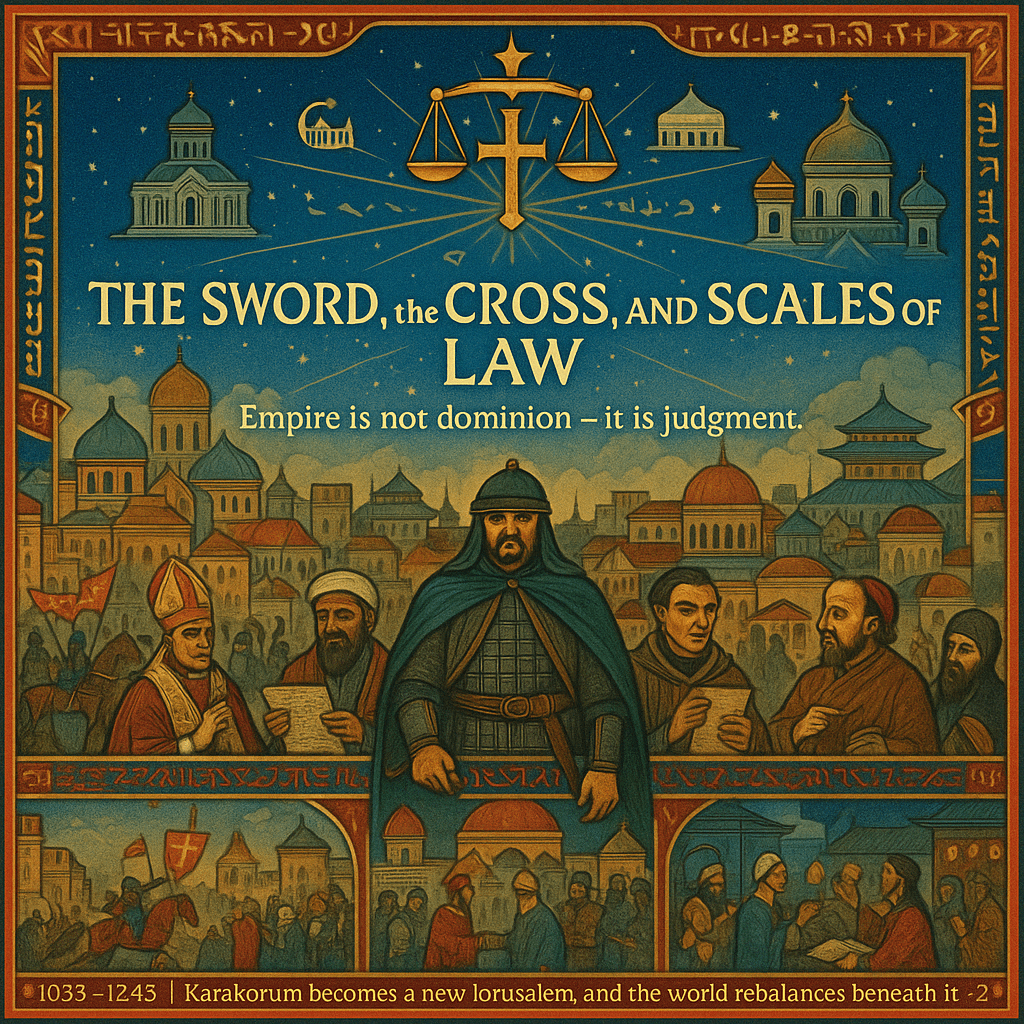
The Era of the Crossroads Crown: 1233-1243
This decade sees the Christianized Mongol Empire reach its greatest territorial extent—from the Carpathians to the Yellow River—and, more importantly, become a spiritual empire whose theological innovations, legal tolerance, and cultural flexibility begin reshaping world history.
-
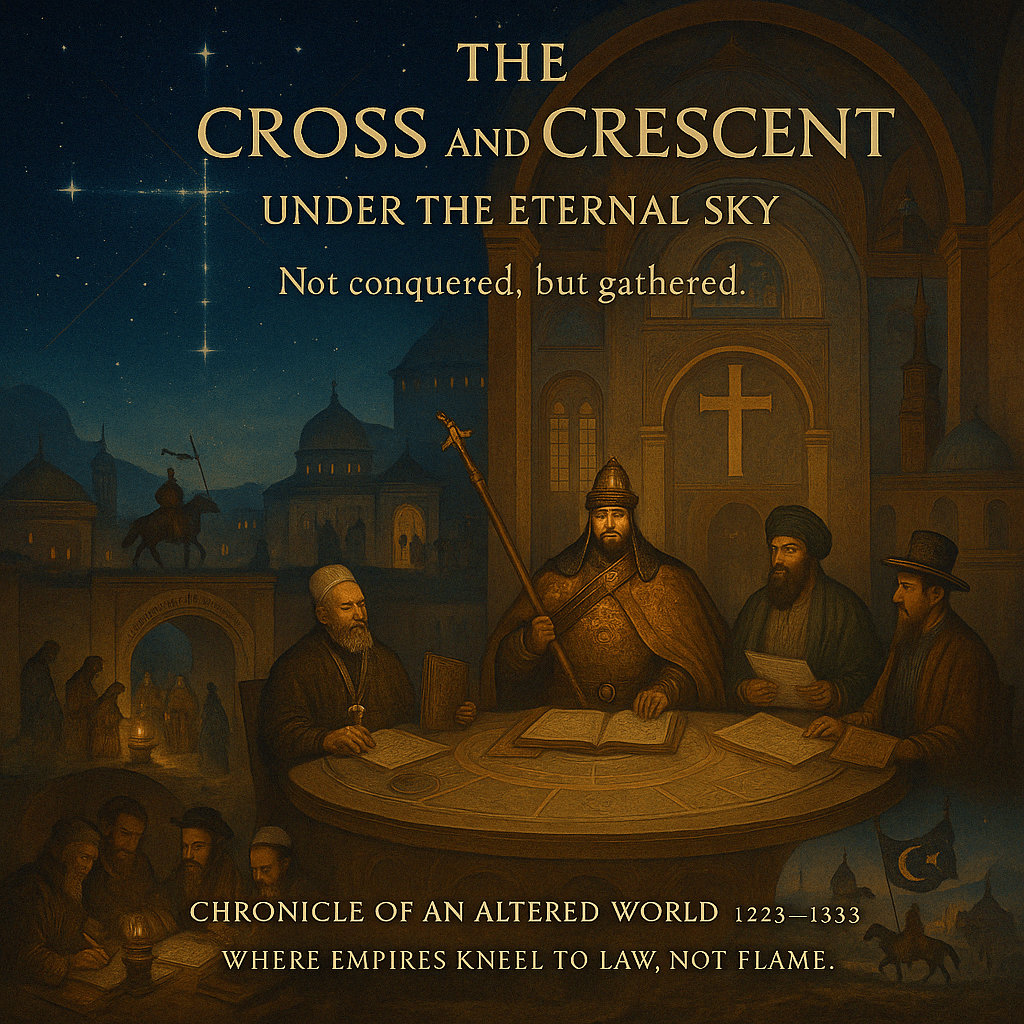
The World Under the Great Crossbow of Heaven: 1223-1233
This decade sees the Mongol Empire not just hold its gains, but become a philosophical and spiritual axis of Eurasia. Under Ögedei-Elias, it projects power not by fire but by faith, law, and infrastructure.
-
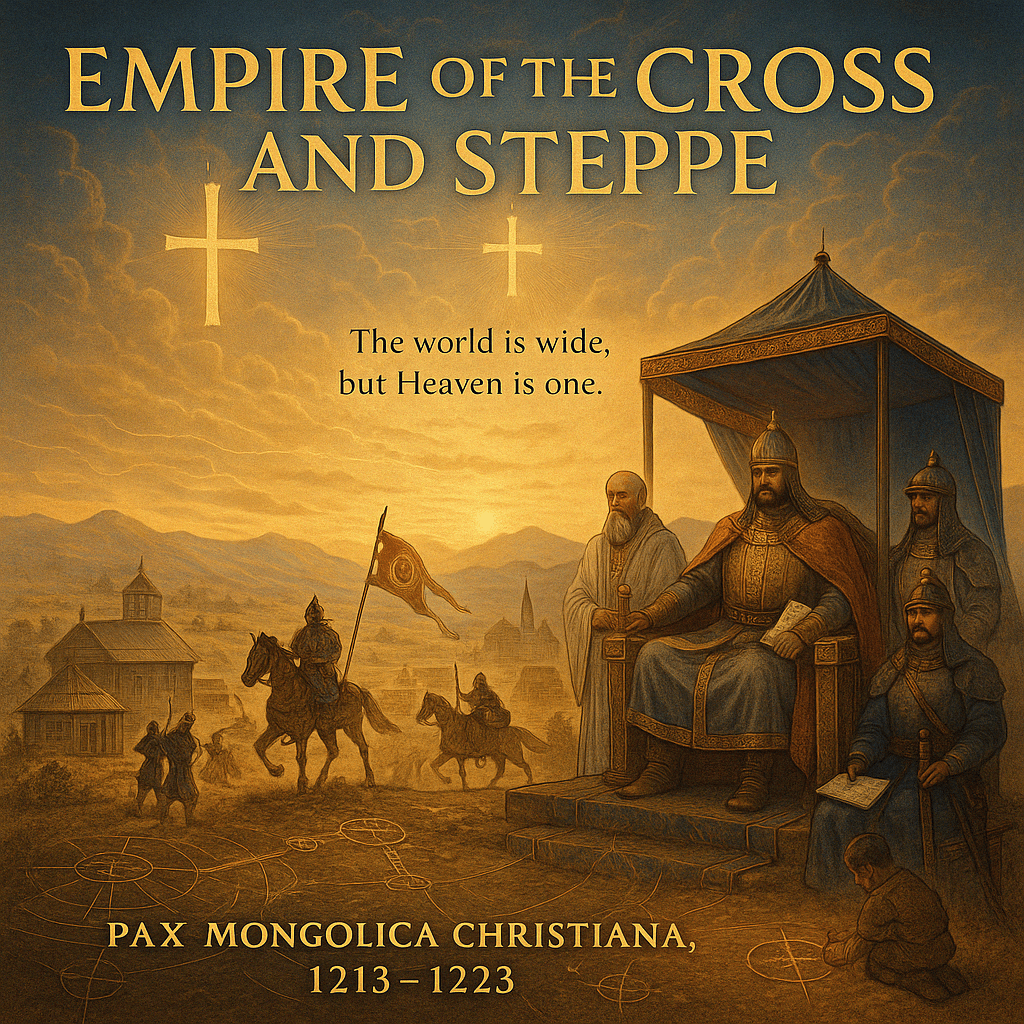
The Rise of the Pax Mongolica Christiana: 1213–1223
The Silk Road is no longer just a corridor of commerce, but a cathedral road, lined with monasteries, embassies, and courts in which Christian monks debate Islamic jurists under the protection of mounted law.
-
-
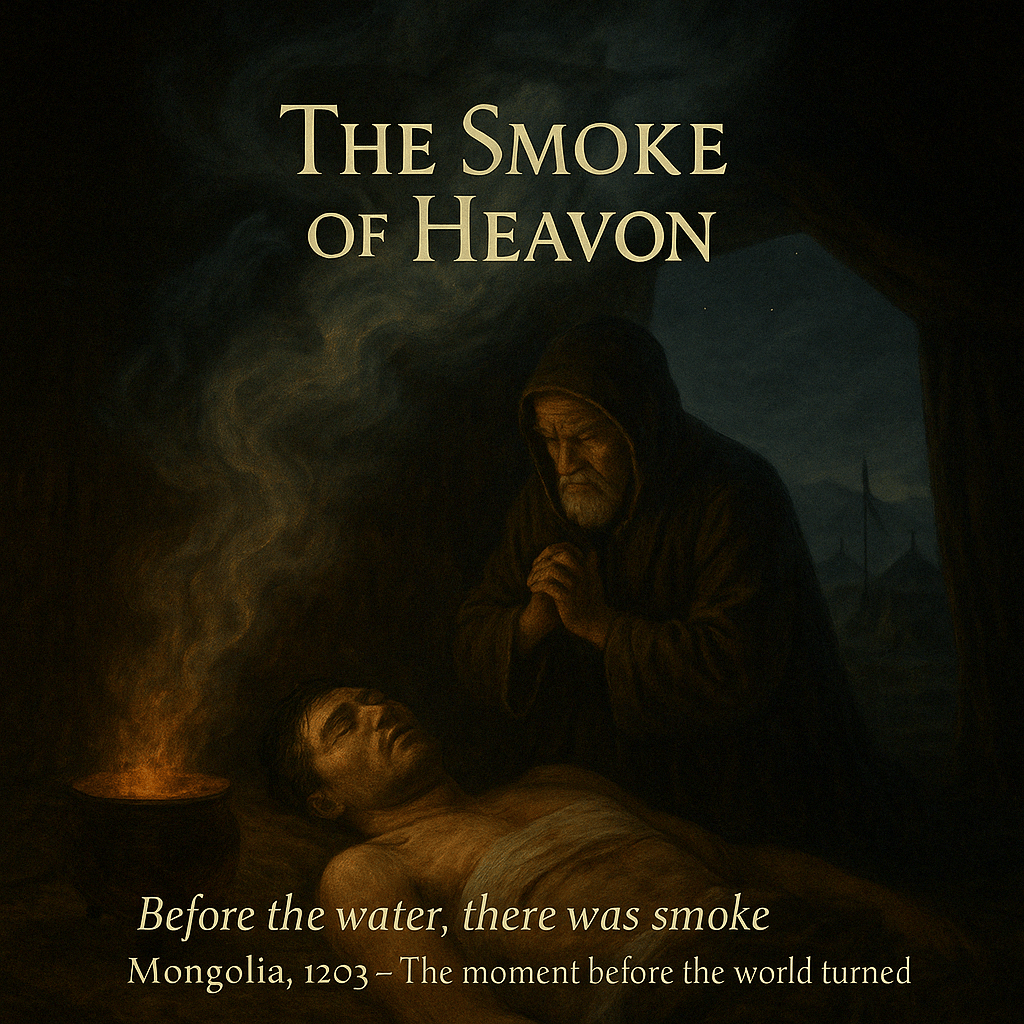
The Smoke of Heaven: Mongolia, 1203 – Where gods contended and history bent
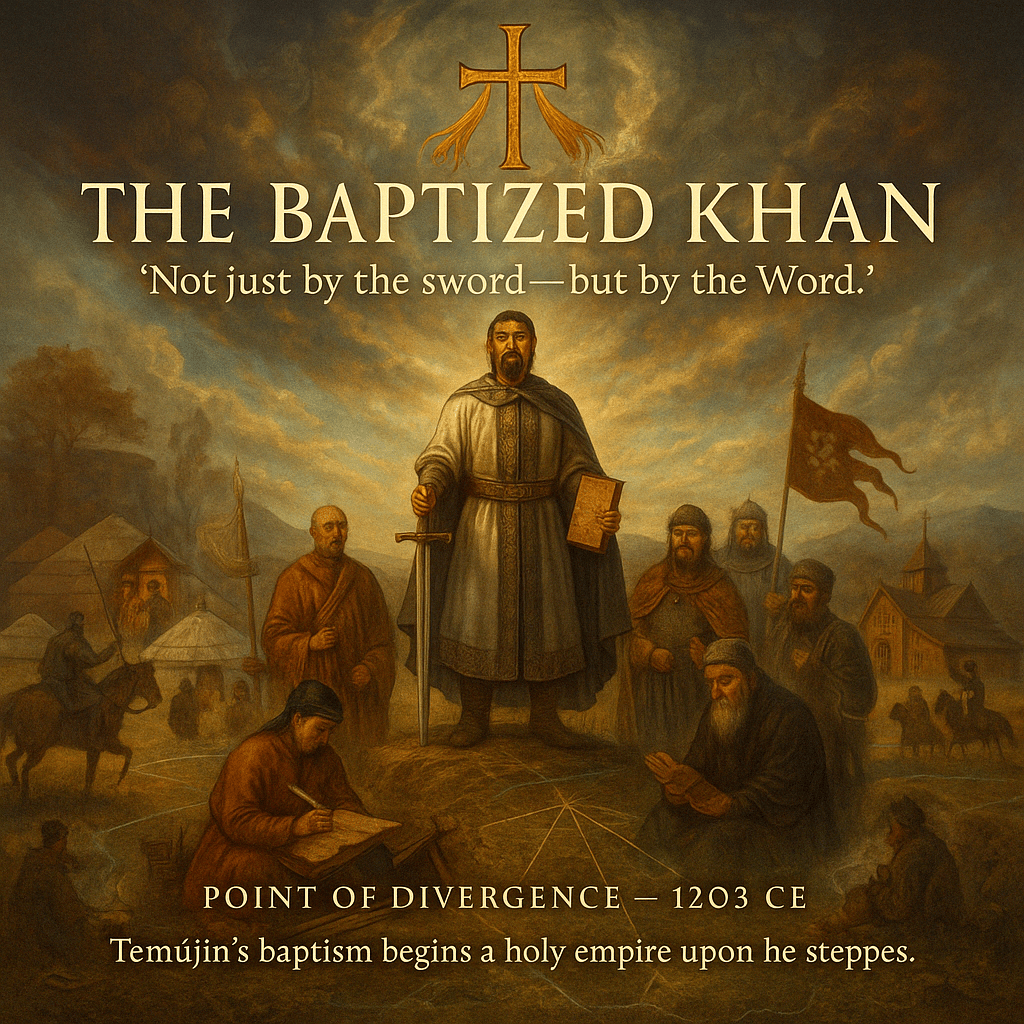
And to history, in this altered world, he became the hinge upon which the old world turned into something entirely new.
-

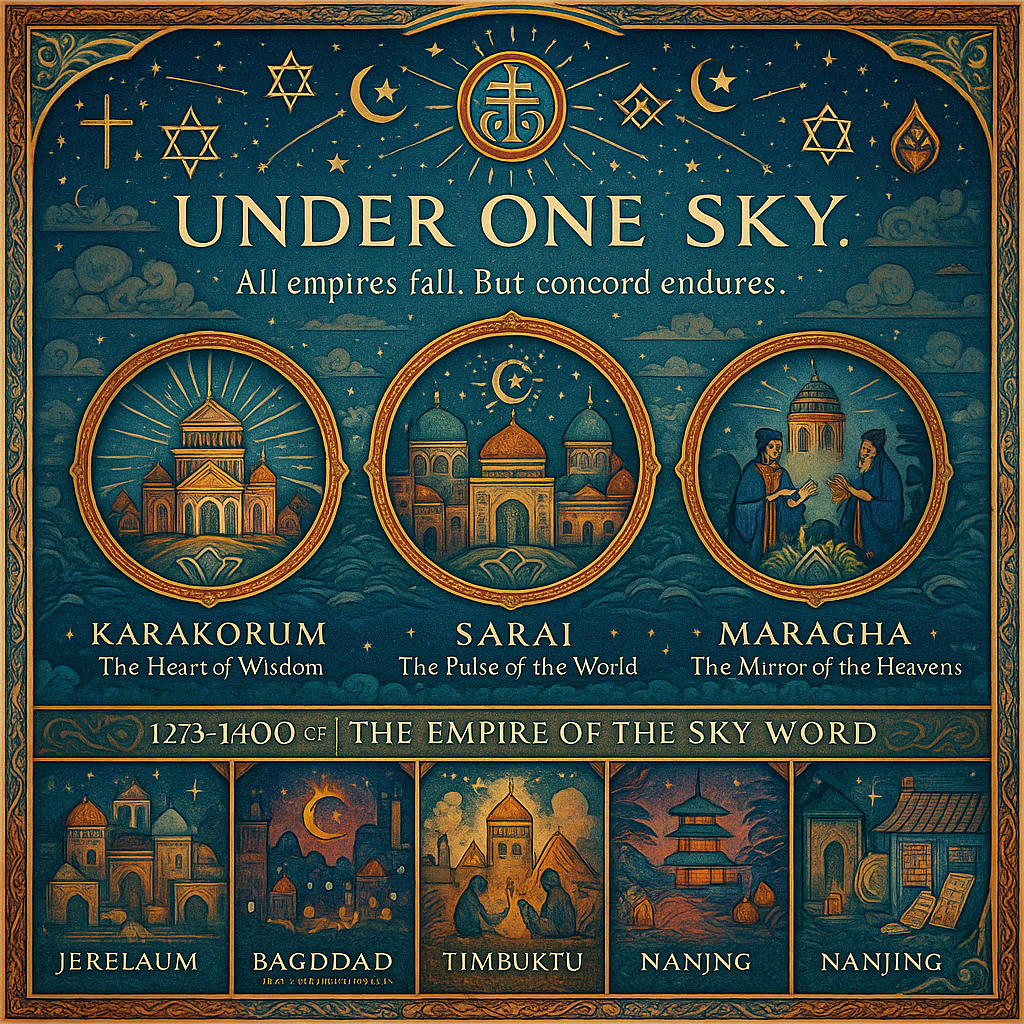
Introduction: The Empire of the Sky Word
“Temüjin, in the name of Eshūʿ, you are cleansed and made new.”
 What If: The Archive