Category: At Empire’s End, Reform Begins
-
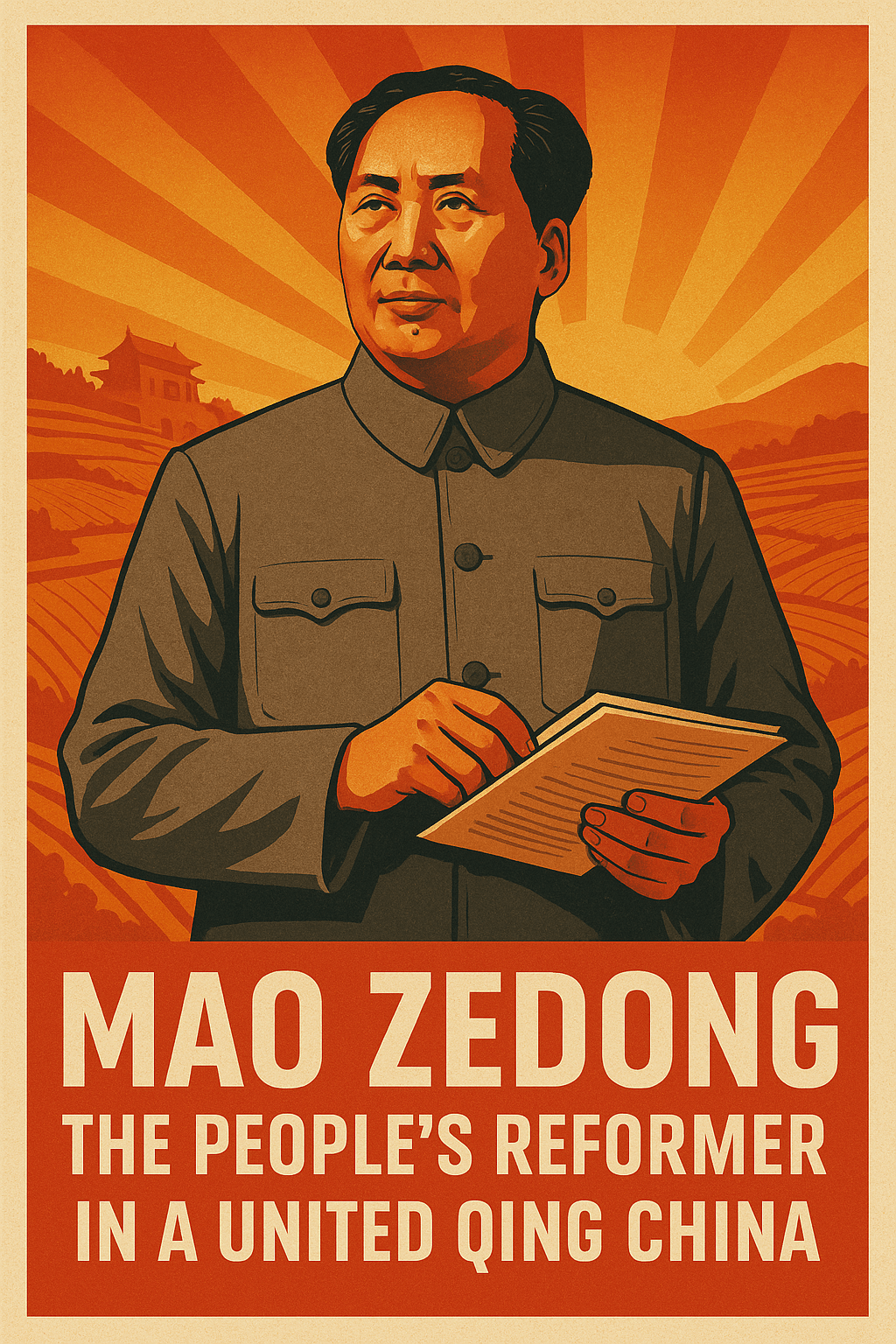
Mao Zedong in the Qing Constitutional timeline: The People’s Reformer
In this timeline, Mao Zedong’s legacy endures not as a revolutionary, but as a steadfast reformer who tilled the soil of tradition to sow the seeds of justice, unity, and rural renewal in a modern Qing China.
-
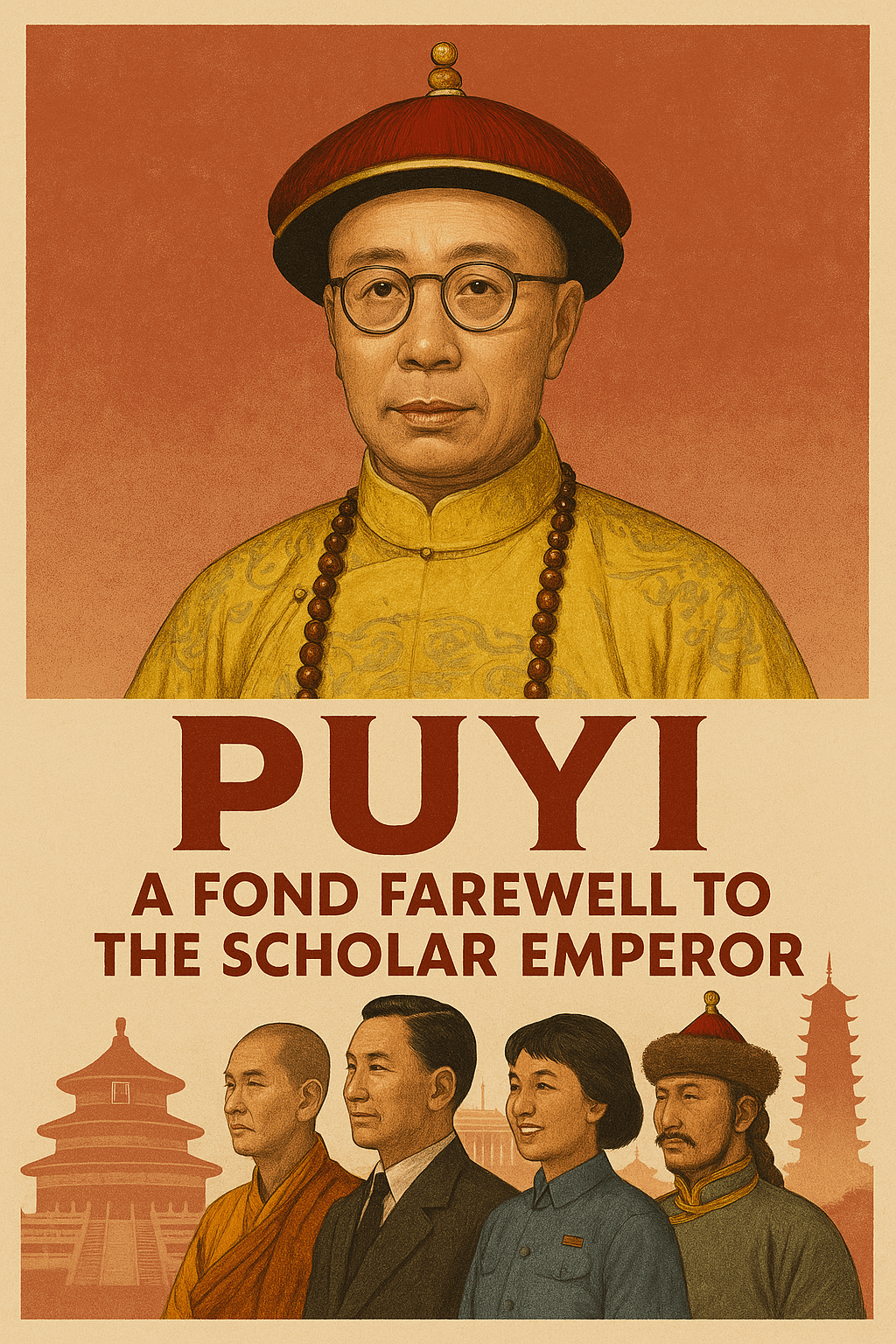
The Last Journey of the Scholar Emperor: Puyi’s Final Years and State Funeral (1950s–1976)
Farewell, Scholar Emperor—may your spirit rest beneath heaven’s quiet vault, where wisdom echoes in the halls of time and unity blooms in the hearts you bound together.
-
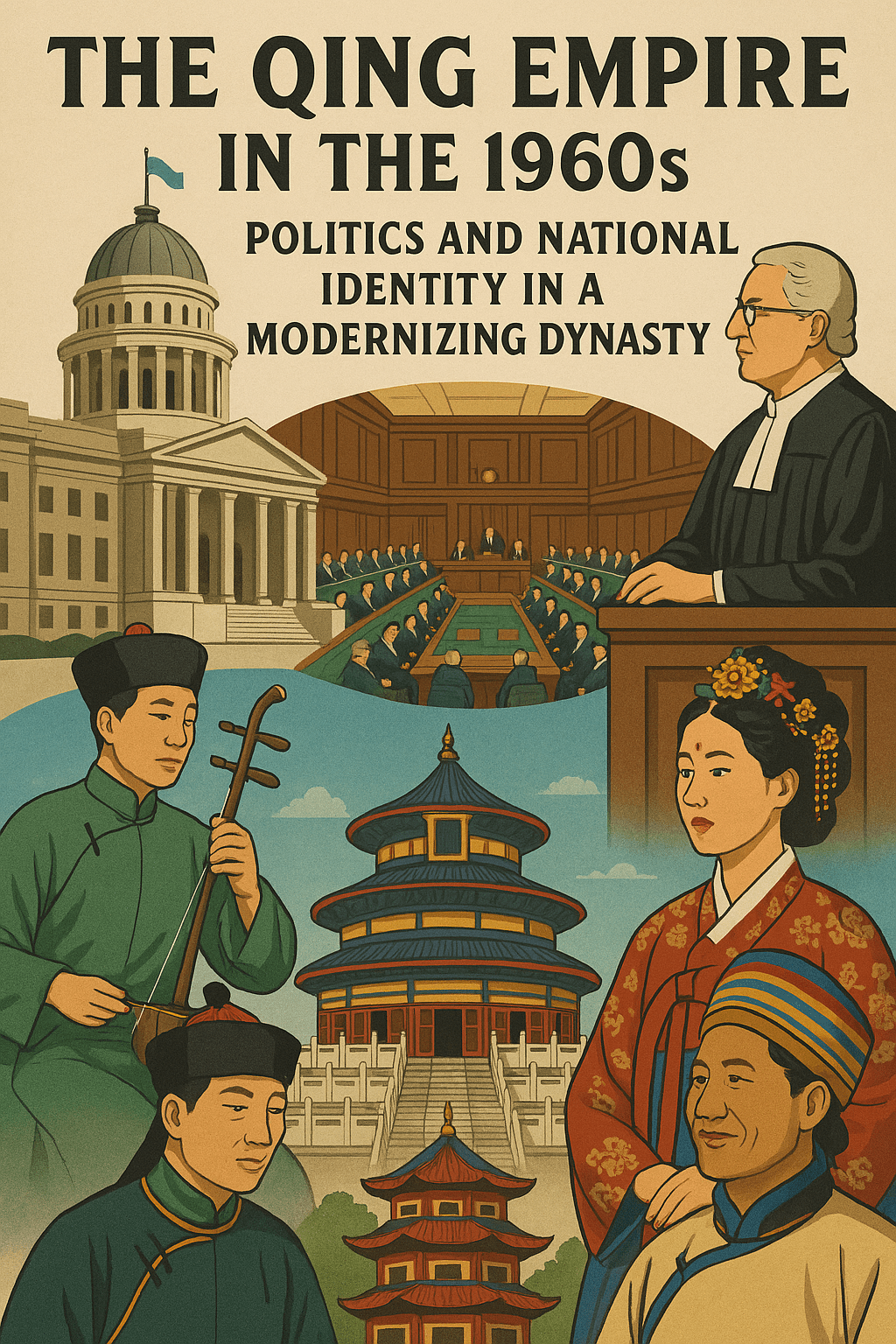
The Qing Empire in the 1960s: Politics and National Identity in a Modernizing Dynasty
n the 1960s, the Qing Empire stood as a remarkable fusion of constitutional governance and cultural pluralism—modern in its institutions, yet proudly rooted in its diverse historical identity.
-
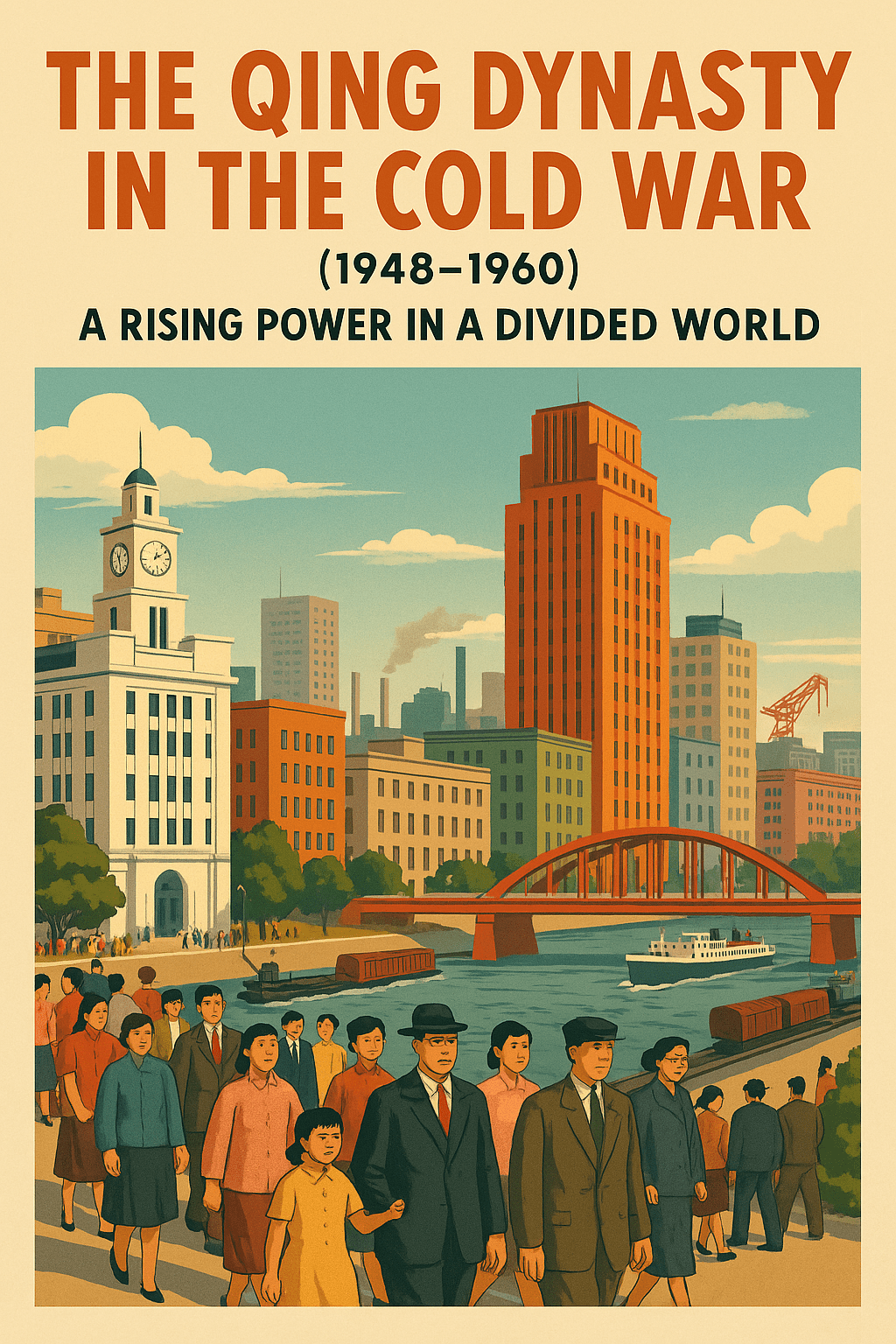
The Qing Dynasty in the Cold War (1948–1960): A Rising Power in a Divided World
By 1960, the Qing Empire had not only weathered the storms of global division but emerged as a beacon of balance—modern yet rooted, neutral yet influential, and poised to lead a new chapter in Asia’s future.
-

The Qing Dynasty in the 1940s: Navigating Global Turmoil
By the end of the 1940s, the Qing dynasty had defied expectations—not through conquest, but through diplomacy, development, and restraint—emerging as a pillar of peace and progress in a fractured world.
-
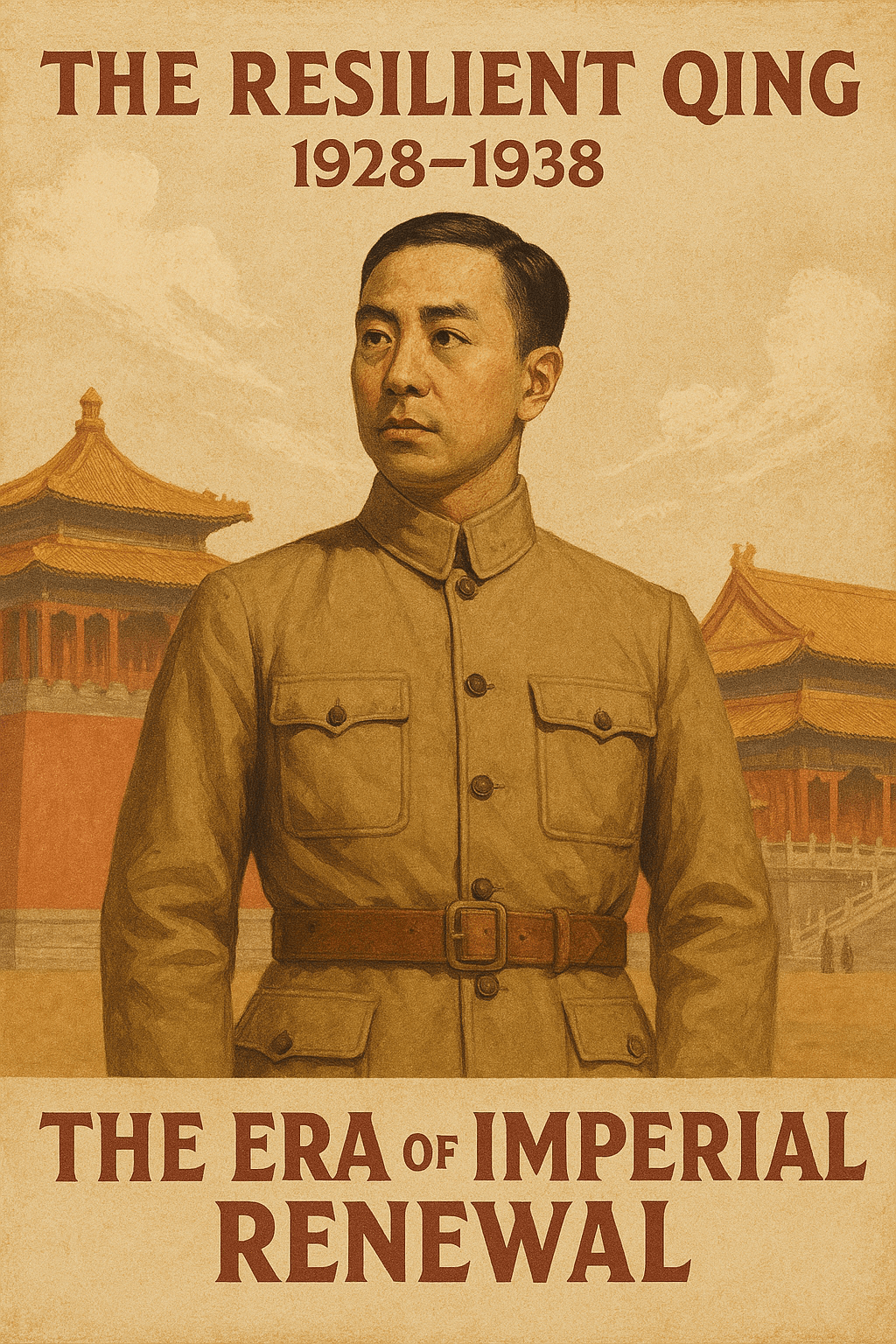
The Resilient Qing: 1928–1938 – The Era of Imperial Renewal
As the 1930s draw to a close, the Qing dynasty stands not as a relic of the past, but as a symbol of China’s evolving identity—resilient, reformed, and ready to face the storms ahead.
-
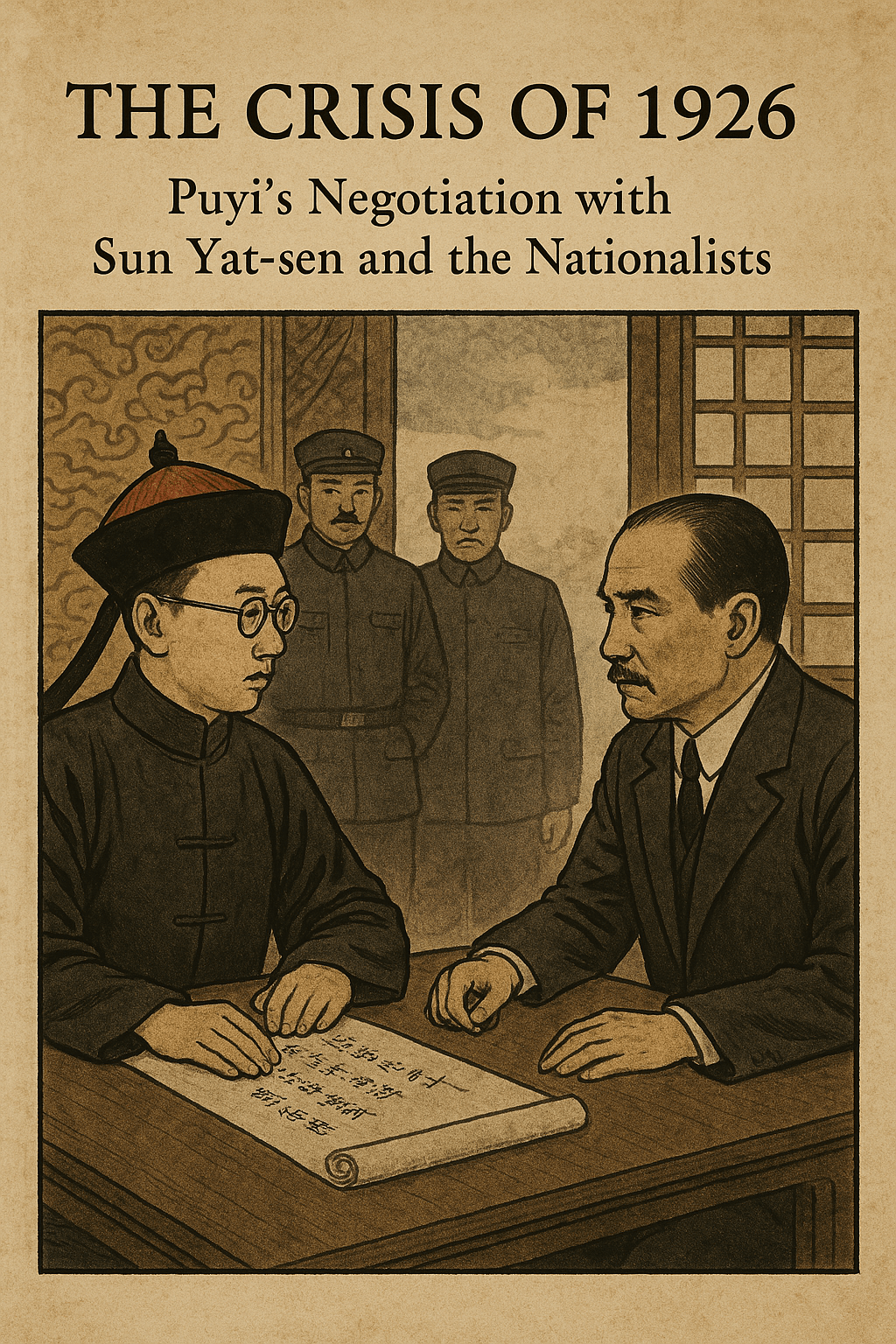
The Crisis of 1926: Puyi’s Negotiation with Sun Yat-sen and the Nationalists
From the shadow of tragedy emerged a fragile peace—one brokered not by force, but by dialogue, shaping a new chapter in China’s constitutional journey.
-

The Struggle for Stability (1918–1928): Nationalism vs. Monarchy
As 1928 approaches, the empire stands at a breaking point—caught between the promise of reform and the pull of revolution, with its fate hanging in the balance.
-

The Regency Era (1908–1918): Consolidation and Challenges
As the regency era draws to a close, China stands at a fragile but hopeful crossroads—its young emperor poised to inherit a nation reshaped by reform, yet shadowed by the weight of unresolved tensions.
-
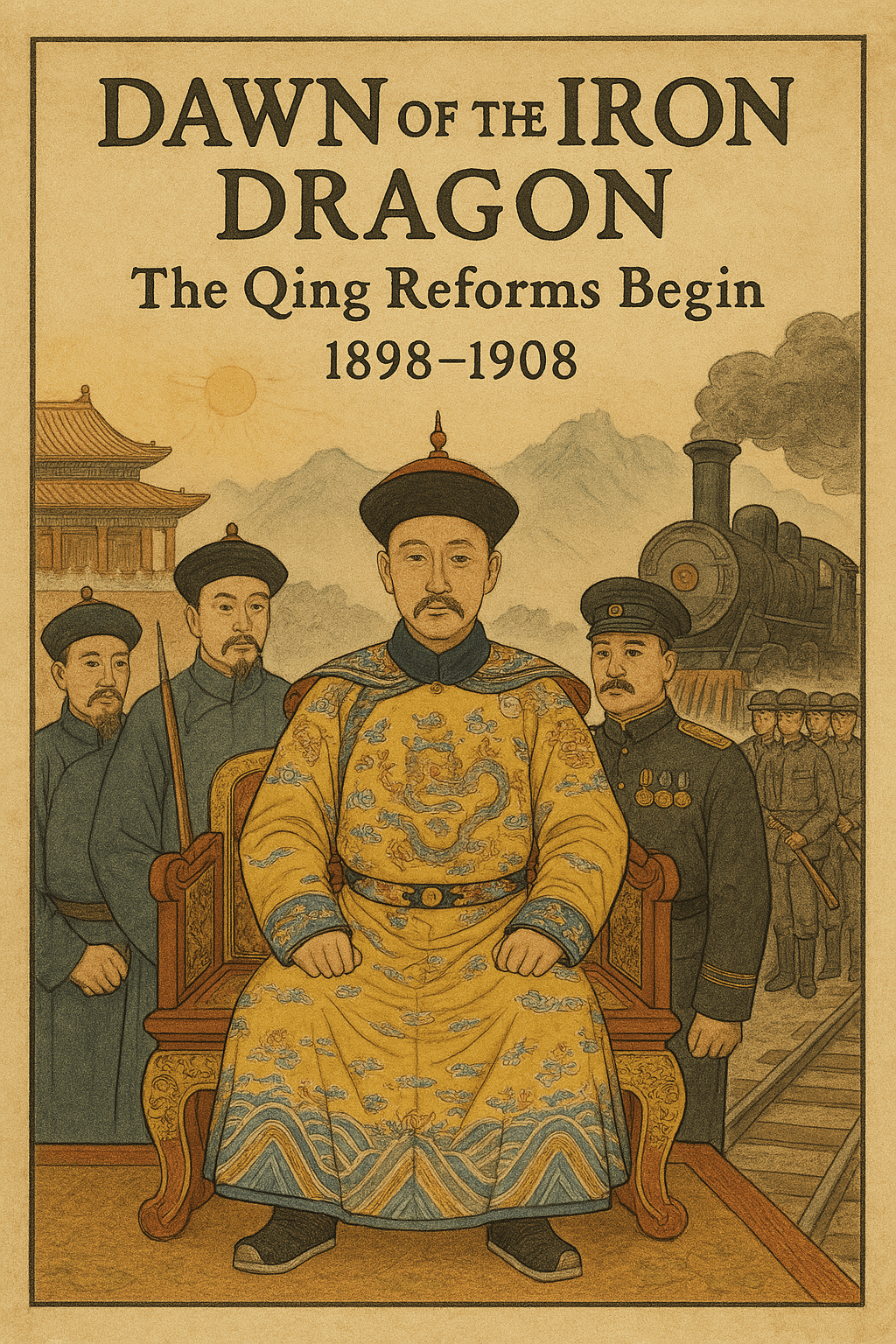
1898-1908: Dawn of the Iron Dragon
Thus began a decade of transformation, where imperial tradition met the machinery of modernity—setting China on a path never before imagined.
 What If: The Archive