Category: Blood and Tears
-
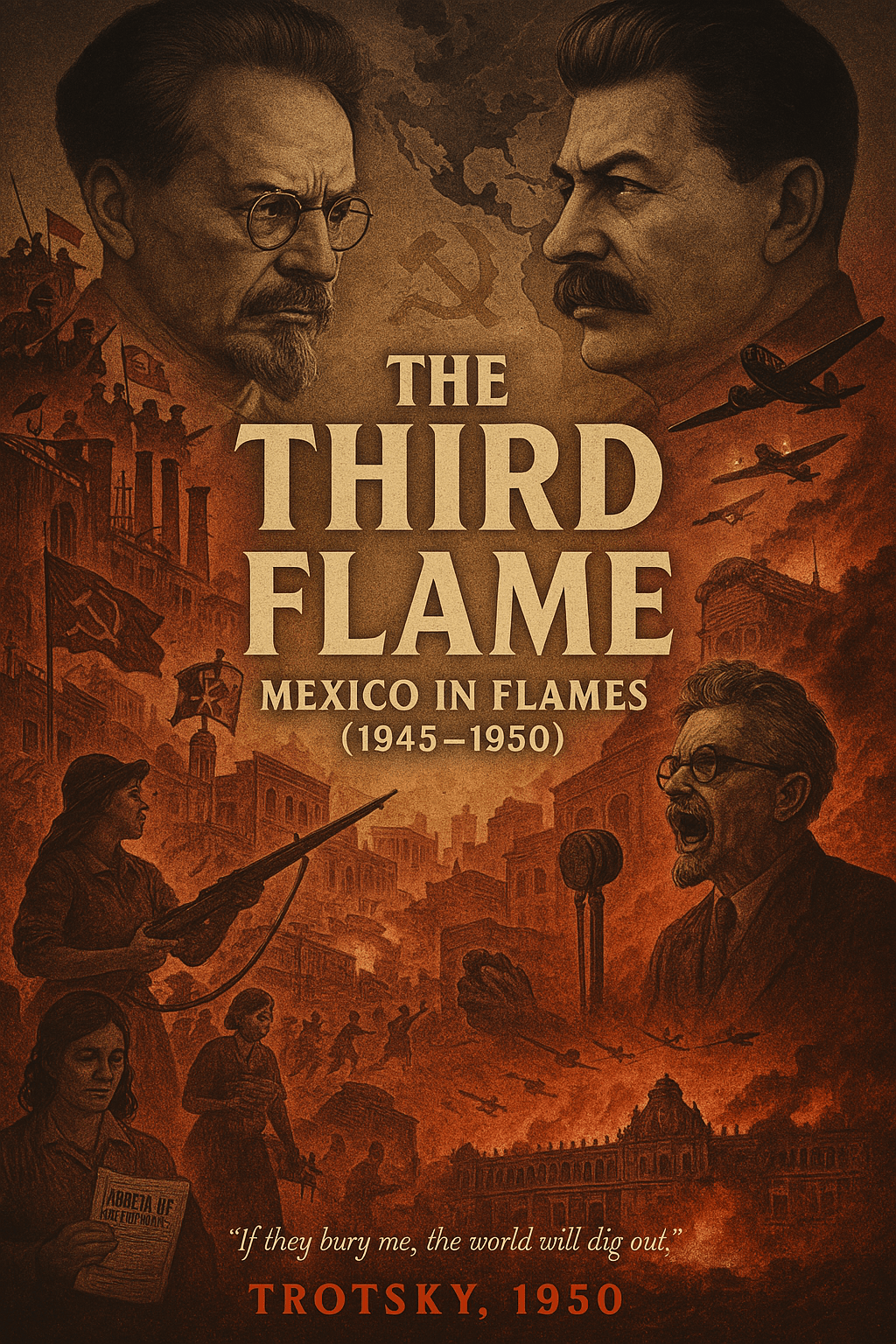
The Cold War’s First Battlefield: Mexico in Flames (1945–1950)
“We have lit the flame of revolution. If they bury me, the world will dig me out. No force, not Stalin, not America, will stop the march of the working class.”
-
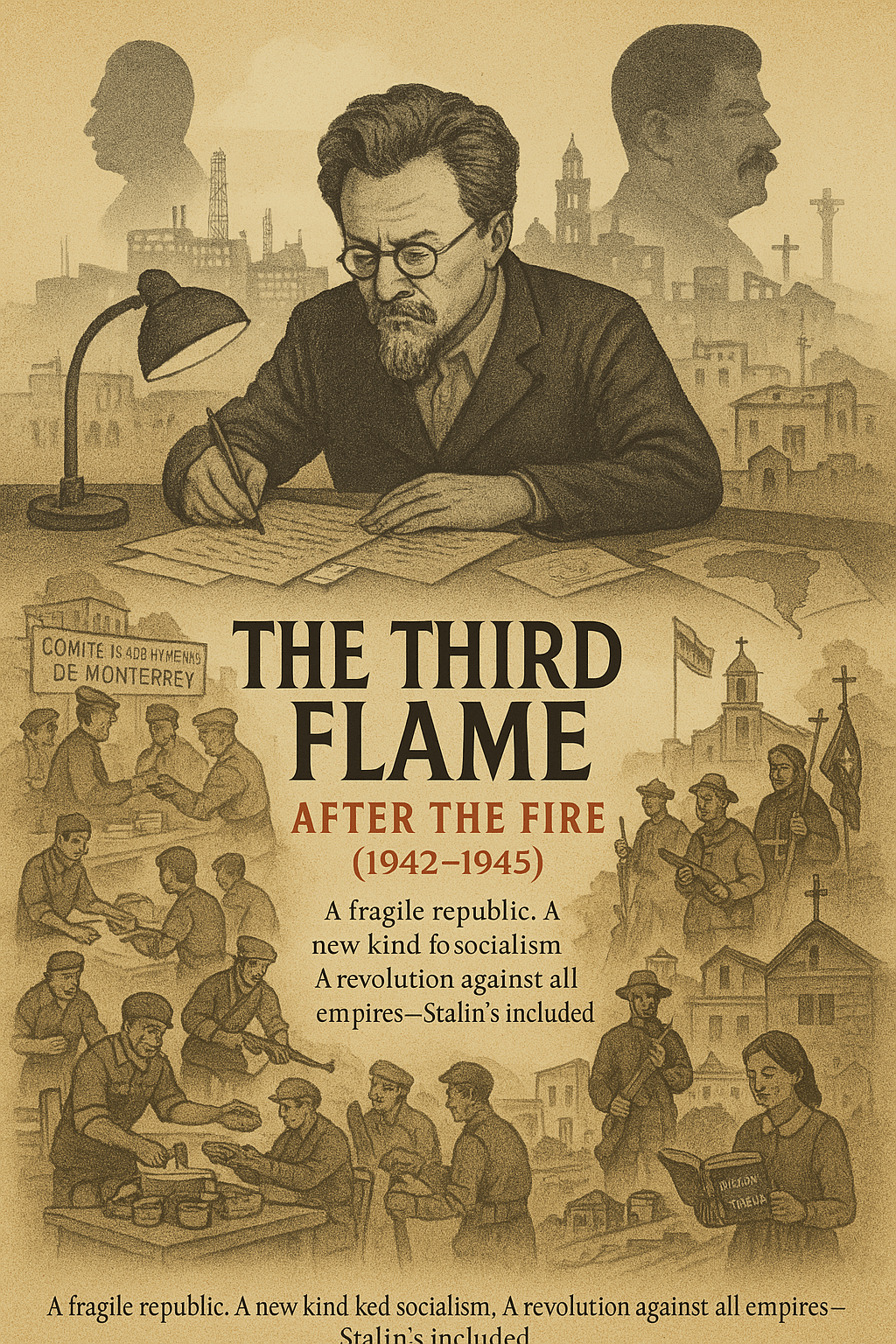
Trotsky’s Struggle to Stabilize Revolutionary Mexico (1942–1945)
Leon Trotsky’s sudden rise to power in 1942 left Mexico in a state of upheaval. Unlike Stalin’s Soviet model, Trotsky’s vision of socialism rejected bureaucratic authoritarianism and emphasized workers’ democracy, decentralized economic planning, and international revolution. However, maintaining his rule and improving Mexicans’ livelihoods in the face of economic disarray, U.S. hostility, and Stalinist subversion…
-
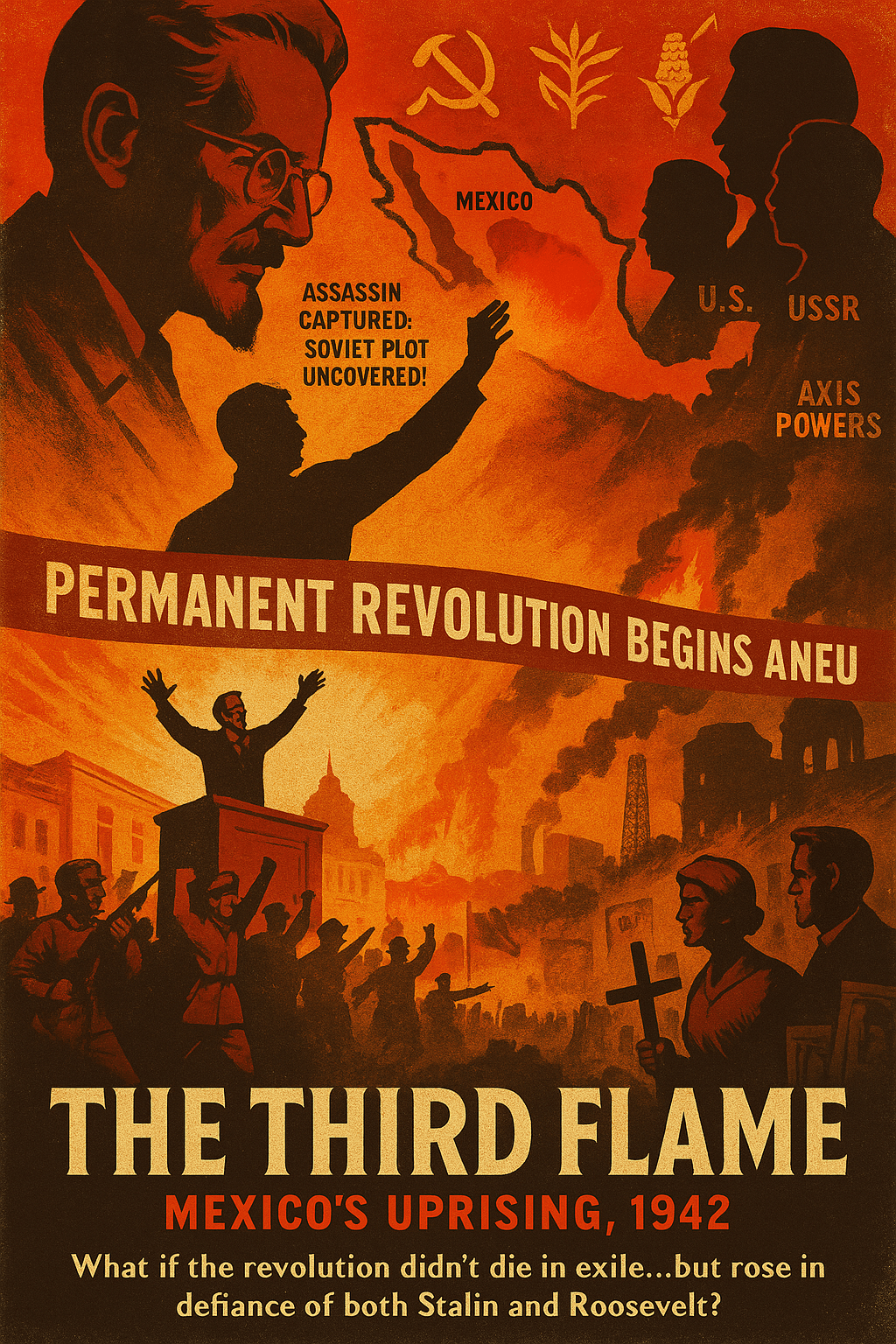
The Mexican Socialist Revolution of 1942 and Its Global Consequences
In this timeline, Leon Trotsky does not fall to Ramón Mercader’s icepick in August 1940. Instead, his security apparatus, reinforced by sympathizers within Mexico’s left-wing labor movement, uncovers the Stalinist plot against him. Mercader is intercepted and captured, exposing the extent of Soviet infiltration in Mexico. This revelation, combined with growing tensions between the Mexican…
-
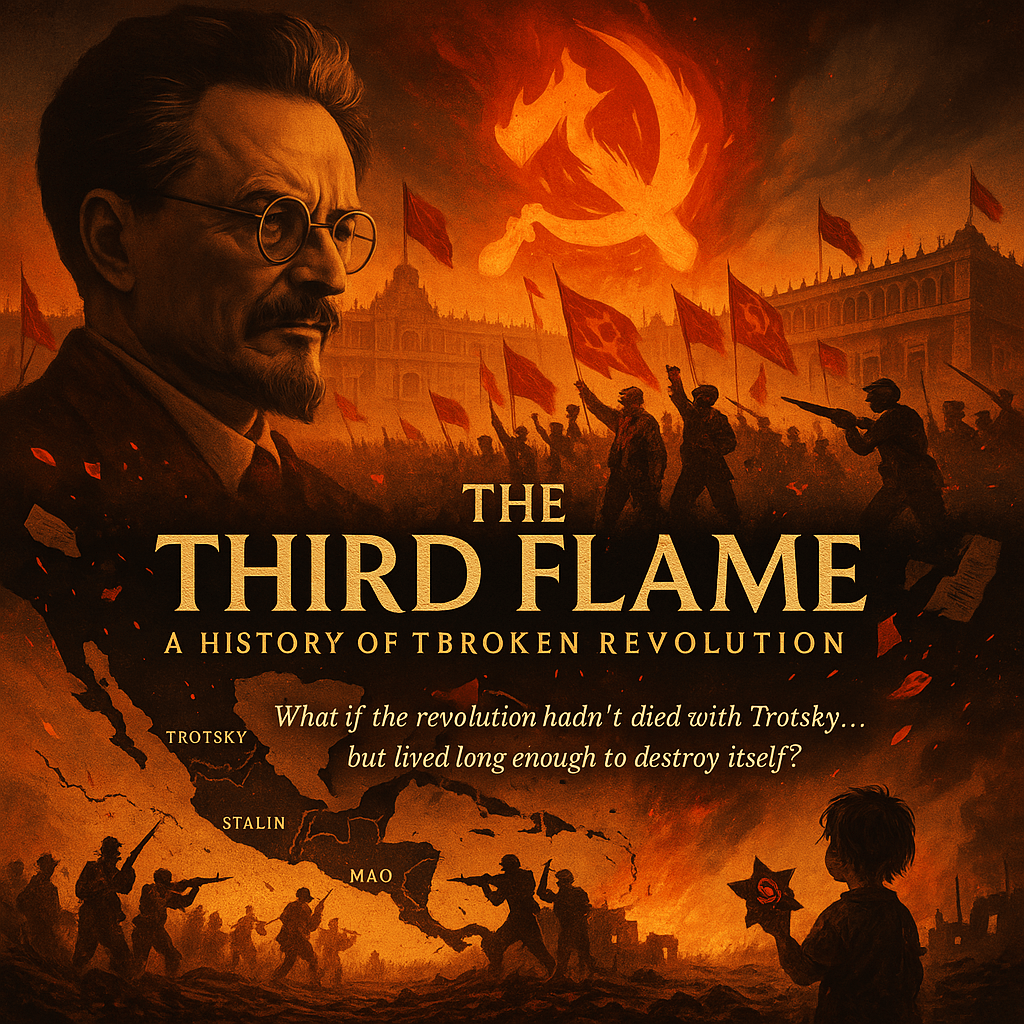
Introduction: What if the flame had survived?
In our world, Leon Trotsky died in exile—his revolution extinguished with an icepick. But in this timeline, he survives. In 1942, as the world burns in war, Mexico erupts in a socialist uprising unlike any before—neither Stalinist nor capitalist, but forged in Trotsky’s vision of permanent revolution. What begins as a beacon of hope soon…
-
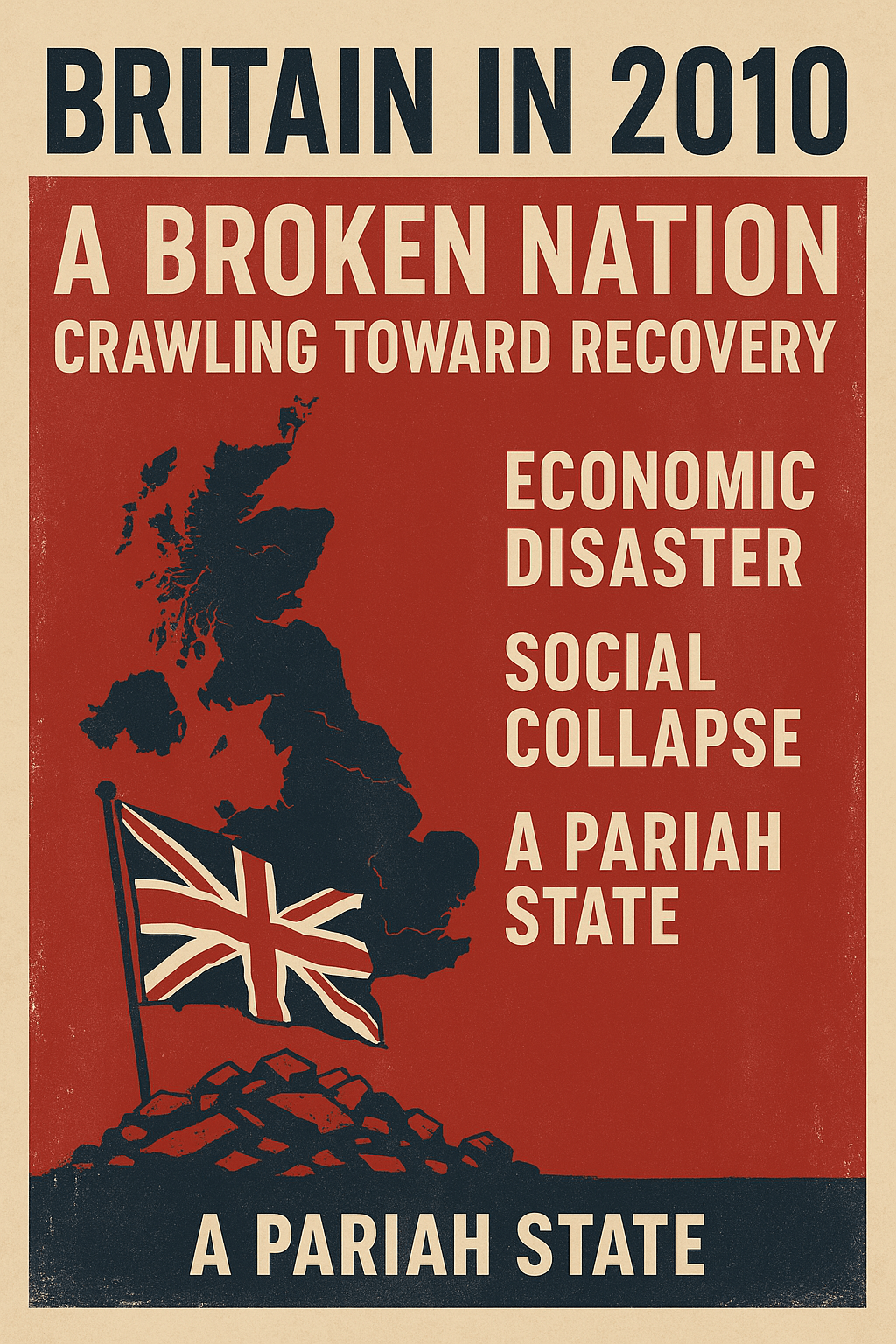
Britain in 2010: A Broken Nation Crawling Toward Recovery
In 2010, Britain stood not in triumph, but in survival—free at last, yet haunted by the cost of reclaiming that freedom.
-
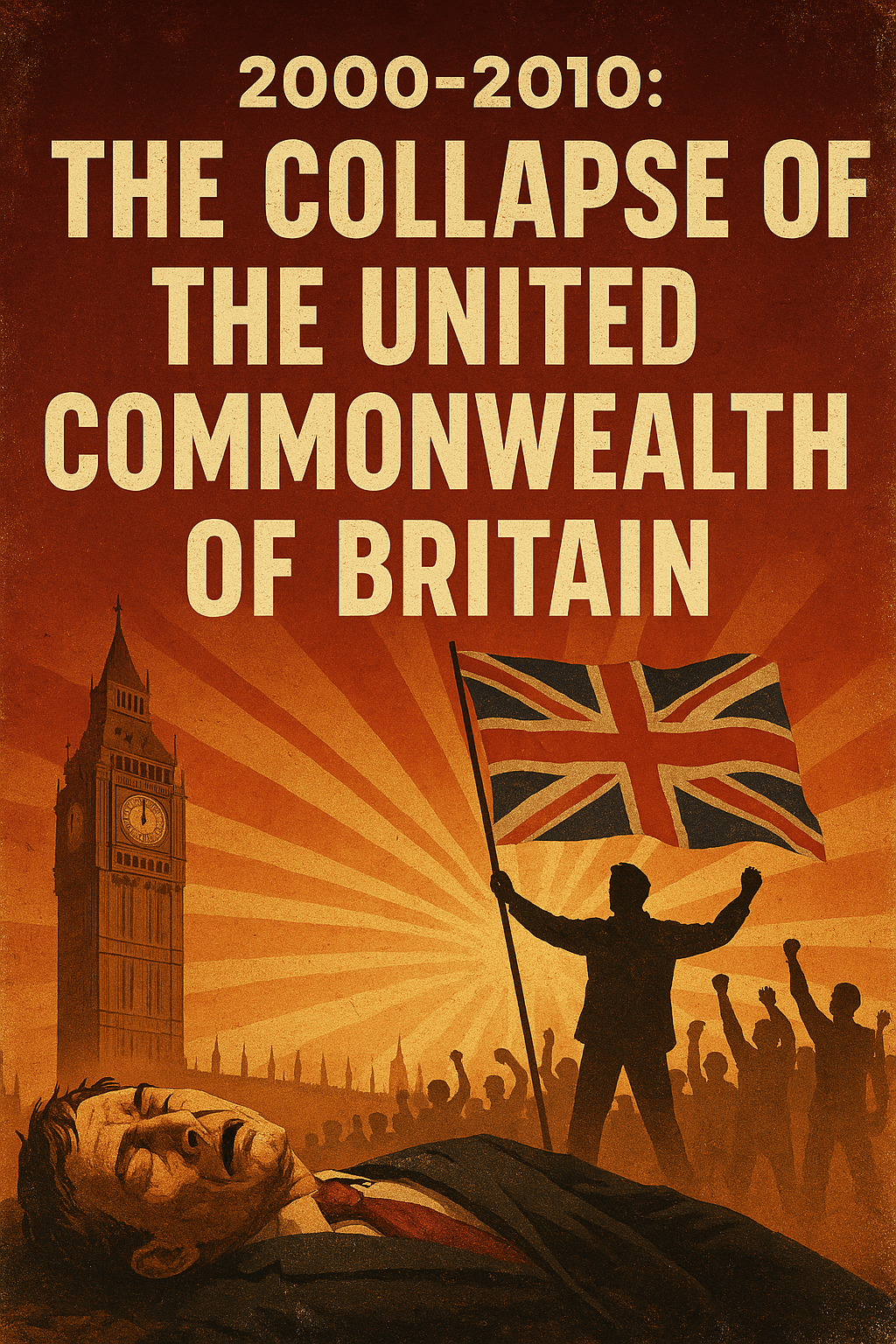
2000–2010: The Collapse of the United Commonwealth of Britain
As the Protector fell and the red banners burned, a broken Britain took its first breath of freedom—scarred, uncertain, but finally awake.
-
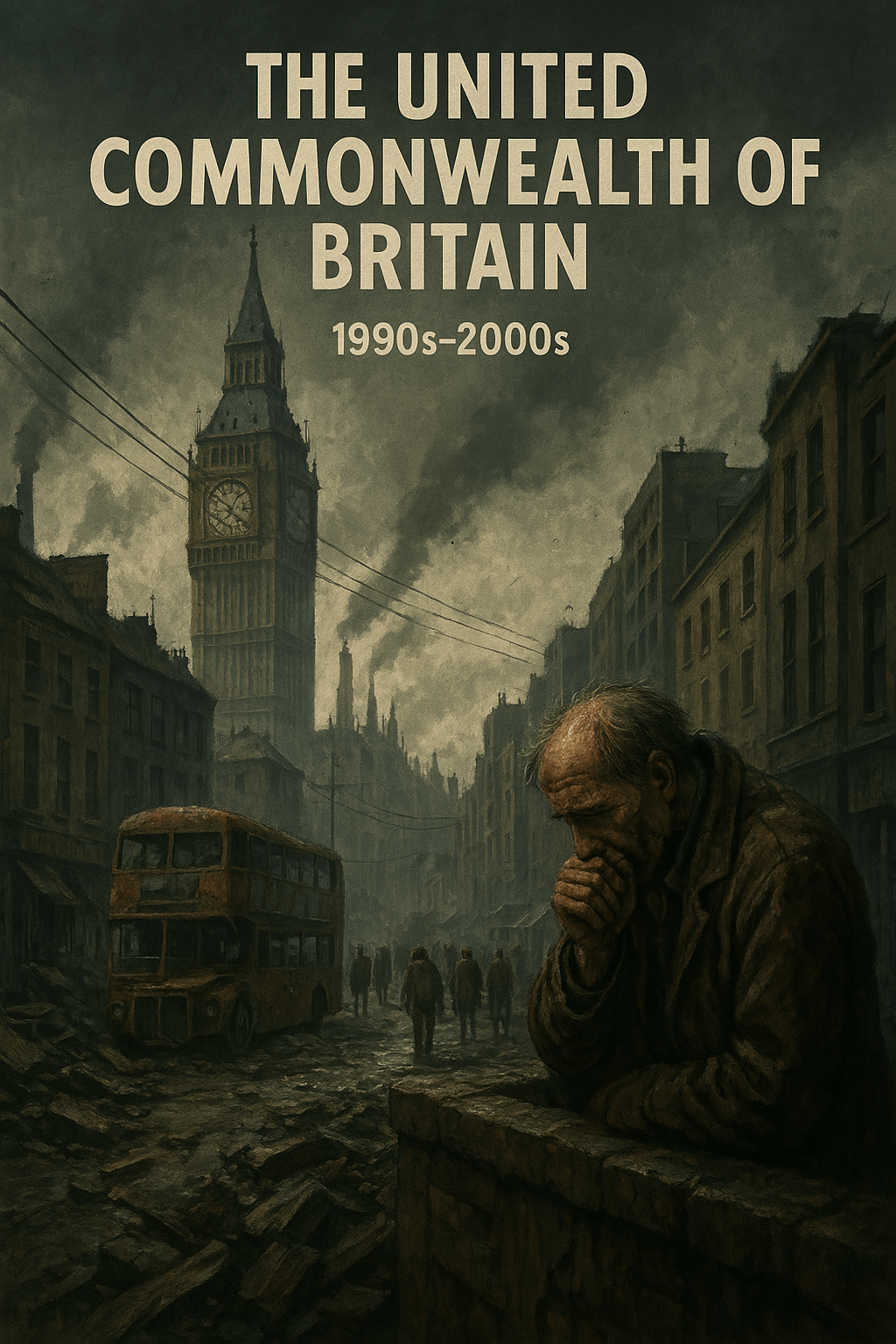
The United Commonwealth of Britain: Political and Economic System (1990s–2000s)
The new system was meant to be a “workers’ republic,” but in reality, it became a fragile dictatorship, plagued by economic failure, political infighting, and growing unrest.
-
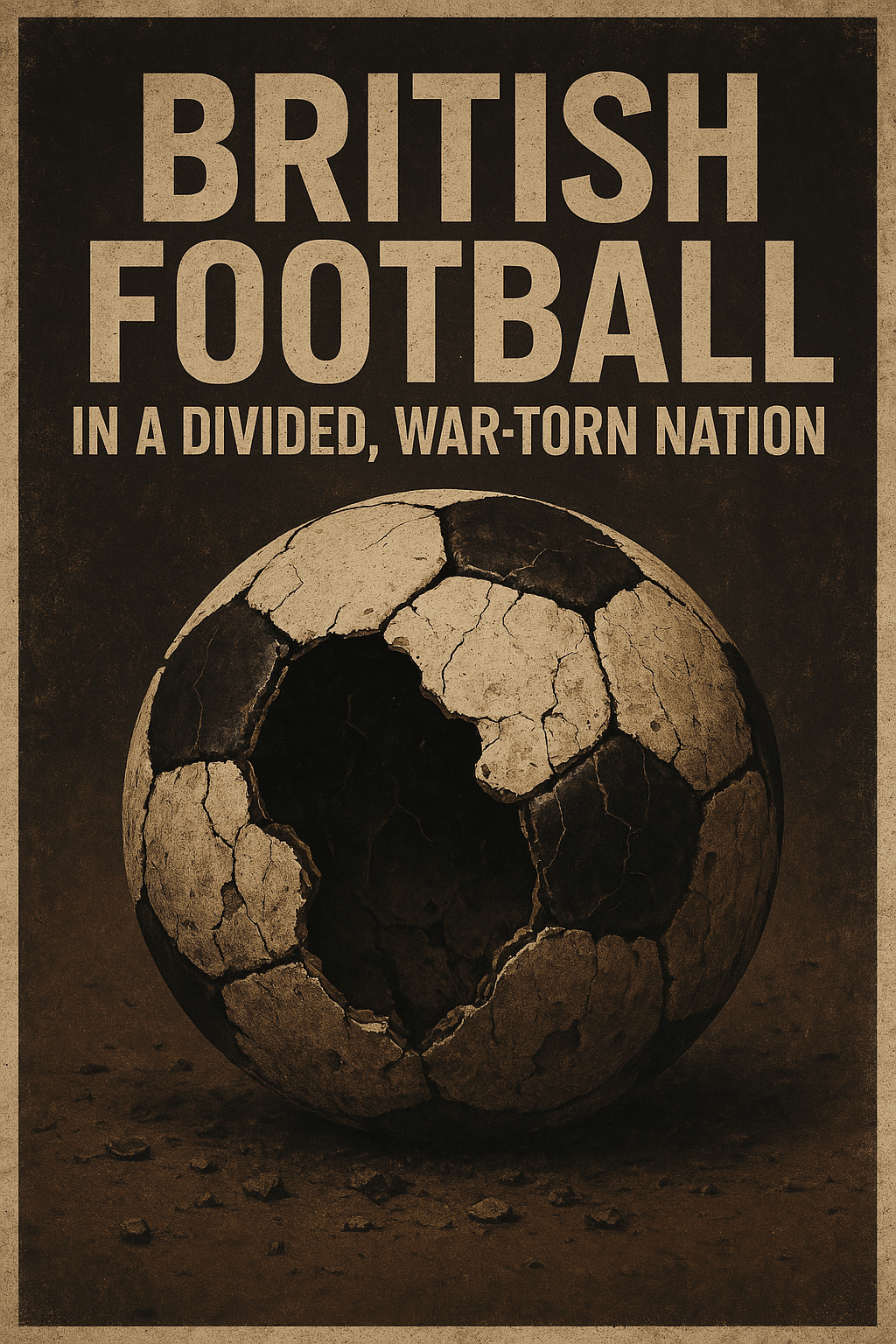
The Broken Game: British Football After the Fall
Once, football defined Britain. Now, it reflects what Britain has become— Fragmented, grieving, yearning for a second half that may never come.
-
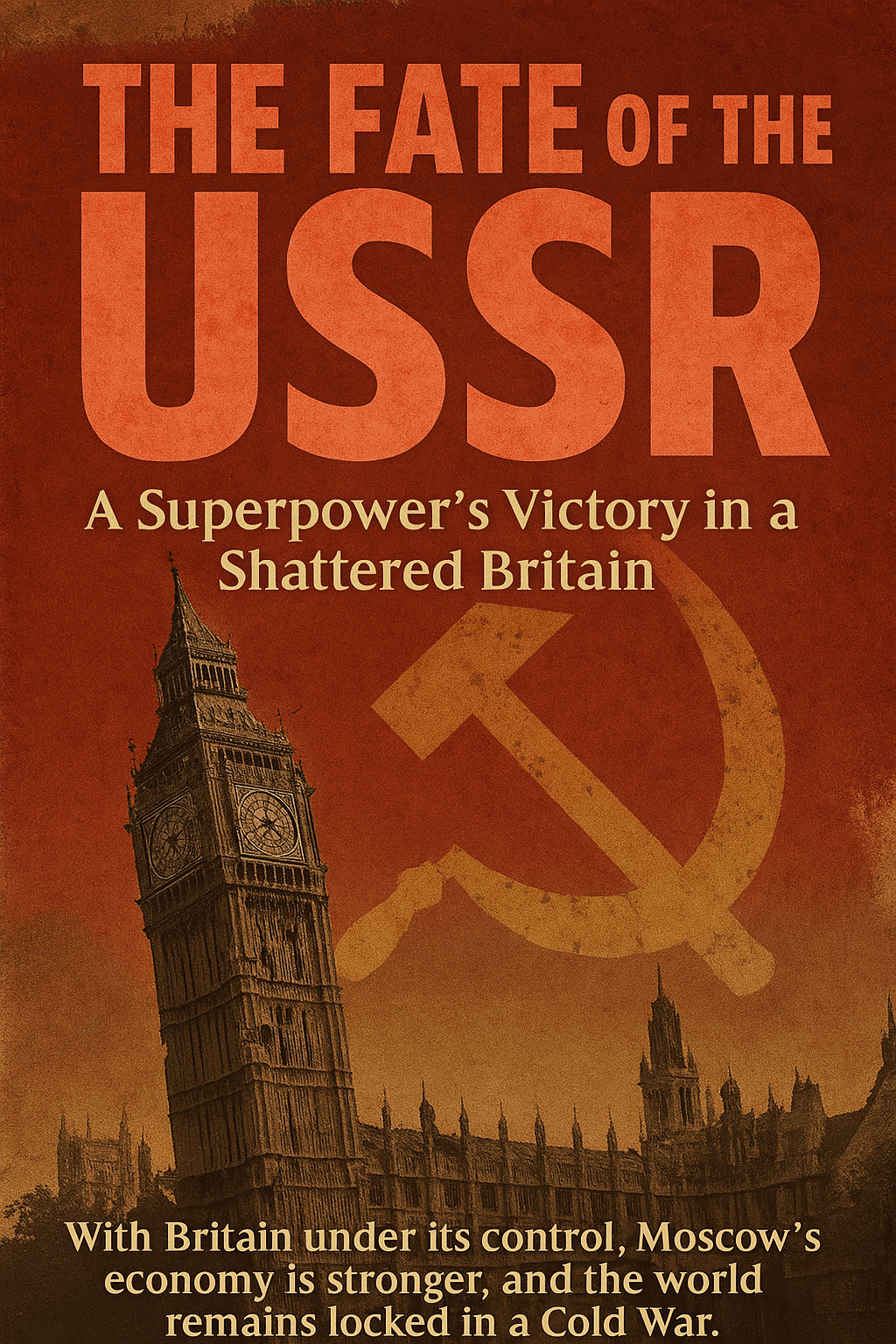
The Fate of the USSR: A Superpower’s Victory in a Shattered Britain
In this timeline, the Soviet Union does not collapse in 1991. In fact, the British Civil War of the 1980s accelerates the decline of the West while strengthening Moscow’s position. Without Britain as a stable NATO ally, the balance of power in the Cold War shifts in favor of the USSR, delaying or even preventing…
-
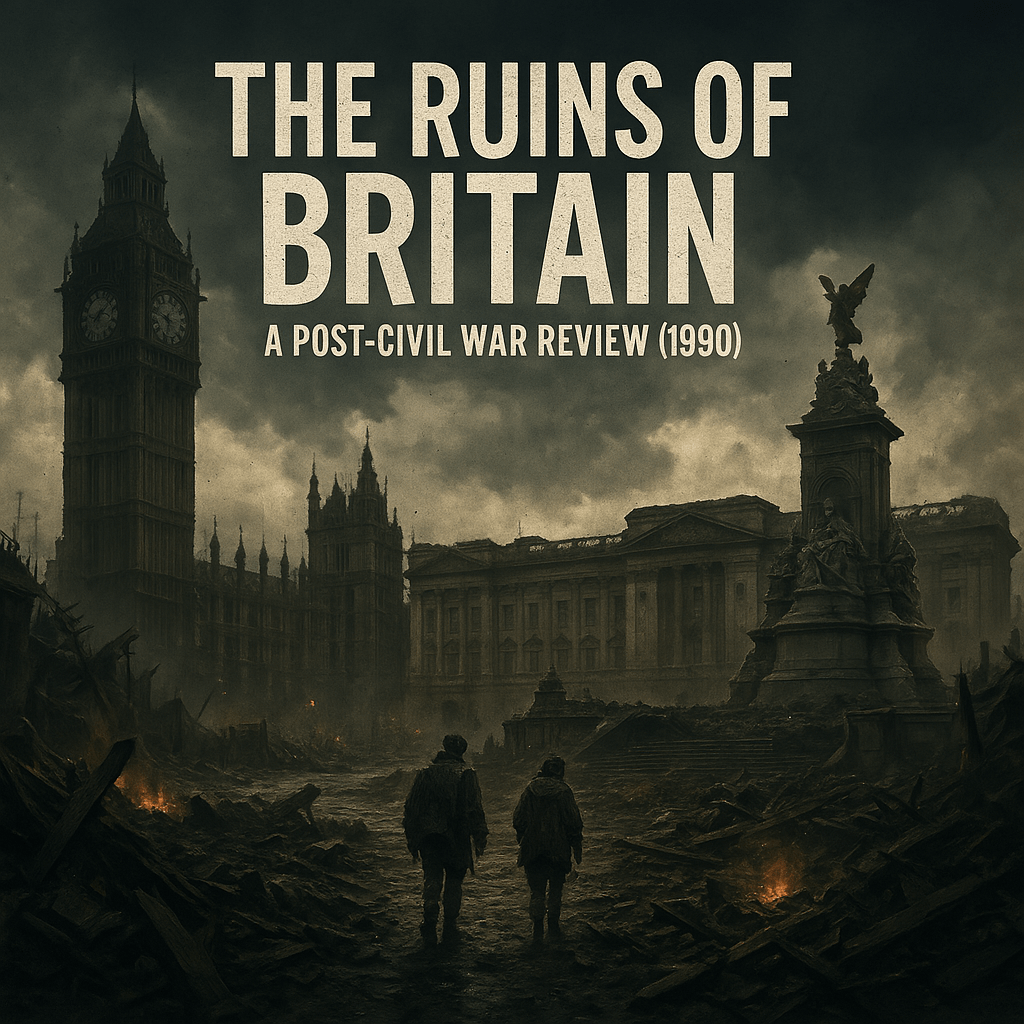
The Ruins of Britain: A Post-Civil War Review (1990)
In the ashes of empire and monarchy, Britain stands broken—no longer a nation, but a question mark haunting the edge of a lost century.
 What If: The Archive