Category: The Third Flame: From Mexico’s Red Dawn to Latin America’s Ashes (1942–2000)
-

The Children of the Torn Continent: Latin America’s Search for Wholeness in the 21st Century
Because in the end, memory is not the past.
-
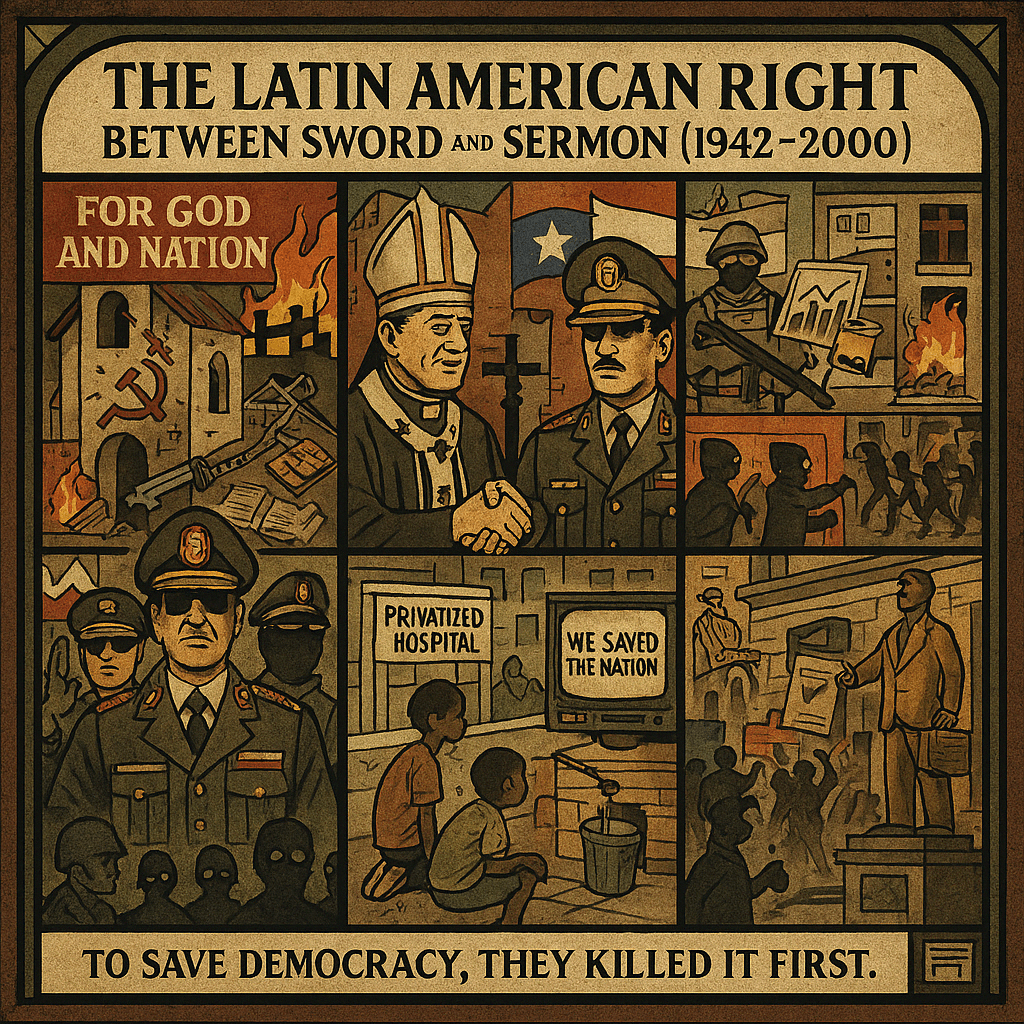
The Latin American Right (1942–2000): Between Sword and Sermon
In the end, the Right didn’t win—it outlasted.
-
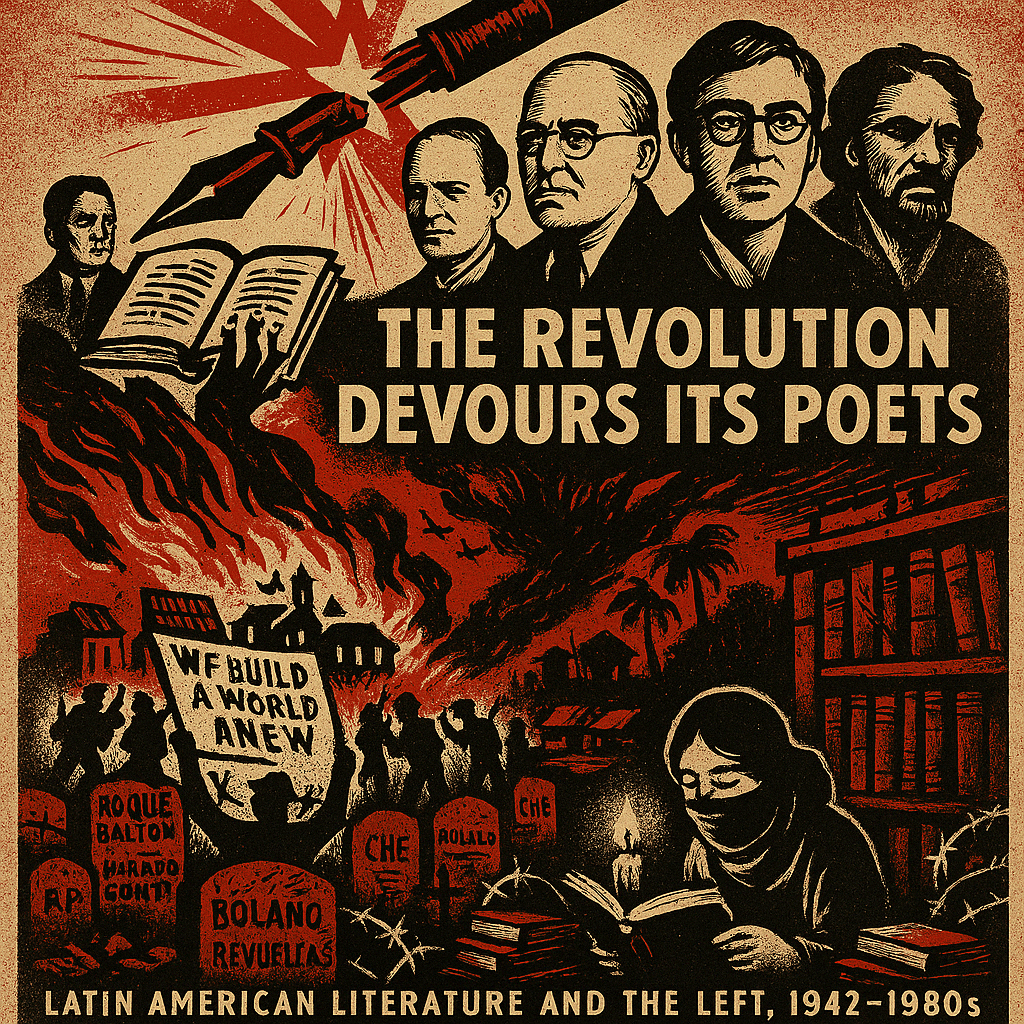
The Impact of Leftist Wars on Latin American Literature (1942–1980s): From Revolutionary Dreams to Disillusionment
By the 2000s, Latin American literature no longer “belonged” to the left—it had become a voice of resistance against all forms of oppression.
-
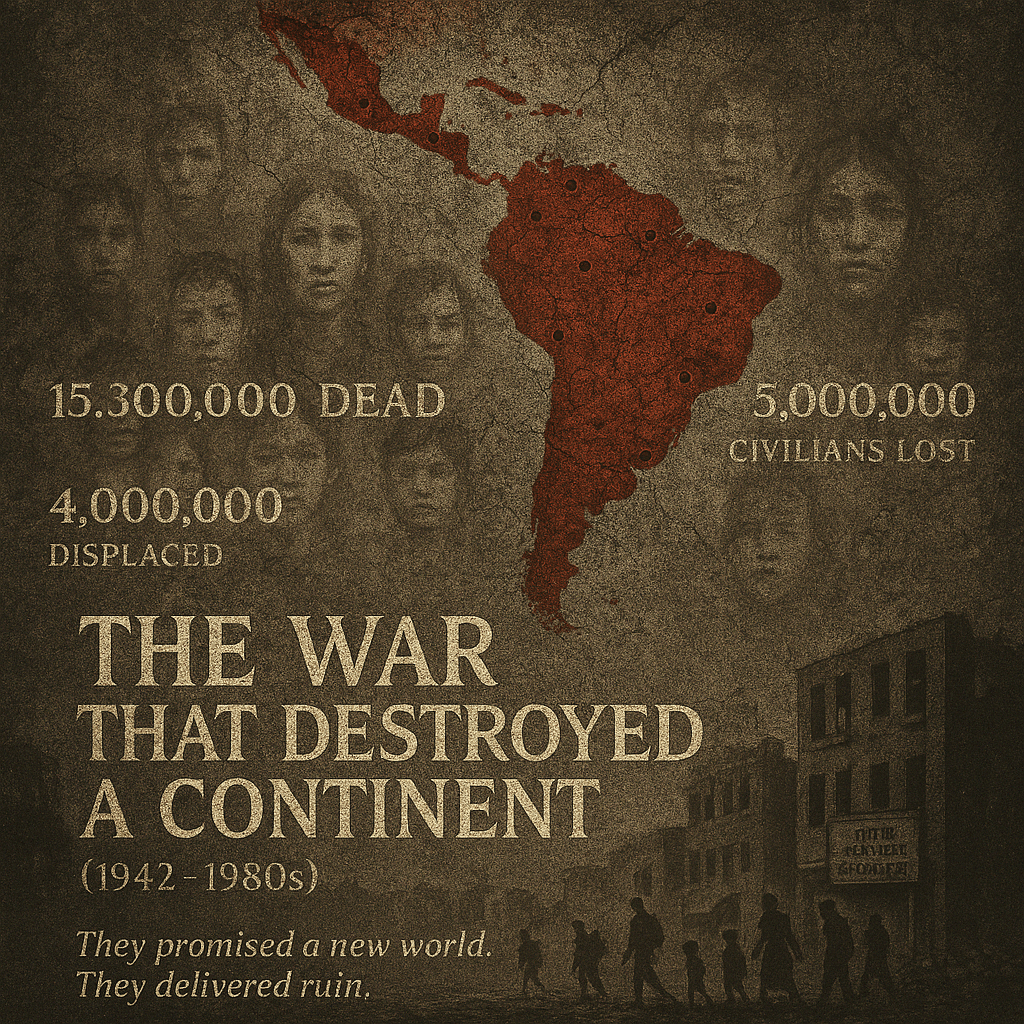
The Cost of Decades of Leftist Wars in Latin America (1942–1980s): Socioeconomic Collapse and Human Toll
By 2000, Latin America was a region haunted by the ghost of socialism—a continent where revolution had promised utopia, but only delivered bloodshed.
-
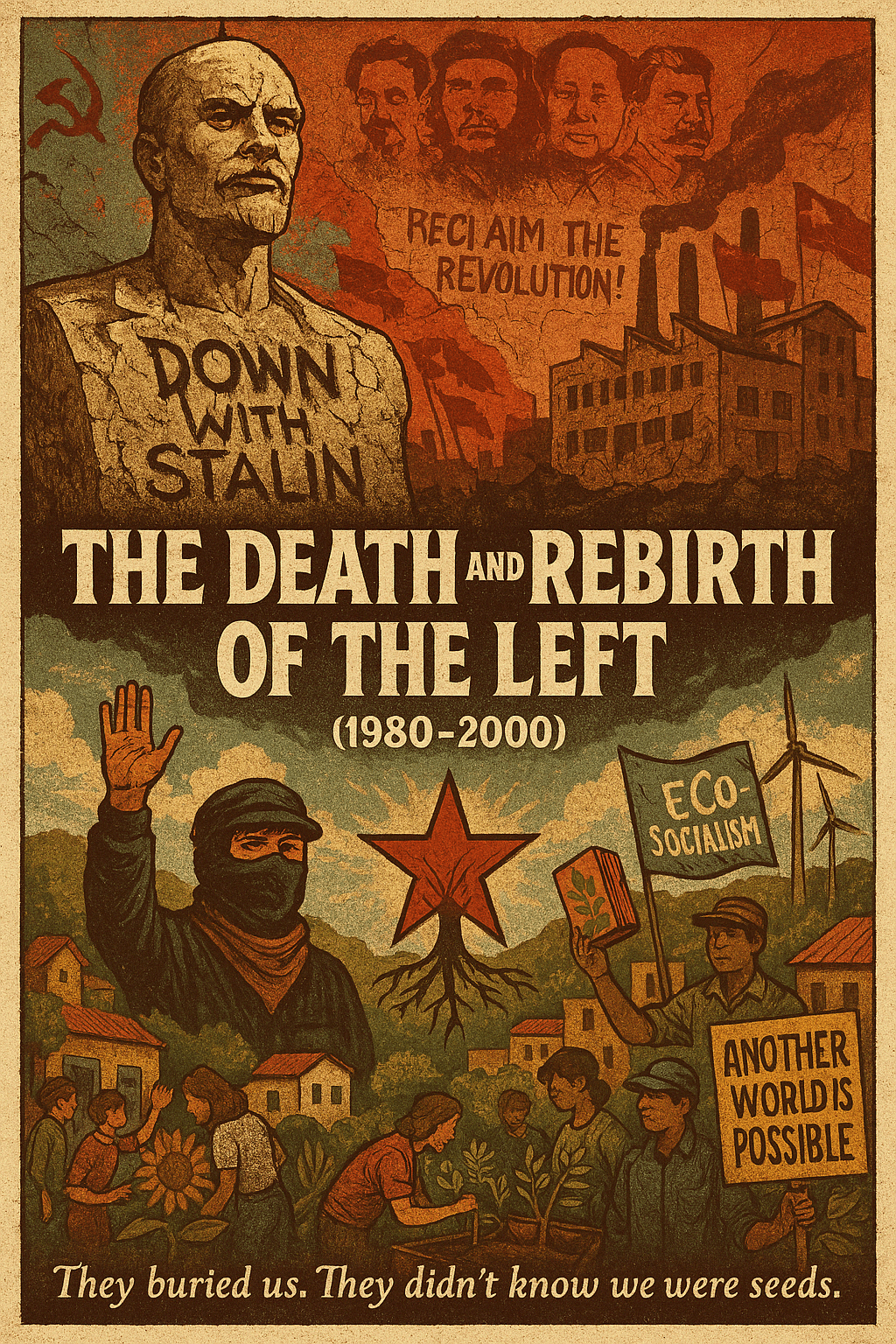
The Death and Rebirth of the Left: 1980–2000
By the year 2000, the global left was unrecognizable from its Cold War past.
-
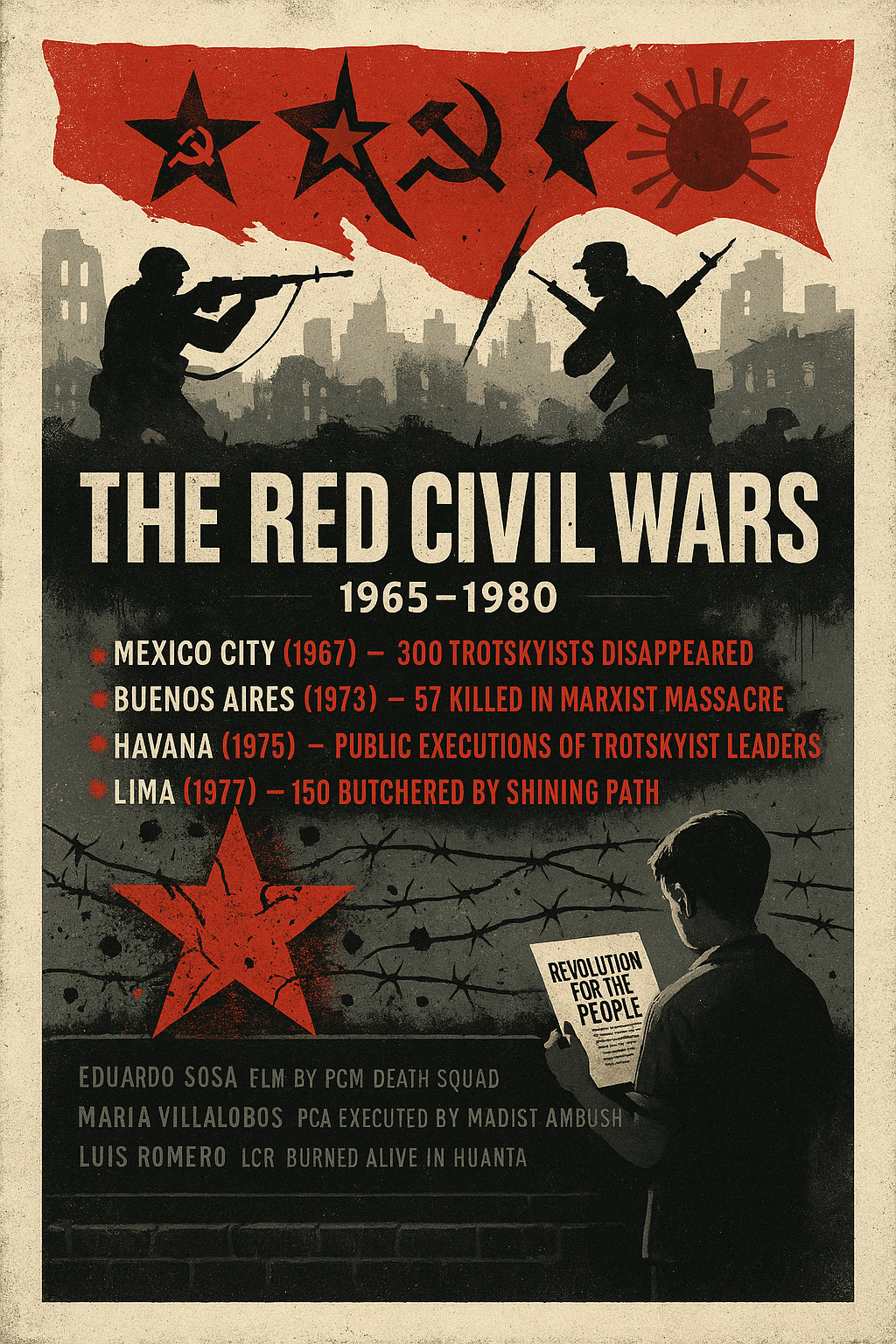
The Red Civil Wars: How Leftists Killed Each Other More Than They Fought Capitalism (1965–1980)
By the mid-to-late 20th century, the global leftist movement had fractured into multiple competing factions, each claiming to be the “true” path to communism. Trotskyists, Stalinists, and Maoists fought each other more viciously than they fought capitalism, with ideological purity tests turning into bloody purges, guerrilla wars, and assassinations.
-
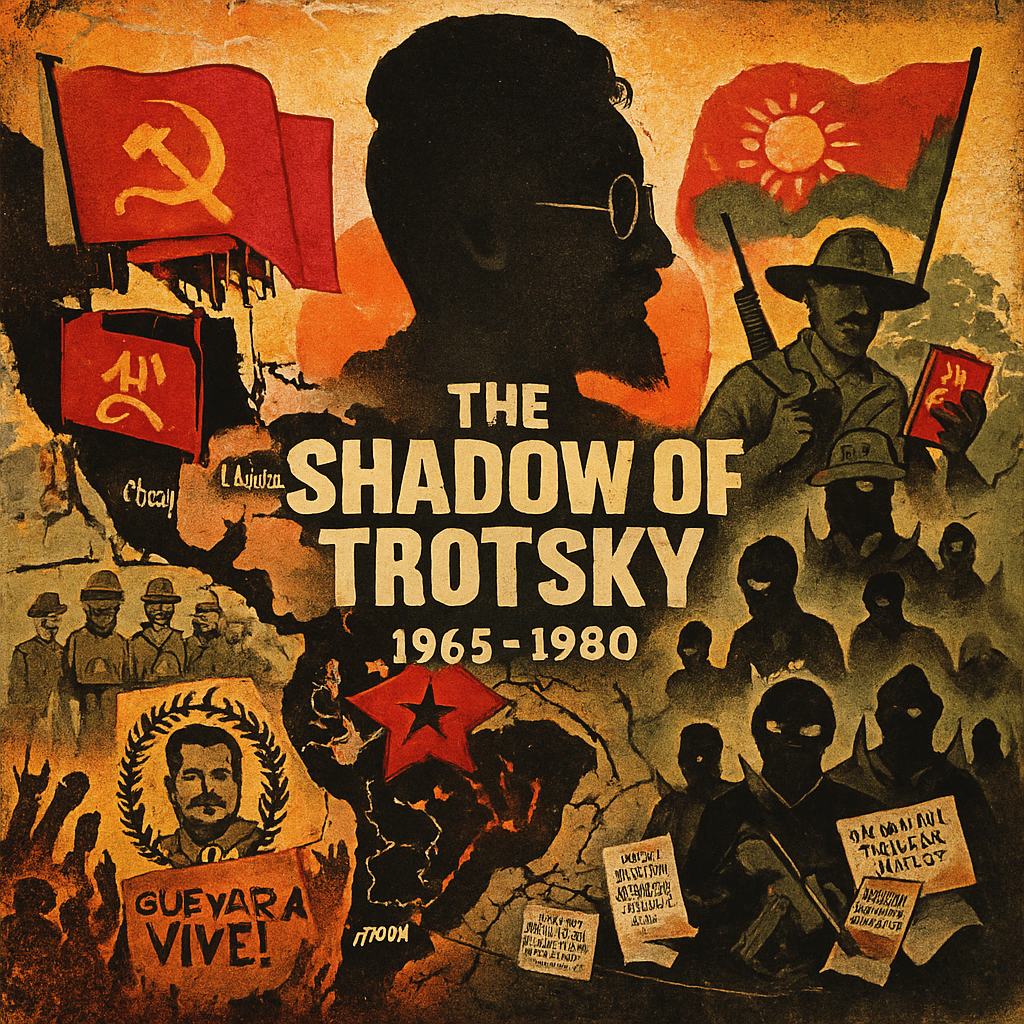
The Shadow of Trotsky: Latin America and the Leftist World (1965–1980)
By the mid-1960s, Latin America had become the primary Cold War battleground for socialist revolution.
-

The Ghost of Trotsky: Mexico and the Struggle for Latin America (1950–1965)
By 1965, Mexico was still reeling from its communist past, while Trotsky’s name became a symbol of defiance across the world. The battle between revolutionary socialism and American imperialism was far from over.
-
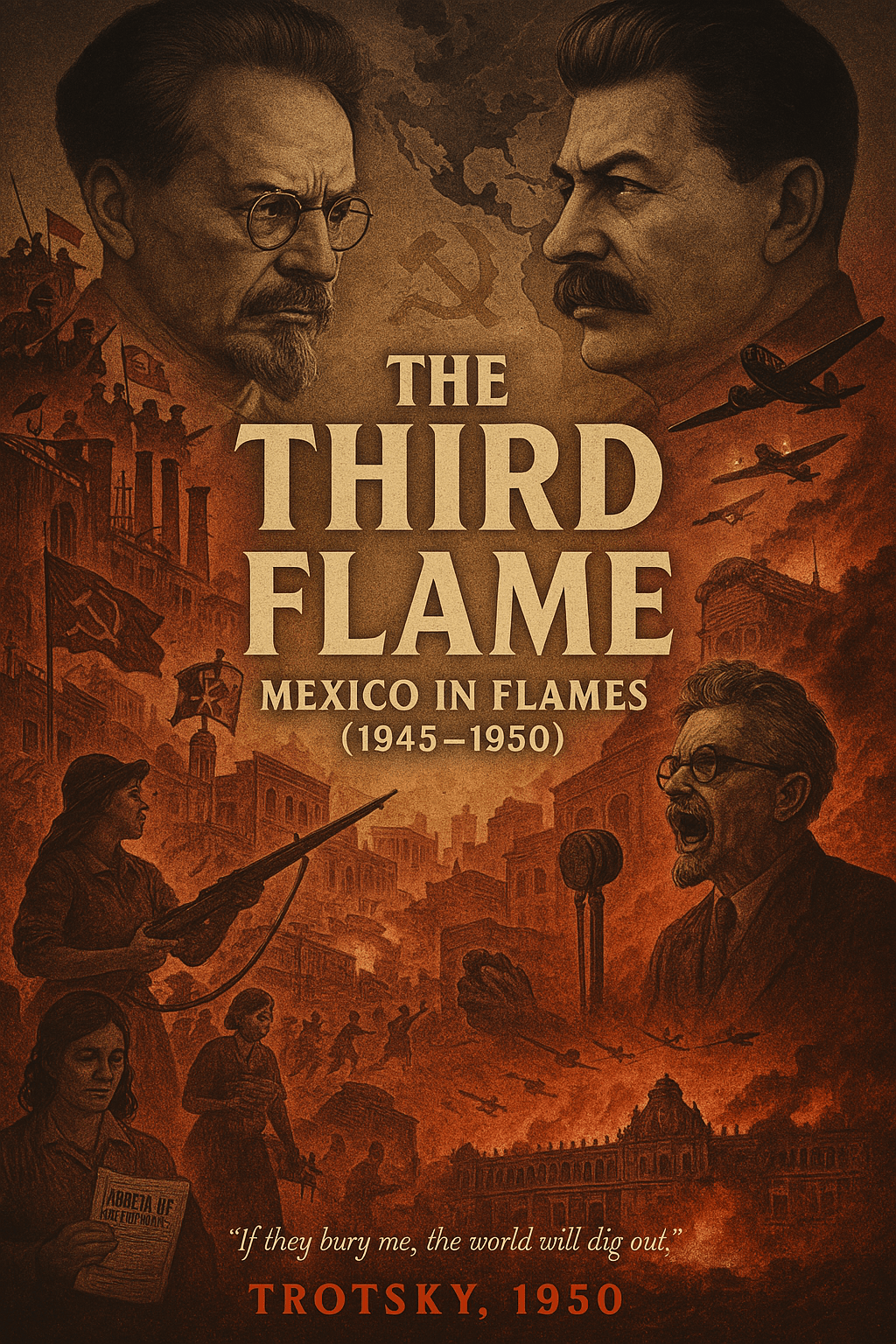
The Cold War’s First Battlefield: Mexico in Flames (1945–1950)
“We have lit the flame of revolution. If they bury me, the world will dig me out. No force, not Stalin, not America, will stop the march of the working class.”
-
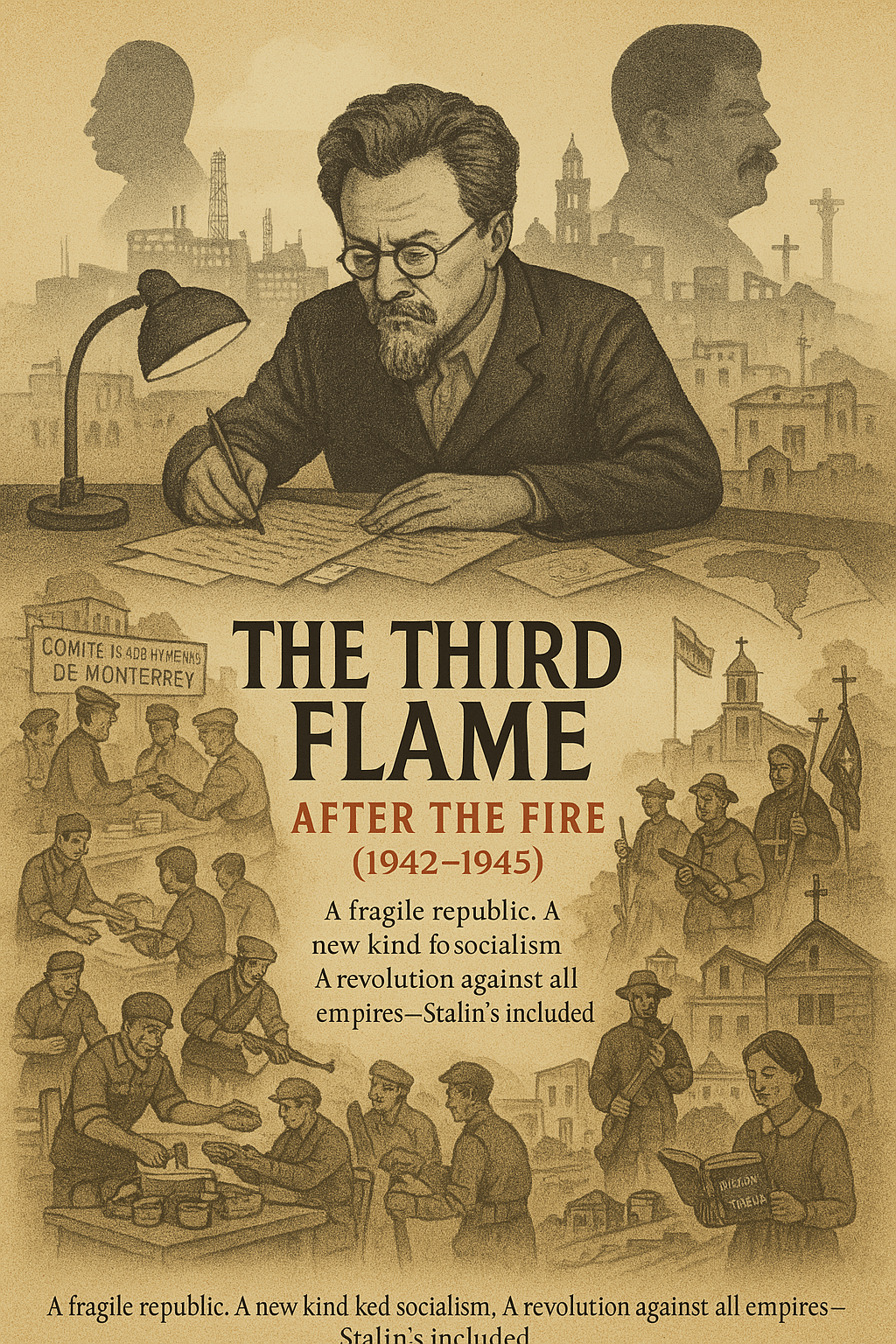
Trotsky’s Struggle to Stabilize Revolutionary Mexico (1942–1945)
Leon Trotsky’s sudden rise to power in 1942 left Mexico in a state of upheaval. Unlike Stalin’s Soviet model, Trotsky’s vision of socialism rejected bureaucratic authoritarianism and emphasized workers’ democracy, decentralized economic planning, and international revolution. However, maintaining his rule and improving Mexicans’ livelihoods in the face of economic disarray, U.S. hostility, and Stalinist subversion…
 What If: The Archive