Category: Hidden Memories of Parallel Times
-
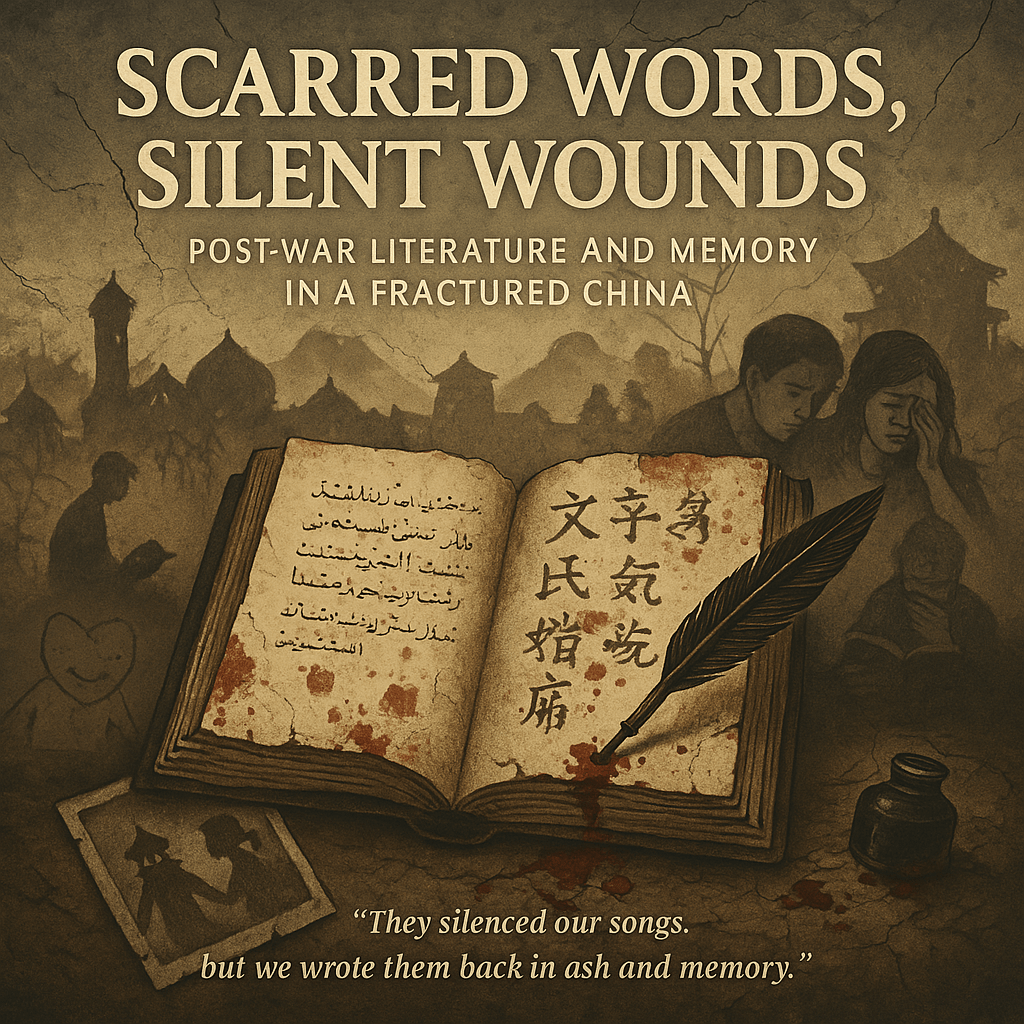
Scarred Words, Silent Wounds: Post-War Literature and Memory in a Fractured China
Scarred memory literature in post-war China becomes a powerful medium for processing the trauma of the Huang-Han era. Through vivid storytelling and poignant themes, these works memorialize the suffering of minorities, examine the failures of ethnonationalism, and offer a vision of a more inclusive, united future.
-
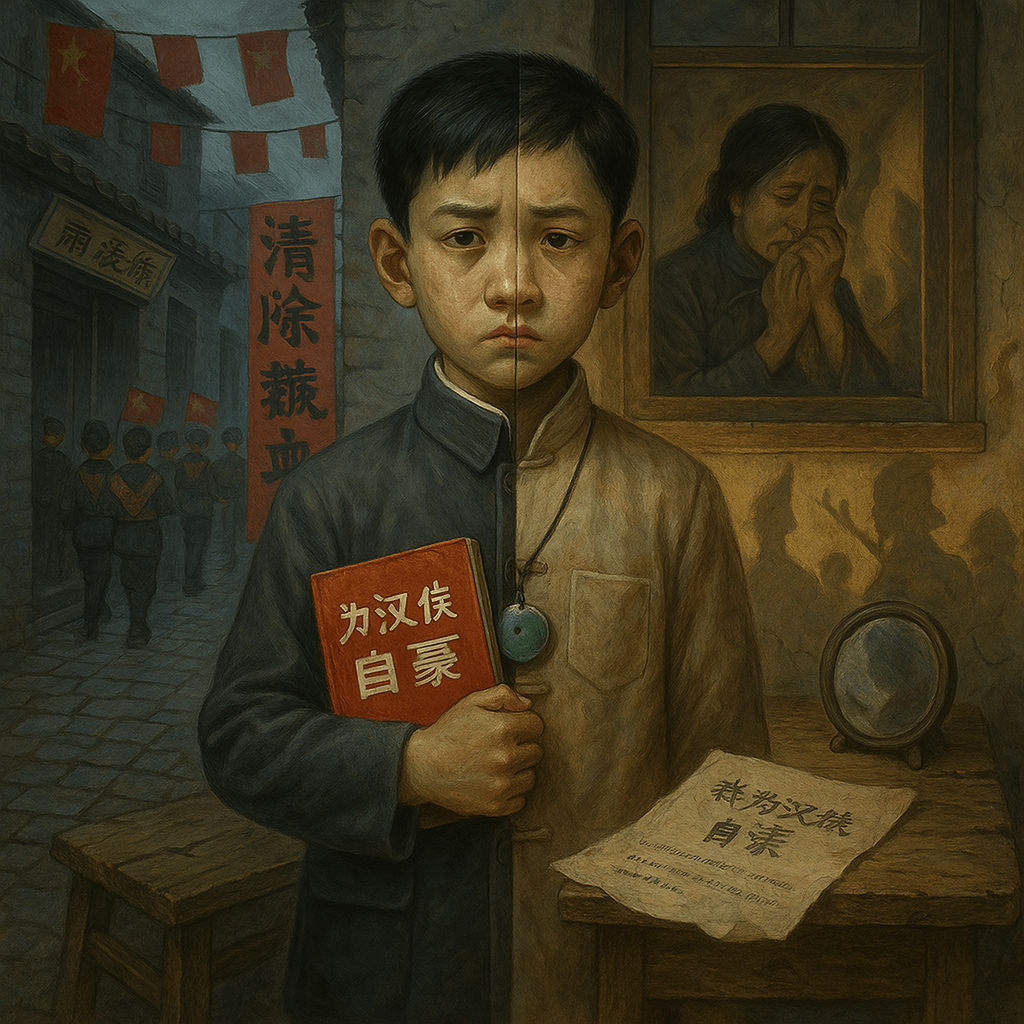
Half of Me in Hiding: A Boy Between Bloodlines
明启的故事是这个时期无数混血孩子的缩影。在汉族至上的社会环境中,他们的身份被强行二元化,无法拥抱自己的全部。而这份身份的撕裂,也象征着一个民族对自己多元历史的不接受与强行抹除。
-
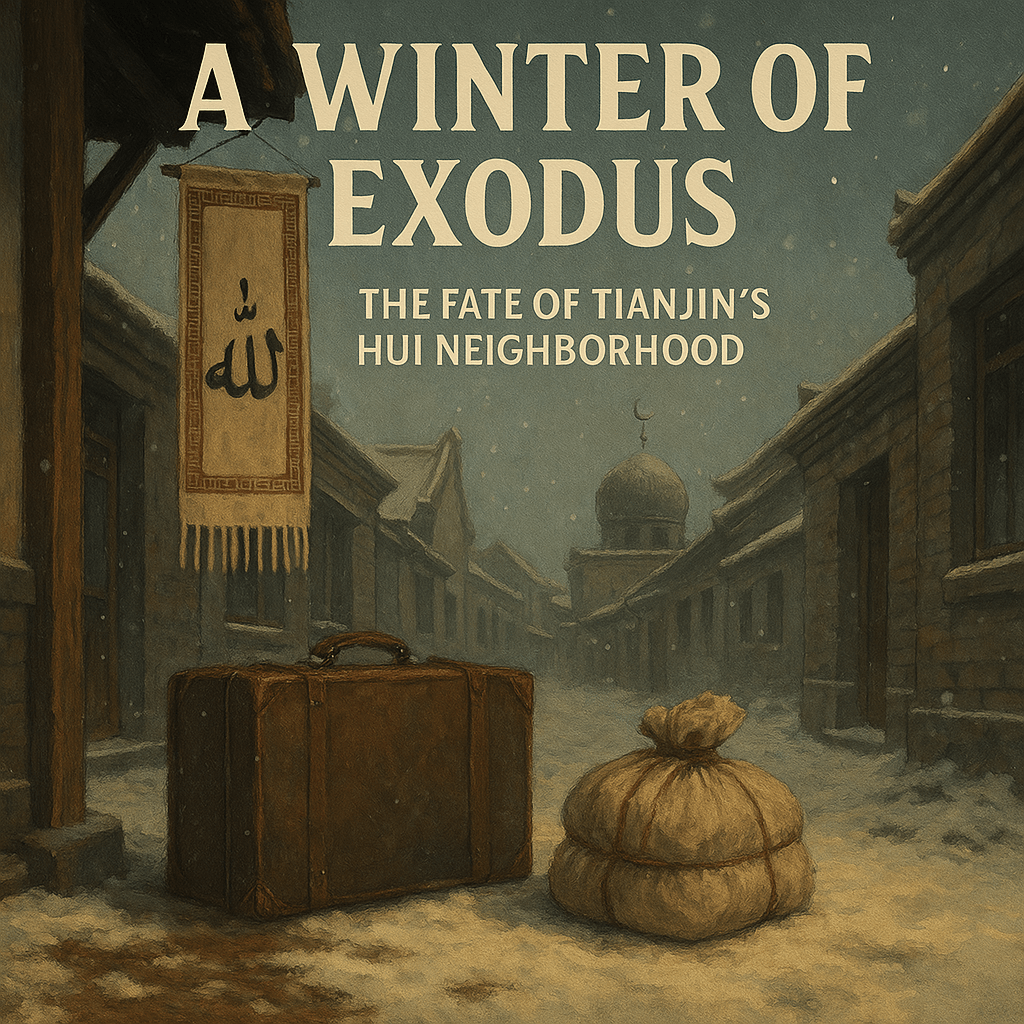
Winter 1913: The Displacement of Tianjin’s Hui Quarter
He once lit a fire here to cook for his neighbors. Now, not even the ashes remain.
-
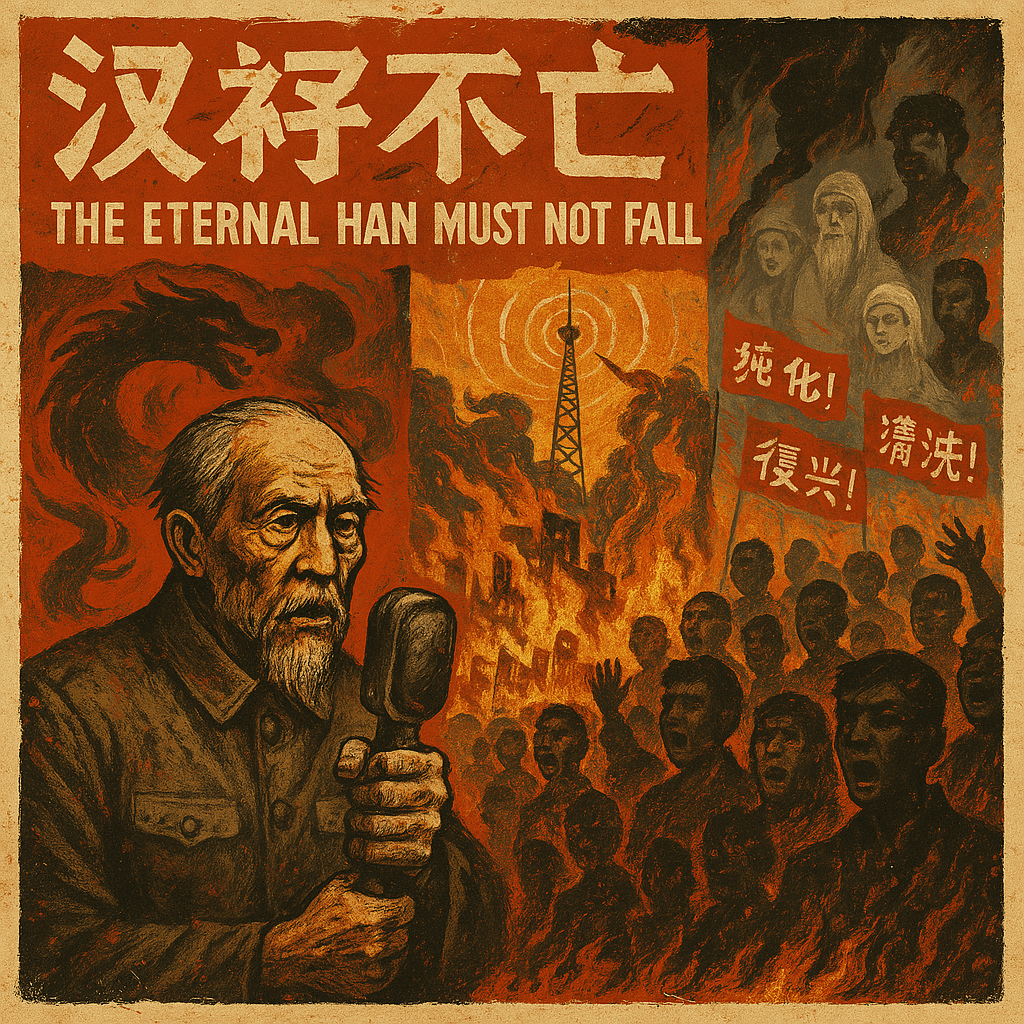
Zhang Binglin’s 1937 Podcast Speech After the Fall of Nanjing: A Huang-Hanist’s Last Stand
Just days after the fall of Nanjing to the Imperial Japanese Army, Zhang Binglin, the ideological architect of Huang-Hanism and a senior propaganda figure of the collapsing regime, delivers a desperate speech via radio broadcast. The speech, similar in tone to Joseph Goebbels’ “Total War” speech in 1943, is filled with racial scapegoating, conspiracy theories,…
-

Zhang Binglin: Architect of Ethnic Nationalism, Prophet of Collapse
Zhang Binglin’s legacy is one of paradox: a scholar who weaponized identity, a revolutionary who became the architect of reaction, a man who dreamed of unity but delivered division. Under Communist rule, he is remembered as a cautionary tale—the mind behind a nationalism that promised revival but delivered ruin.
-
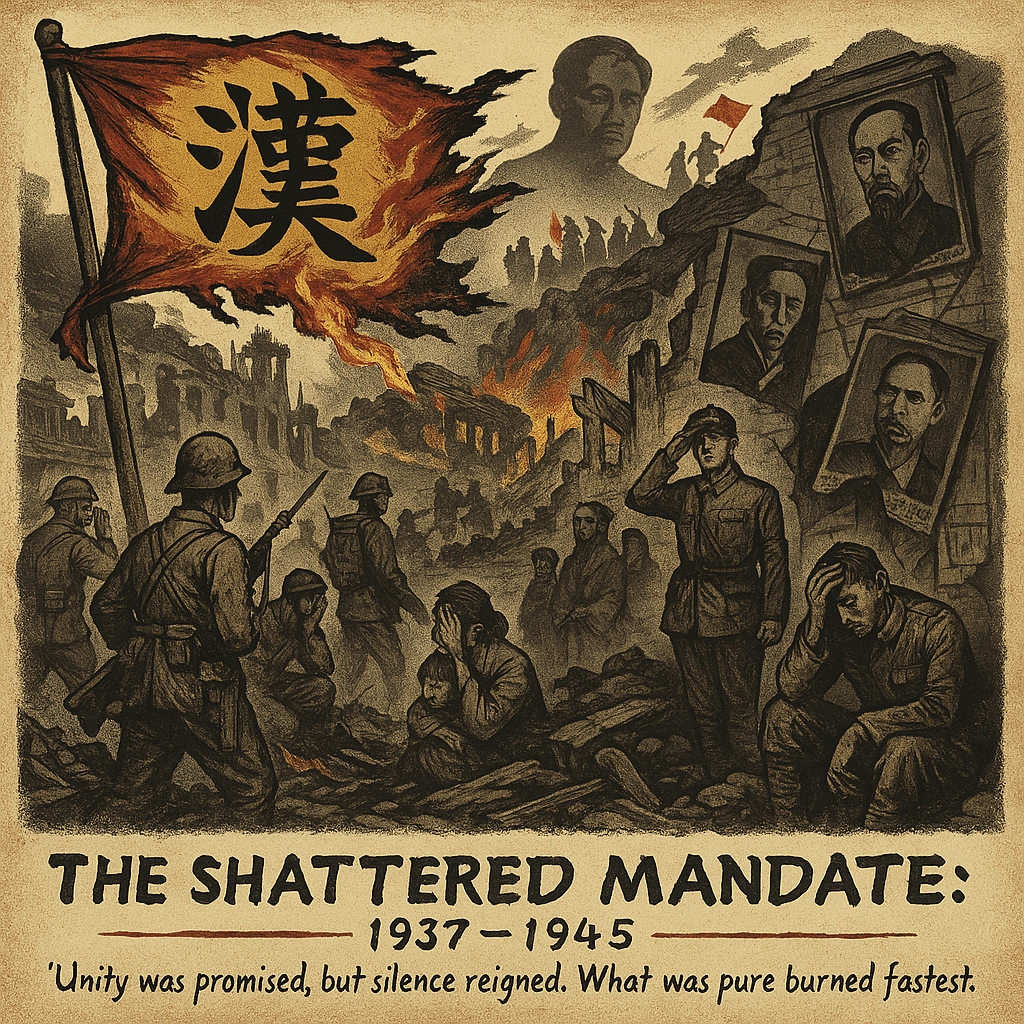
The Fate of the Huang-Han Regime During the Second Sino-Japanese War (1937–1945)
“When the enemy came, the people looked away—not out of fear, but out of faith long broken.”
-
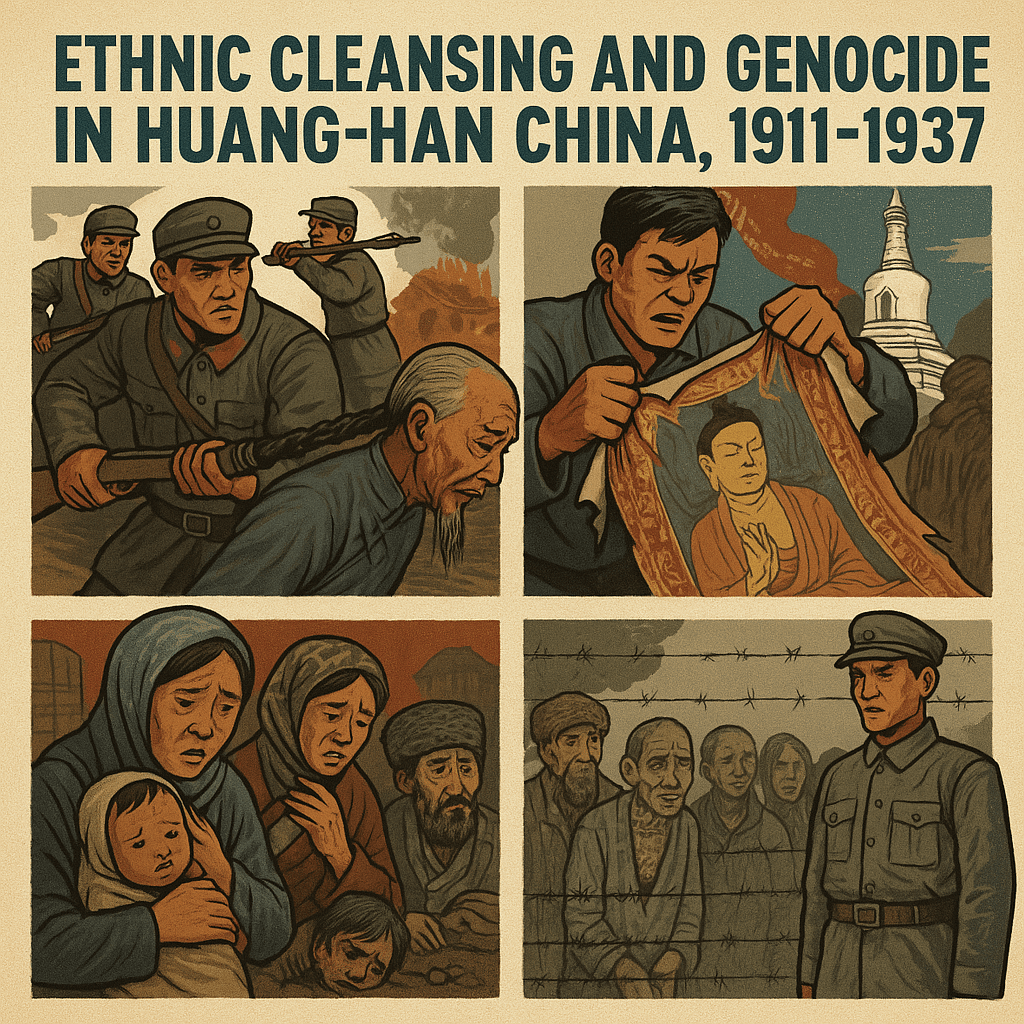
Ethnic Cleansing and Genocide in Huang-Han China (1911–1937)
In this alternate timeline, the Huang-Han regime’s rise to power is marked by systematic ethnic cleansing, forced assimilation, and cultural genocide targeting non-Han ethnic groups within China’s borders. The Huang-Han state’s policies, motivated by Han supremacist ideology, escalate throughout the 1911–1937 period, with devastating effects on the minority populations. Below is a timeline of key…
-
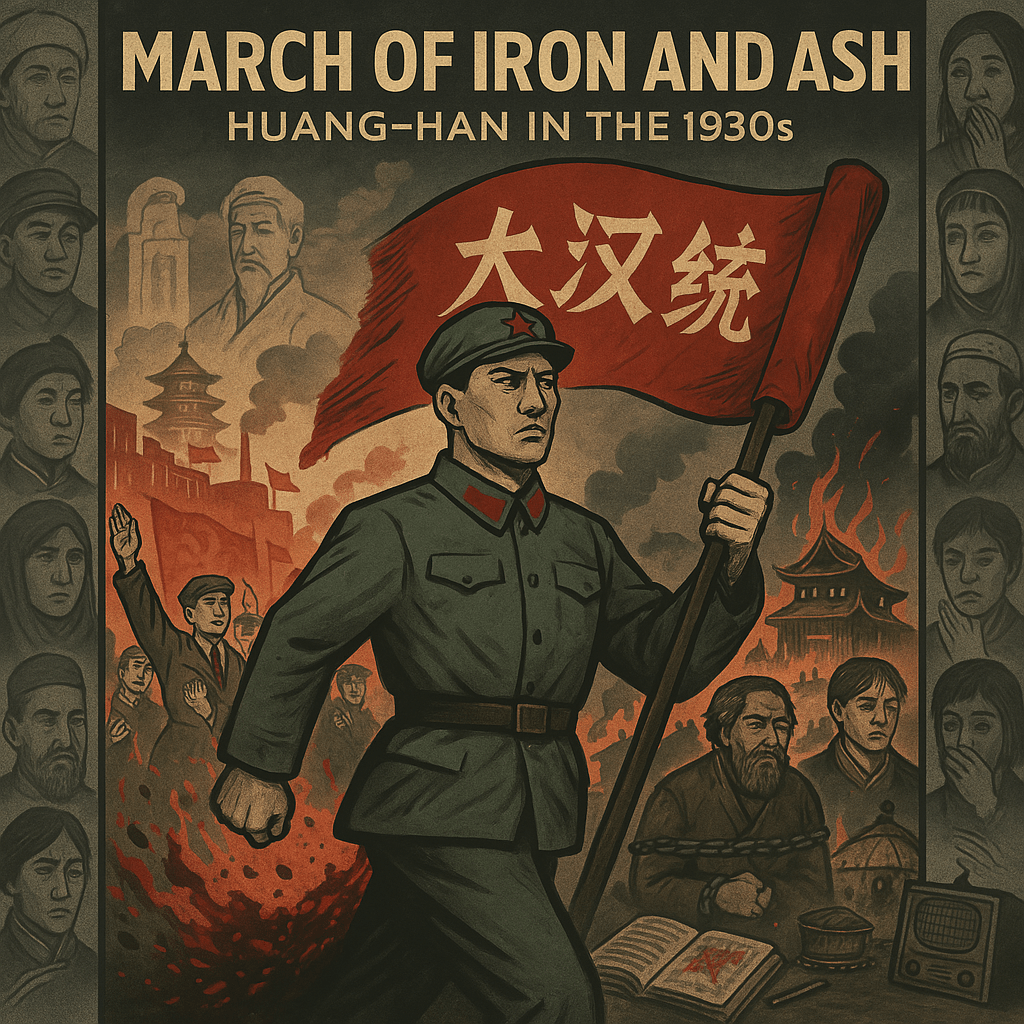
1930s in Huang-Han China: The March Toward Consolidation and Collapse
By the 1930s, Huang-Han China has evolved into a fully authoritarian, ethnonationalist state dominated by Han supremacist ideology. However, this period also marks the height of its internal contradictions and external pressures, which increasingly threaten the regime’s fragile unity.
-
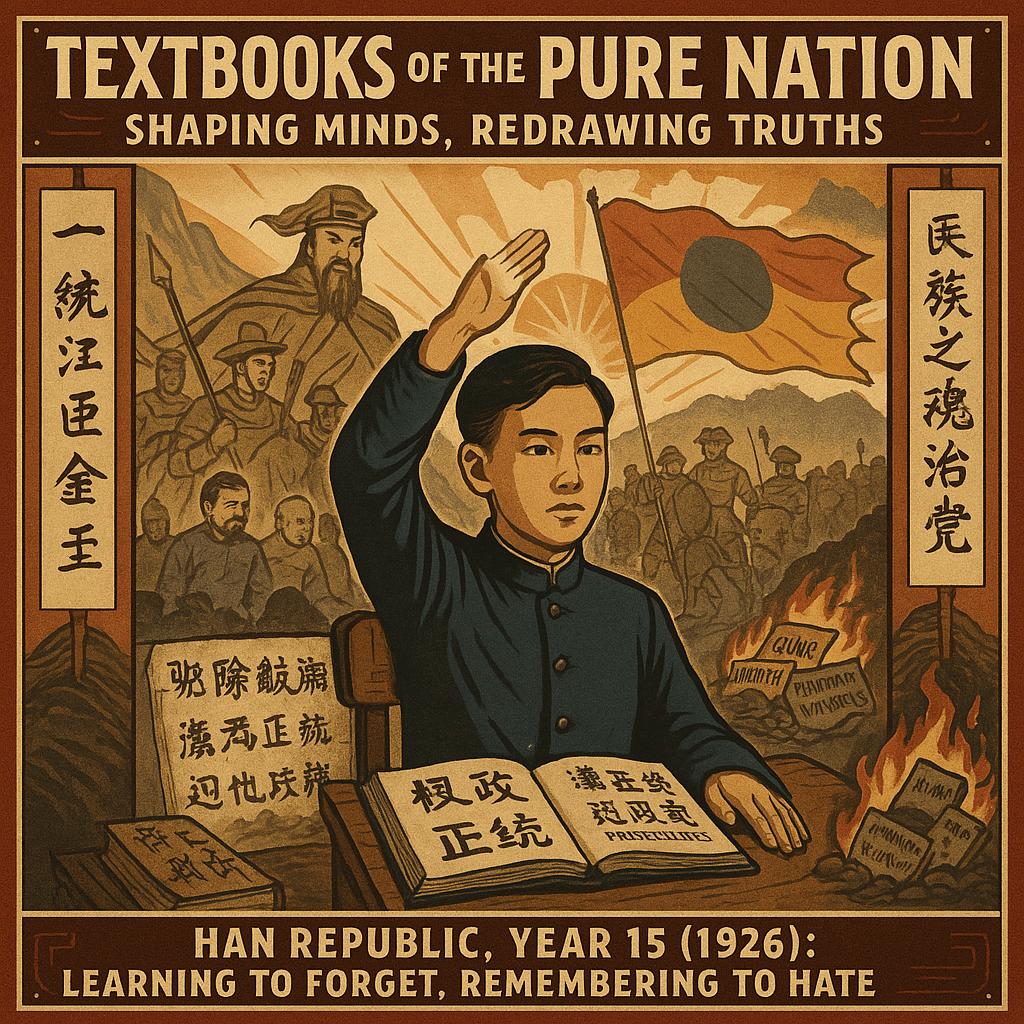
Textbooks of the Pure Nation: Shaping Minds, Redrawing Truths
These textbooks play a significant role in shaping the attitudes of young people in the 1920s. They create a generation of Han Chinese who see themselves as the rightful heirs of a great civilization, while viewing minorities and foreign powers with suspicion or hostility.
-
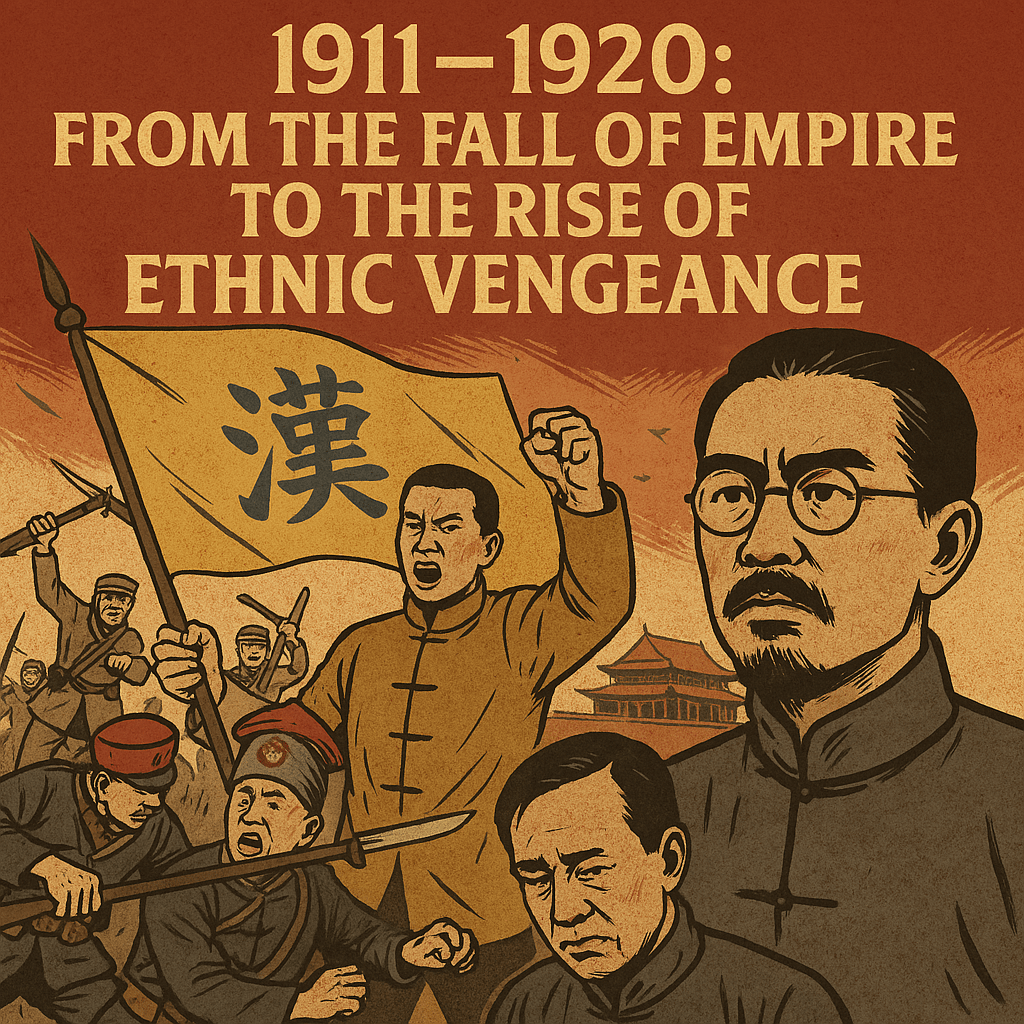
1911–1920: From the Fall of Empire to the Rise of Ethnic Vengeance
A decade when revolution devoured its own ideals, and unity was sacrificed at the altar of blood and identity.
 What If: The Archive