1911—The Qing falls, but not into Sun Yat-sen’s republic. In this timeline, Zhang Binglin rises instead, and with him, Huanghanism(皇汉主义)—a movement cloaked in purity, forged in pain. What begins as pride becomes exclusion; what promised unity ends in silence. The old empire dies, but in its ashes, something colder takes root.
Part I: History of the Huanghan State(1911-1949)
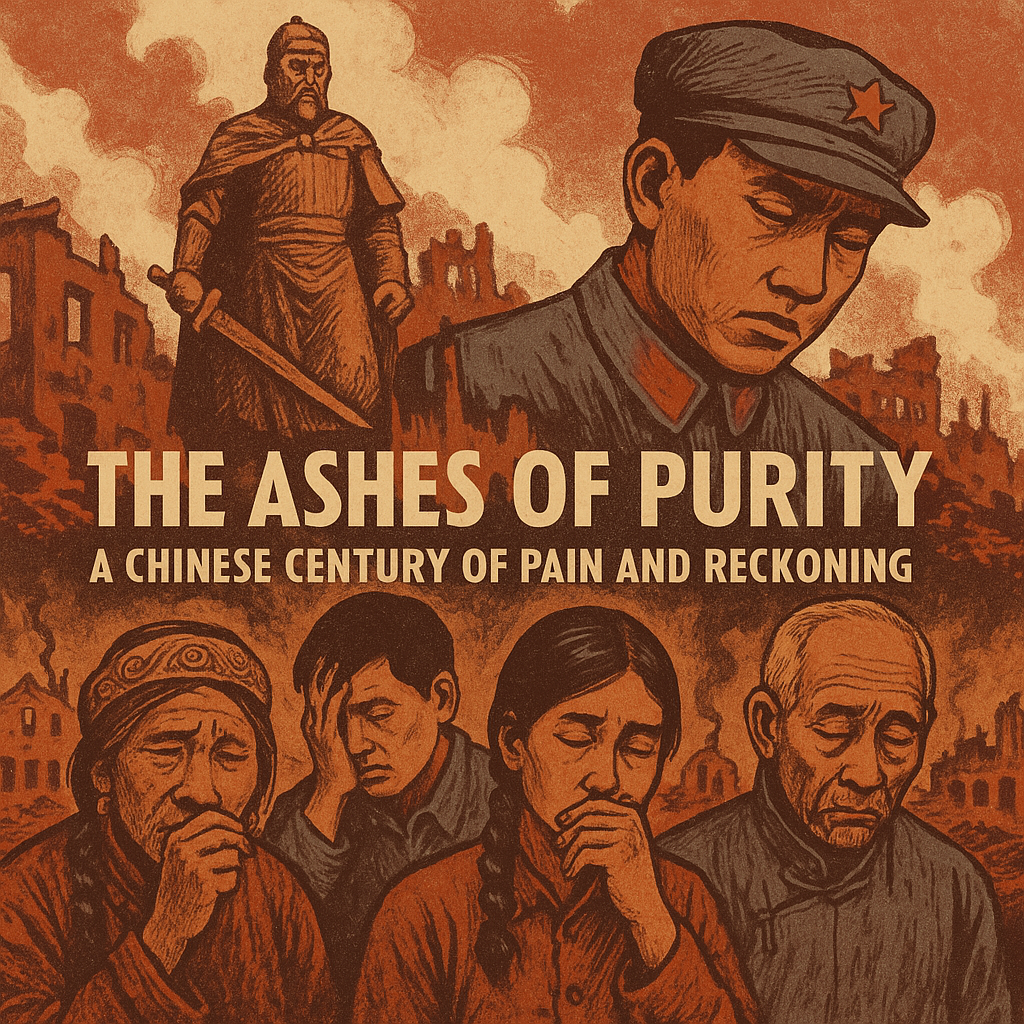
Introduction
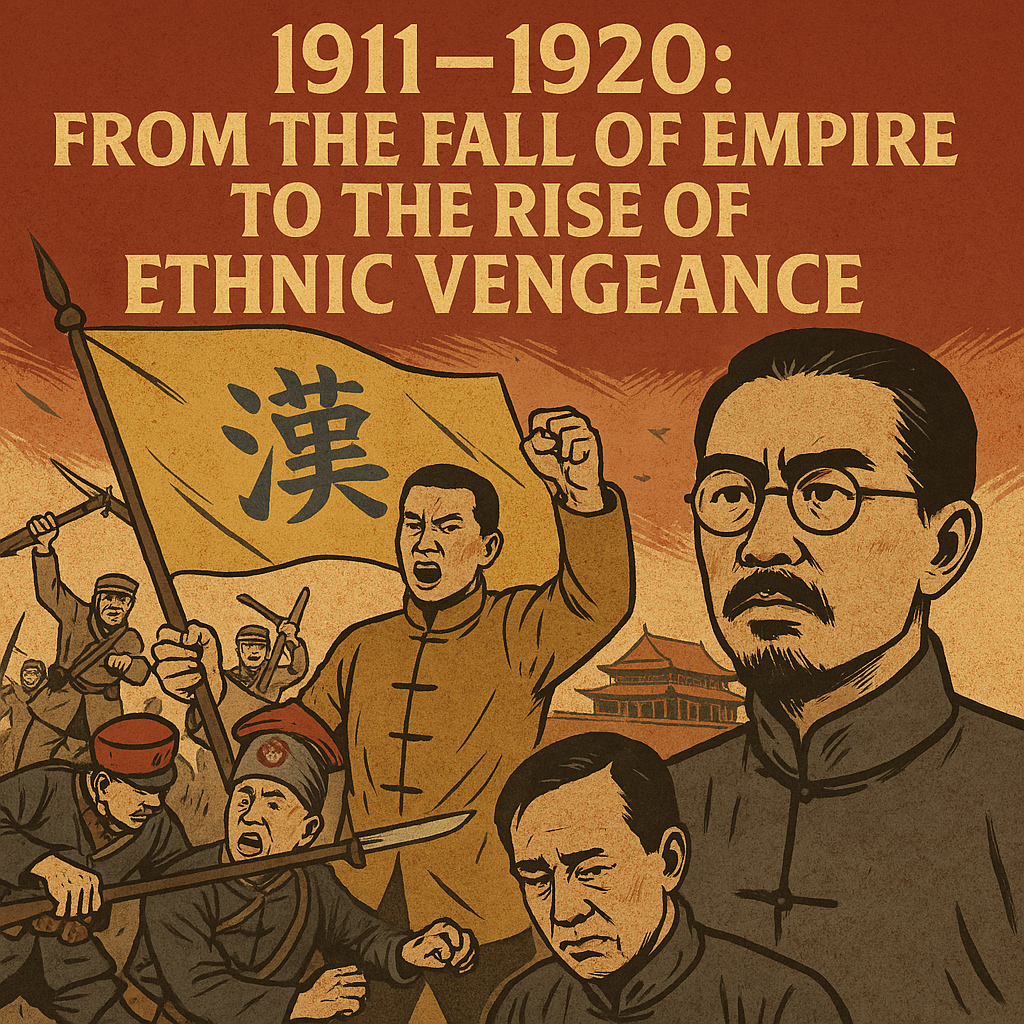
1911–1920: From the Fall of Empire to the Rise of Ethnic Vengeance
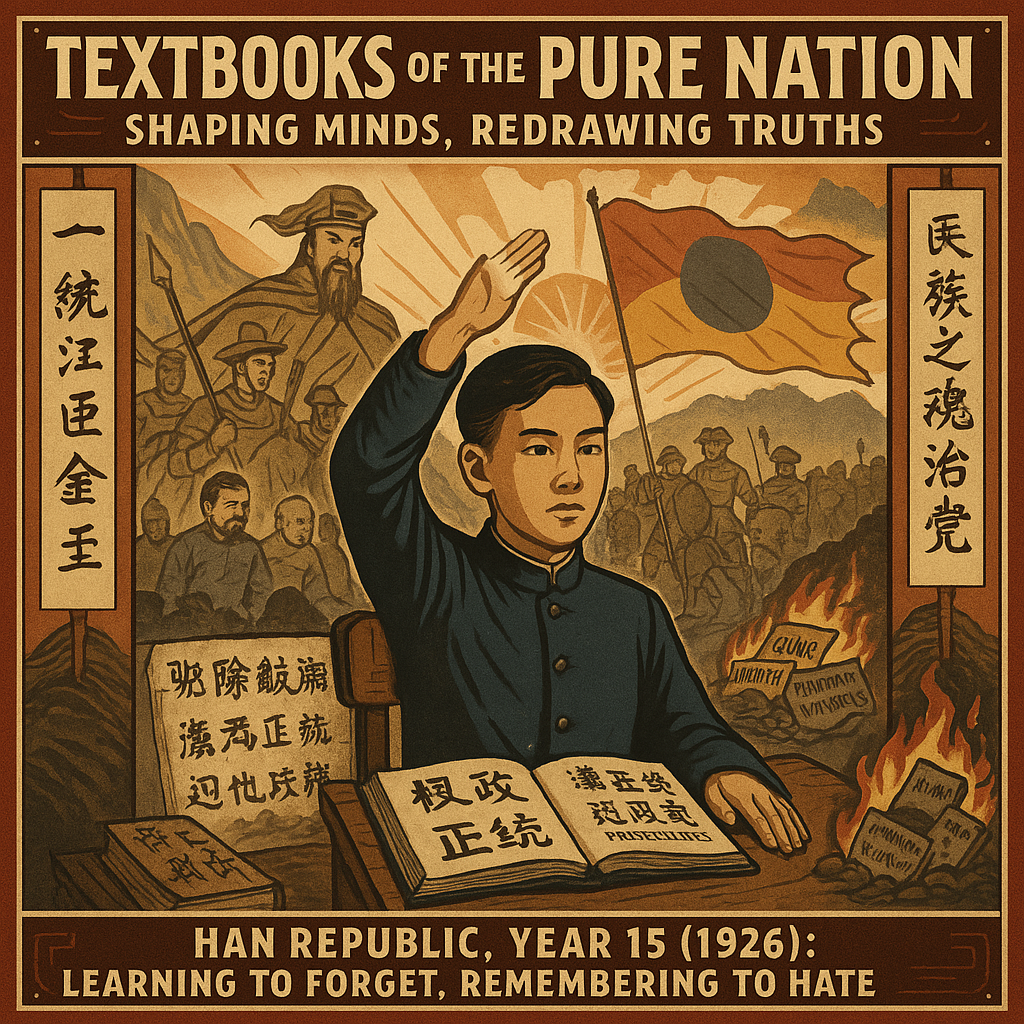
Textbooks of the Pure Nation: Shaping Minds, Redrawing Truths
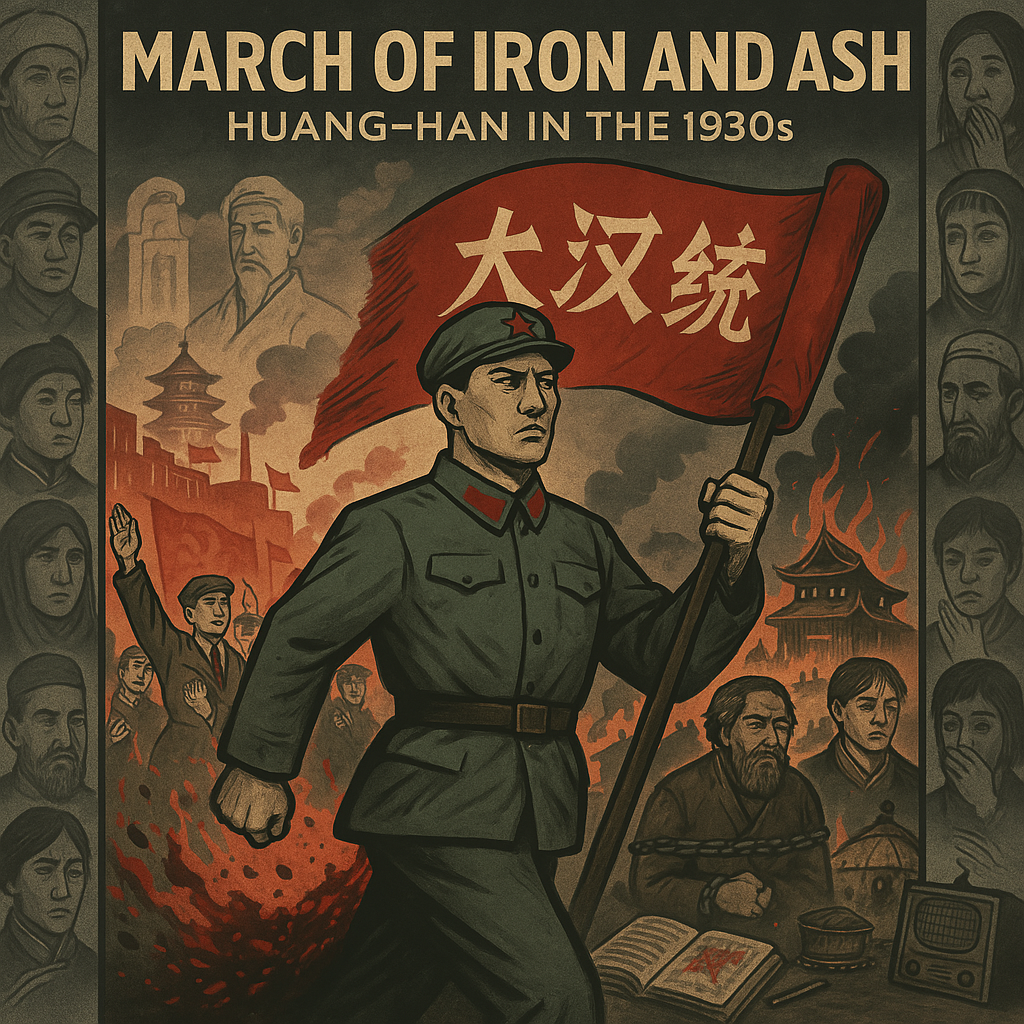
1930s in Huang-Han China: The March Toward Consolidation and Collapse
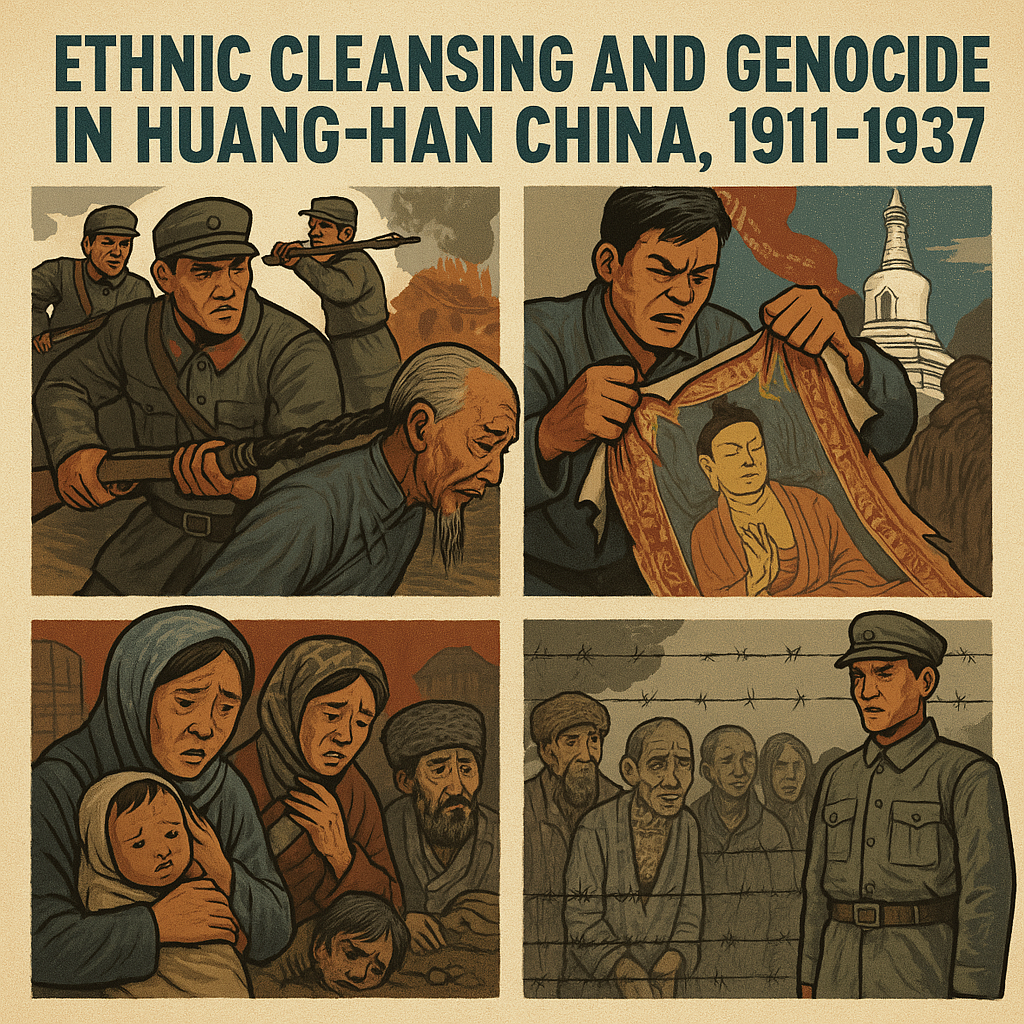
Ethnic Cleansing and Genocide in Huang-Han China (1911–1937)
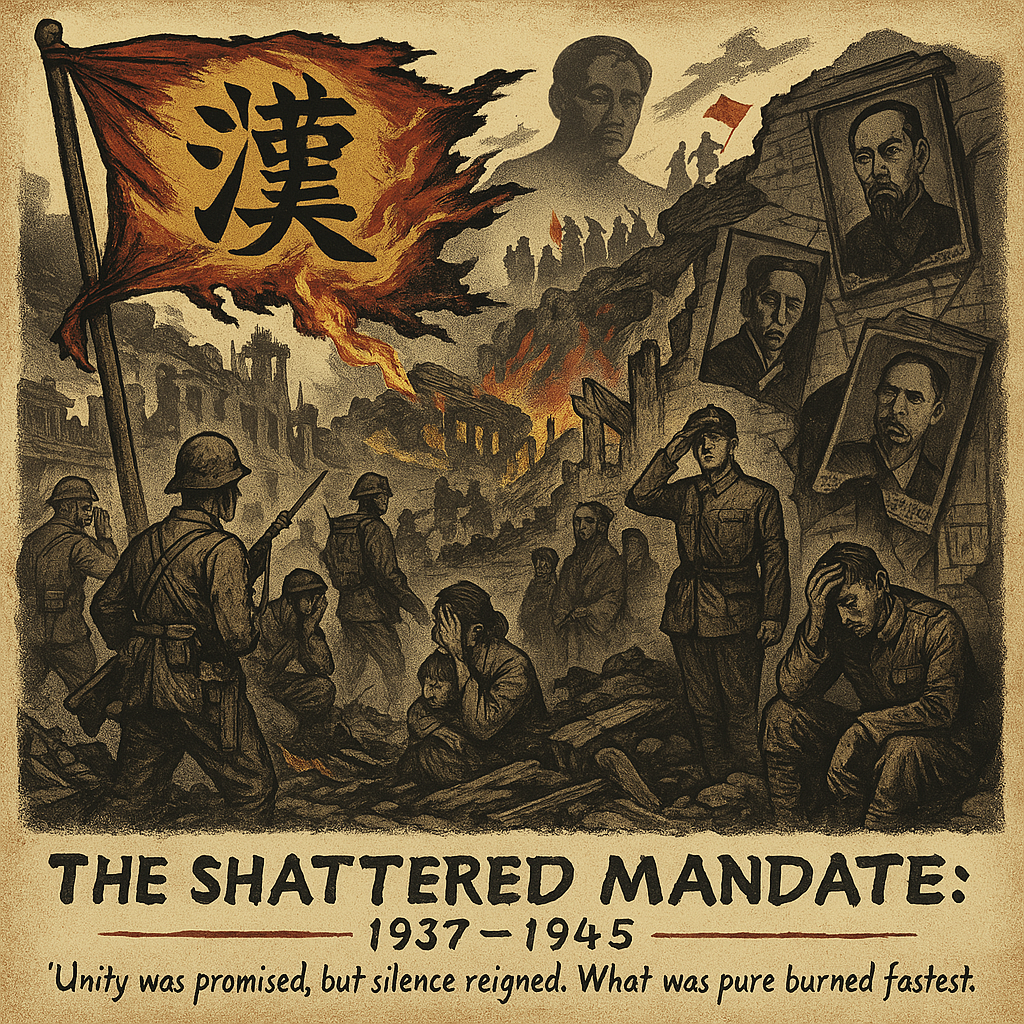
The Fate of the Huang-Han Regime During the Second Sino-Japanese War (1937–1945)
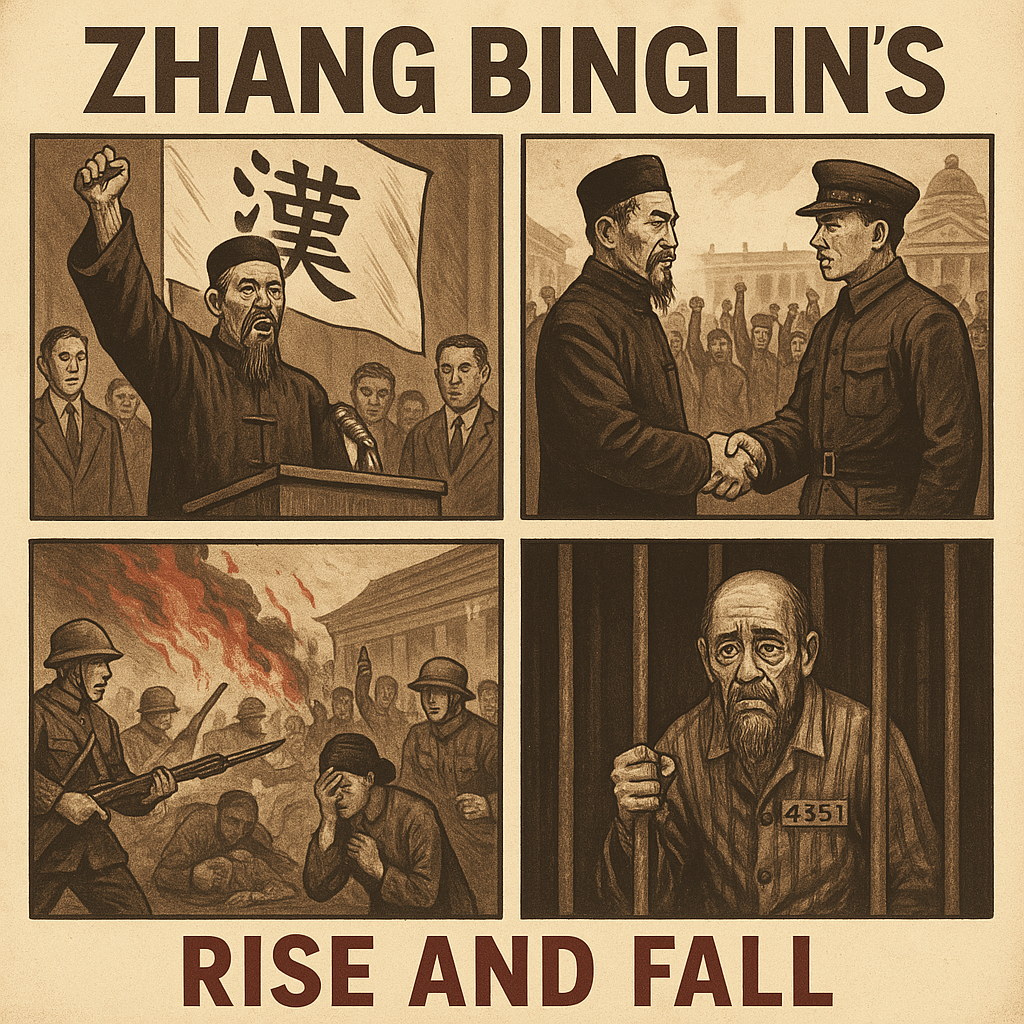
Zhang Binglin: Architect of Ethnic Nationalism, Prophet of Collapse
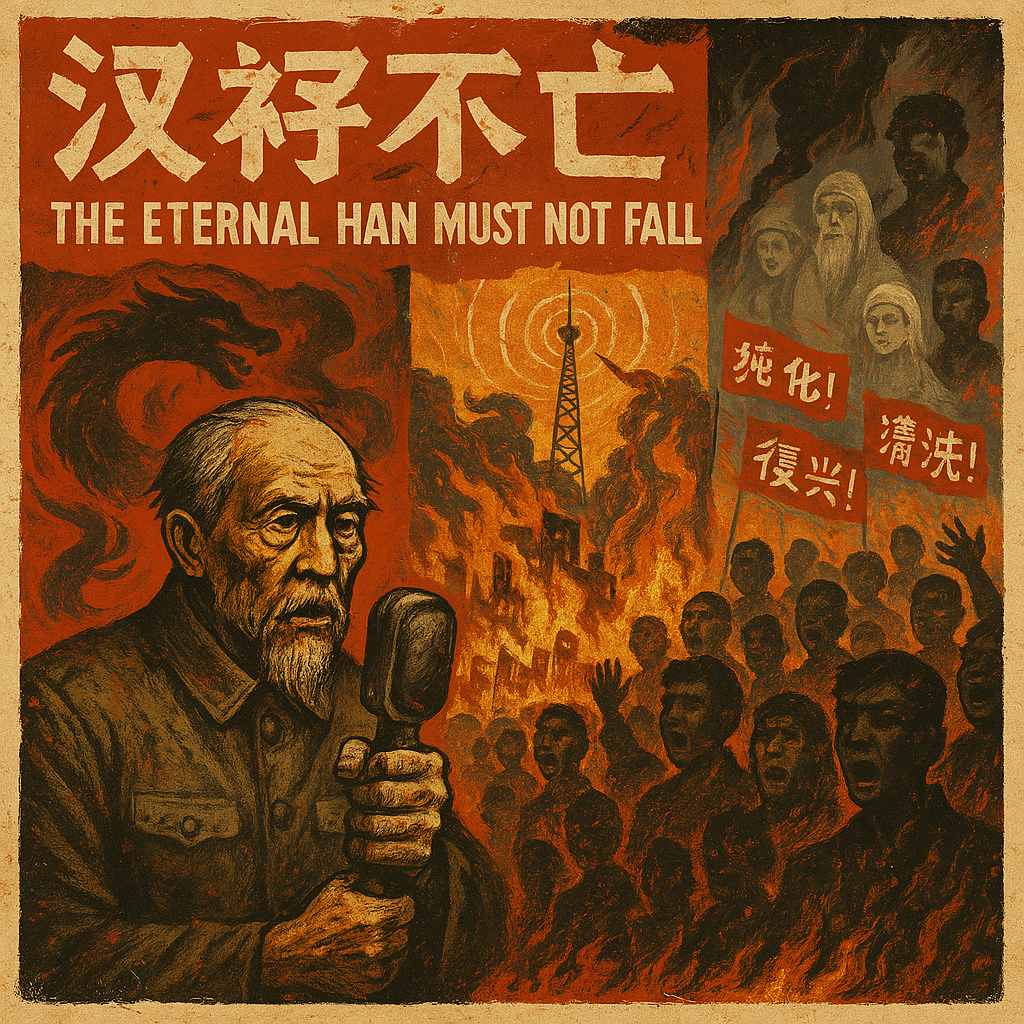
Zhang Binglin’s 1937 Podcast Speech After the Fall of Nanjing: A Huang-Hanist’s Last Stand
Part II: “Beneath the Flag: Lives Lived and Lost in the Huanghan Era”
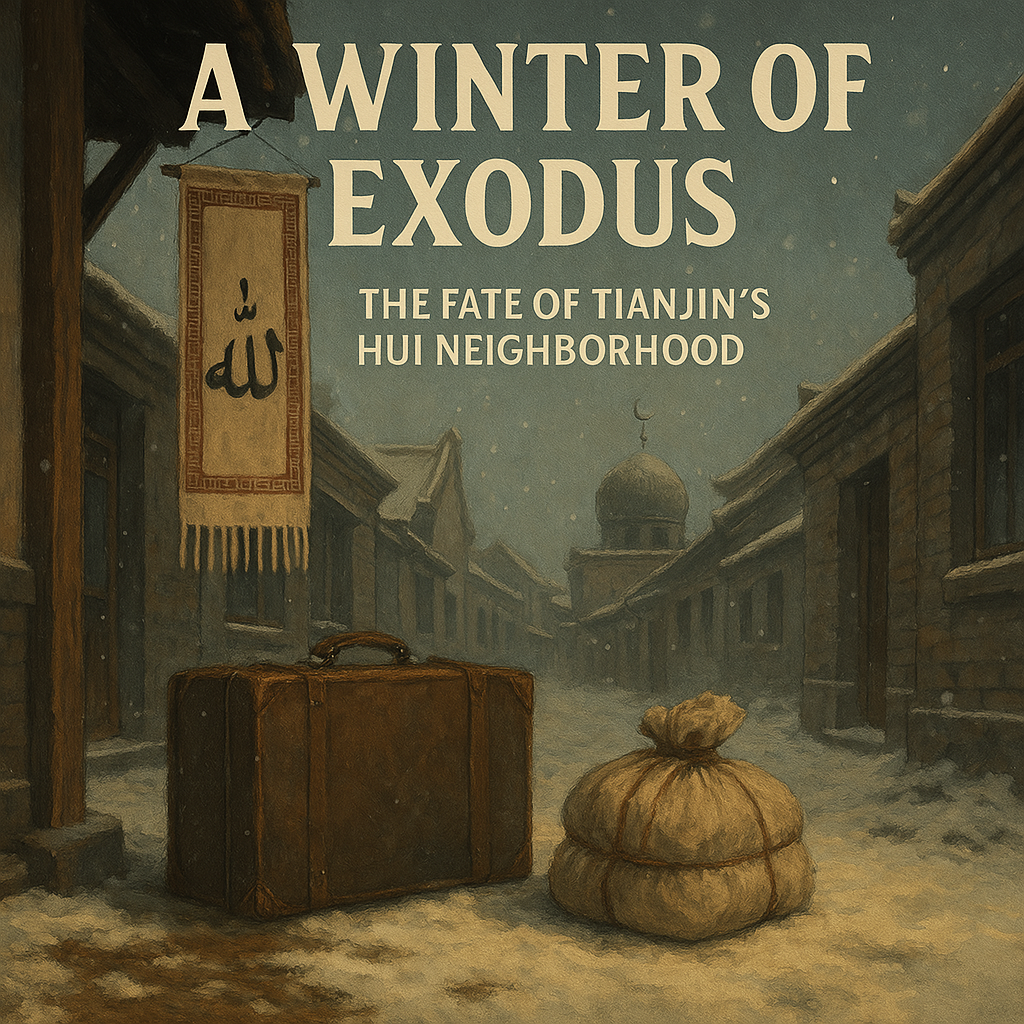
Winter 1913: The Displacement of Tianjin’s Hui Quarter
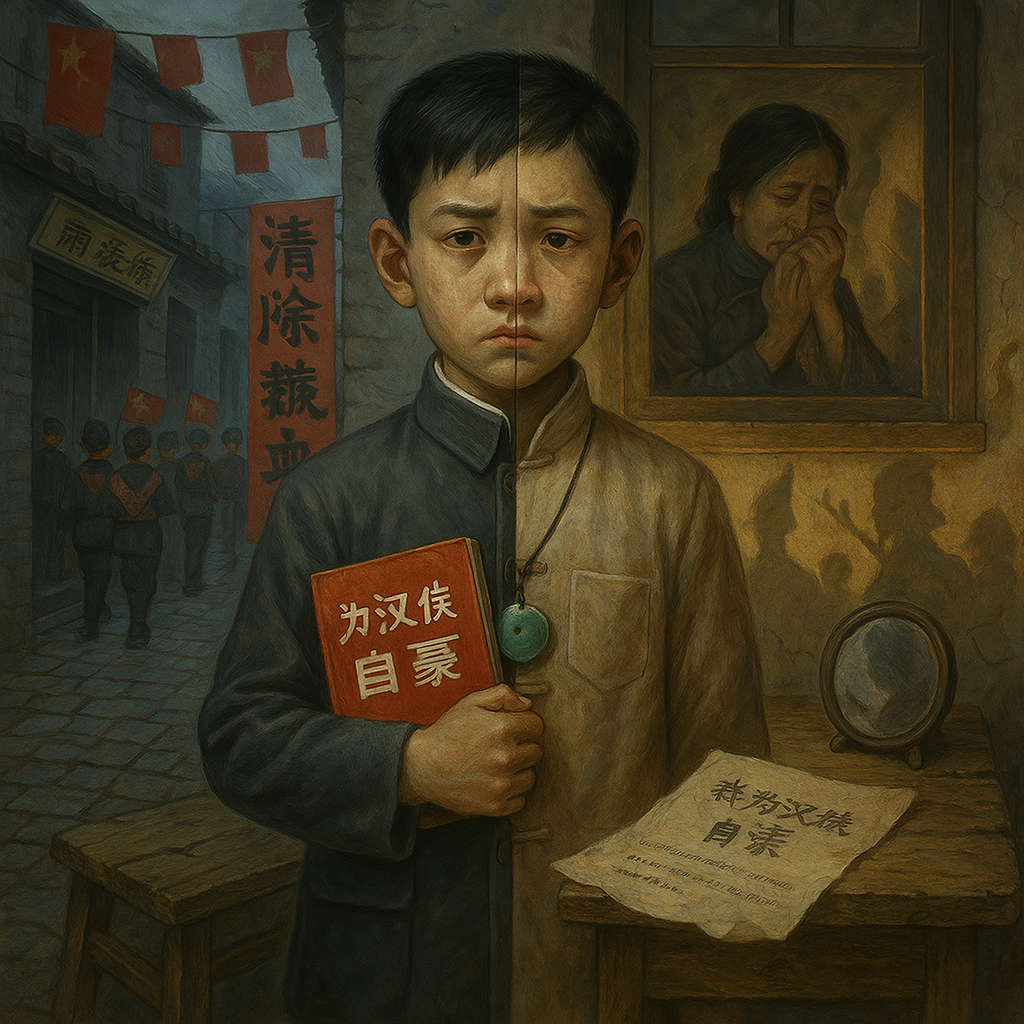
Half of Me in Hiding: A Boy Between Bloodlines
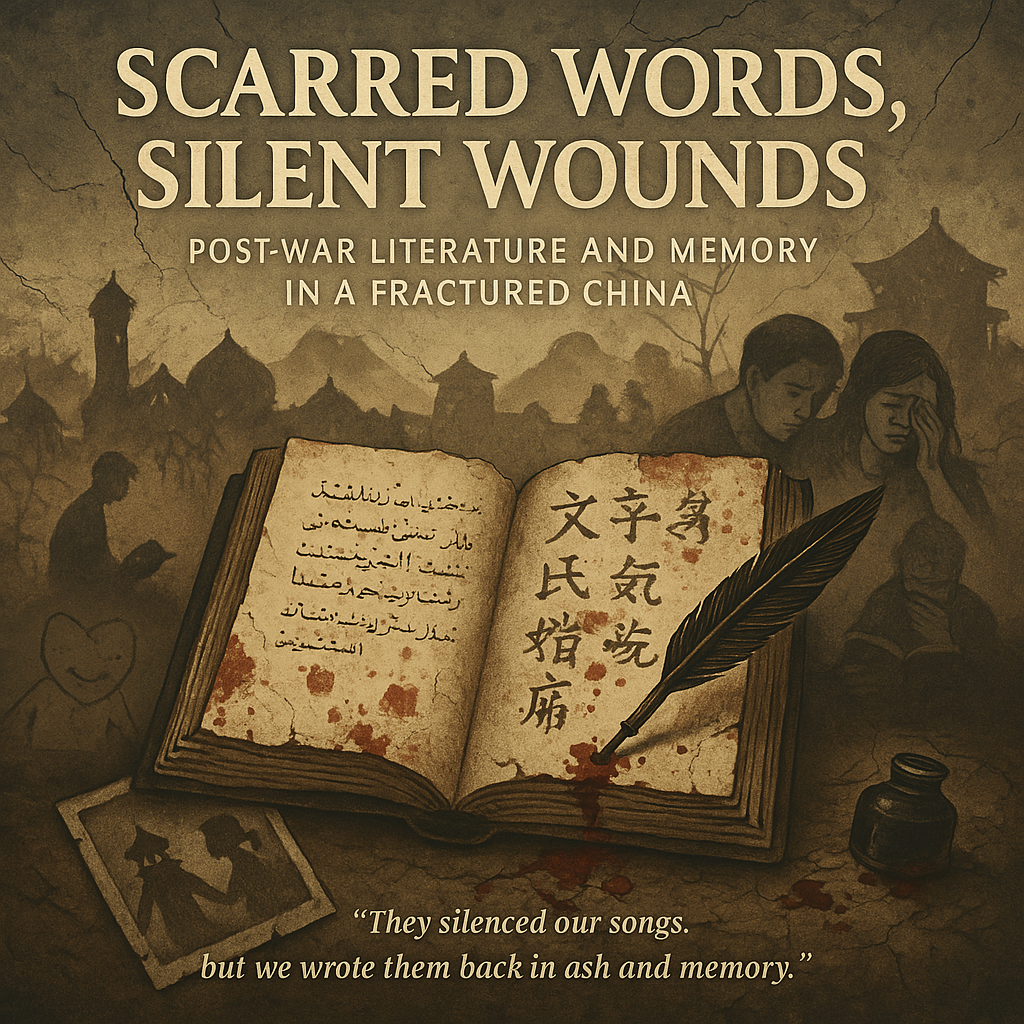
Scarred Words, Silent Wounds: Post-War Literature and Memory in a Fractured China
1930s in Huang-Han China: The March Toward Consolidation and Collapse
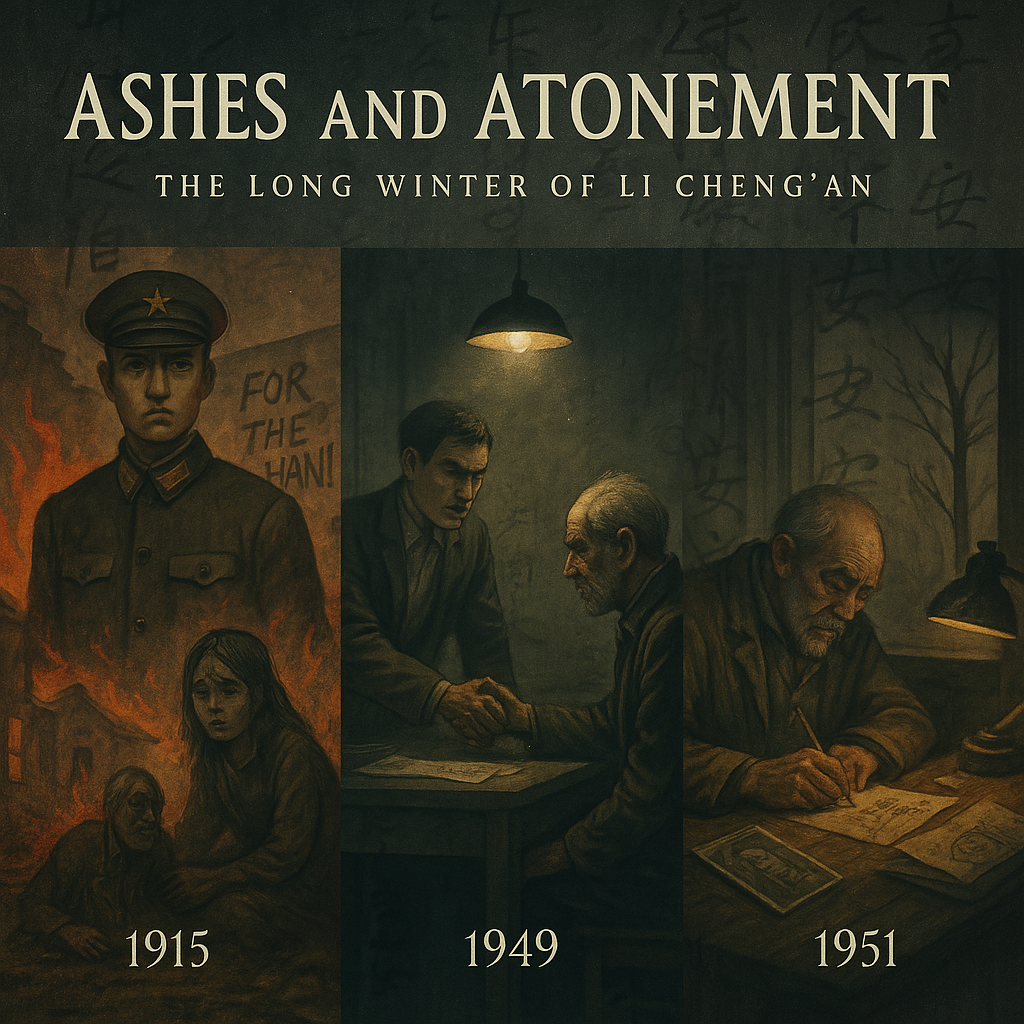
Ashes and Atonement: The Long Winter of Li Cheng’an(1915-1951)
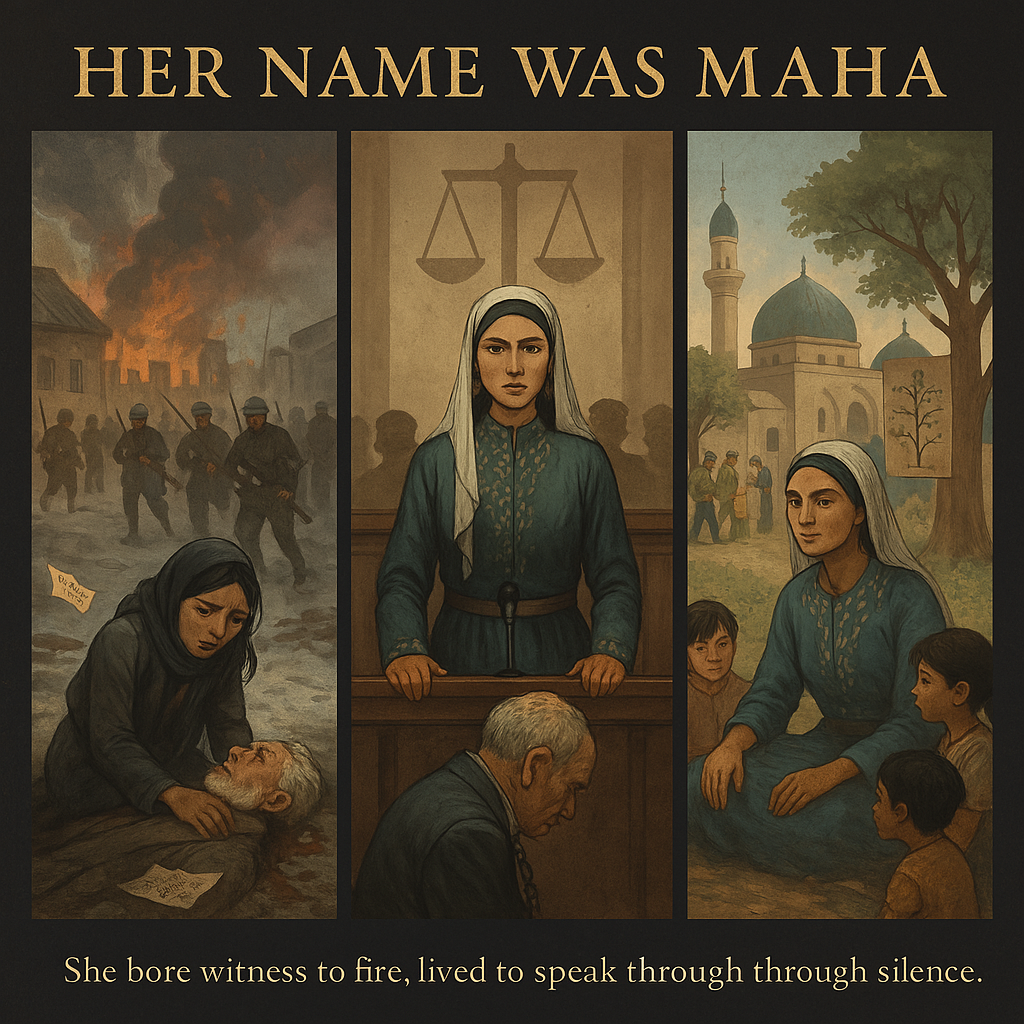
Her Name Was Maha: Memory, Survival, Justice(1915-1951)
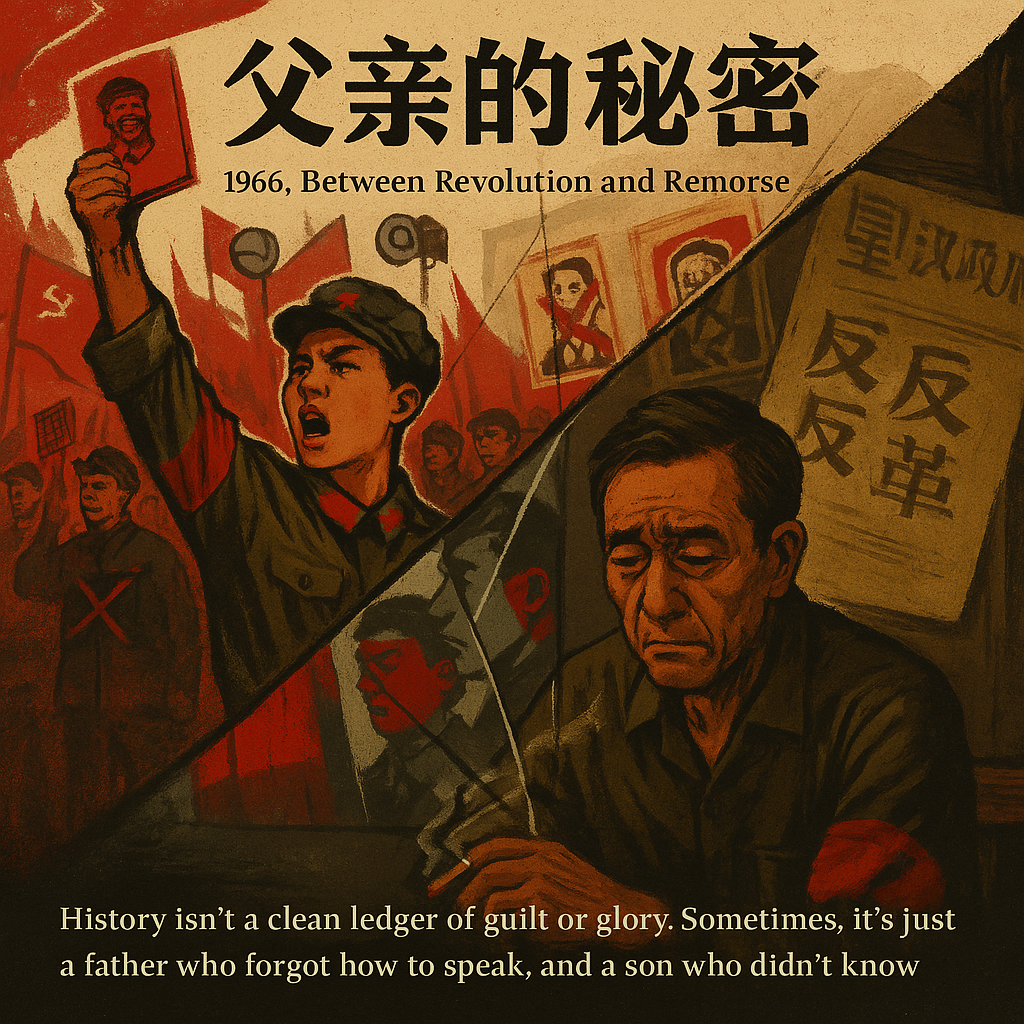
Father’s Secret: 1966, Between Revolution and Remorse
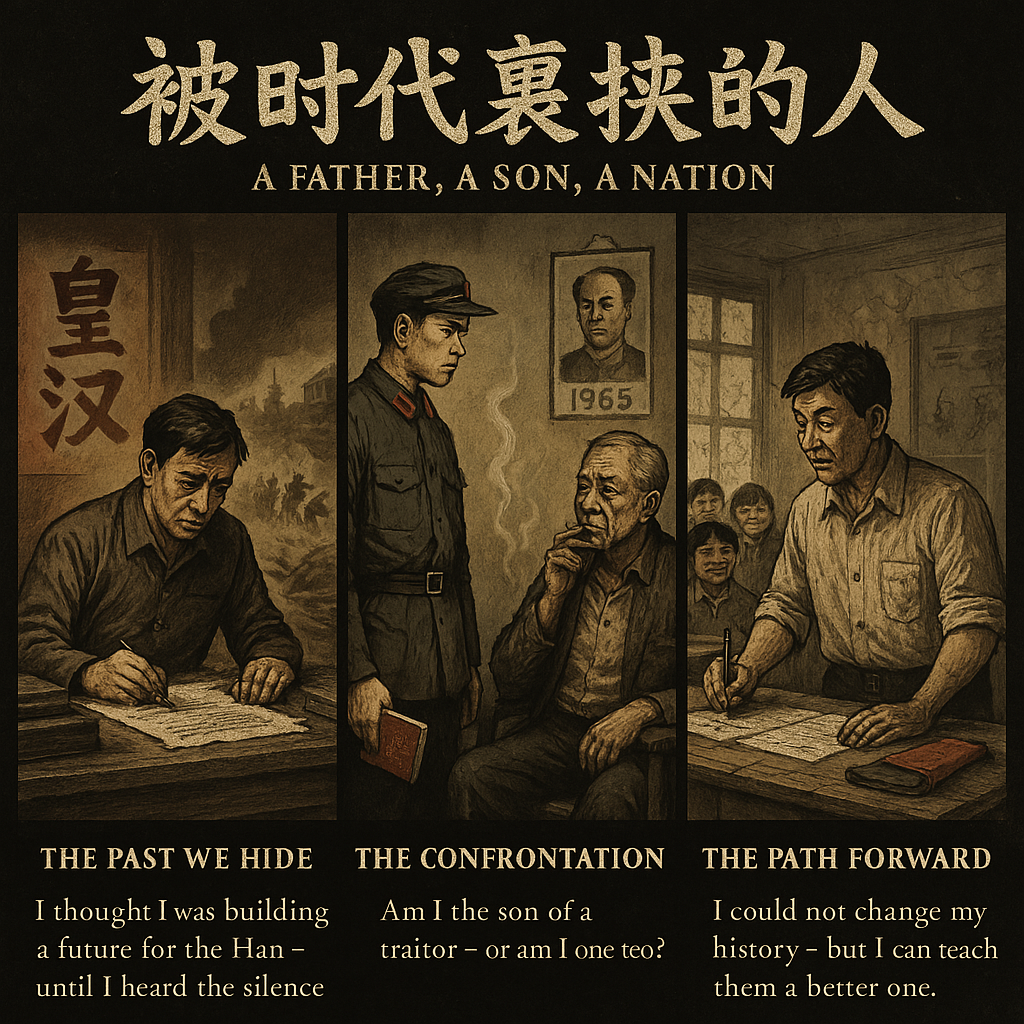
 What If: The Archive